


In a study conducted by Michaela Barnett, Leidy Klotz, Patrick I. Hancock, and Shahzeen Attari, which focused on waste behavior, sustainability, engineering design, and decision-making,...
Author archive for: frncscvnyb

From Captured Carbon to Drinks: Let’s See How It’s Done So Far
Good old carbon dioxide. Plants need it, we need it, the beverage industry needs it, but our planet is getting too much of it. Take...
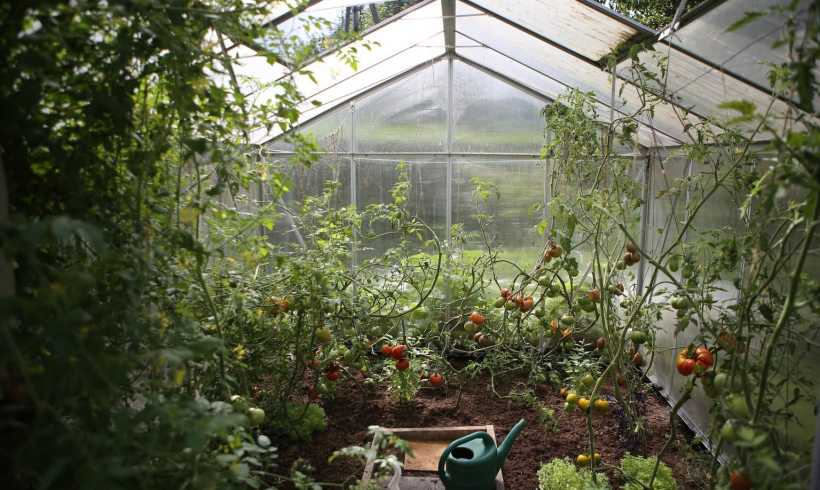
Study Finds That Fruit and Veggie Production at Home is Healthier with Less Waste
Growing our own food is a neat idea: it’s quite self-reliant and it teaches us to consume what’s available around us, and/or share when food...
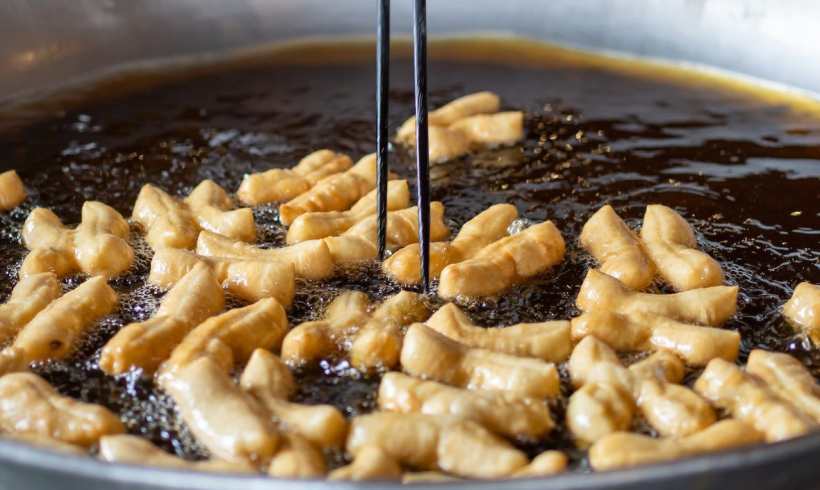
Used Cooking Oil? Fuel? – How Some Initiatives Turn Cooking Oil Waste Into Power
As a regular person, I still have my own concerns when it comes to cooking oil. I mean, despite disposing of them in ways which...

Scientists Have Begun Conserving Coral by Slicing and Freezing It
Researchers have done something groundbreaking. They froze pieces of grown-up coral and then brought them back to life using a special method involving antifreeze and...

At-Home Animal Refuge: Meet the Women Who Rehabilitate Wildlife at Home
Those who live in the city or near animal habitat sometimes get heartbroken to see urban wildlife lose in the usual, constant conflict between humans...

Systematic Survey Finds Nuclear Power Has Minimal Impact on the Environment
When it comes to providing a solution for the current climate issue, our environment deserves to get some attention, as there’s a deep connection between...

Brewing Strong Concrete: Managing Coffee Waste by Blending It with Concrete
You know what they say at the gym, “coffee can make us stronger.” Well, guess what. Coffee doesn’t make only humans stronger; it does the...

Is This a Superplant? A GMO Houseplant Cleans Air 30 Times Better
Some of us have become plant parents because we know that, aside from making our houses look prettier, some houseplants can also work to purify...
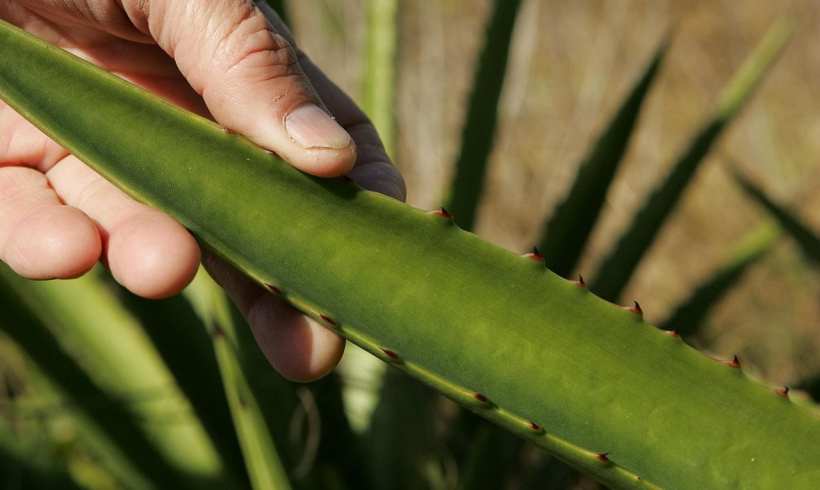
Research Says Aloe Vera Peels Can be a Natural Pesticide
Aloe vera plant peels, typically discarded as agricultural waste, have been discovered by scientists to have insect-repelling properties. Meaning that they can serve as a...