


Cyperus rotundus, also known as nutgrass or purple nutsedge, is a plant found in many parts of the world. Although many people see it as a weed because it grows quickly and can be hard to get rid of, this plant has some interesting ecological benefits.
It is considered one of the world’s worst weeds due to how it spreads, but it also has positive effects on the environment, soil, and even human health.
Let’s learn more about Cyperus rotundus or nutgrass and explore its ecological and medicinal benefits.
What is Nutgrass?
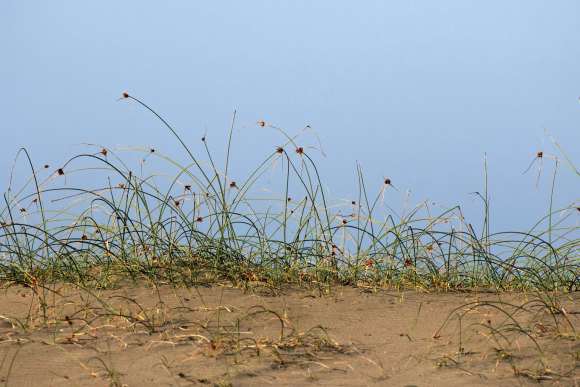
Nutgrass is a perennial plant, which means it lives for more than one year. It belongs to the sedge family, which includes grass-like plants that usually grow in wet or dry areas. The plant has thin, green leaves that grow upright and can reach about 40 centimeters (16 inches) in height.
The roots of Nutgrass are what make it special. It grows underground tubers, which are small, round, nut-like structures that give the plant its common name, nutgrass.
One of the reasons why Nutgrass is considered a difficult weed is because of how fast and widely it spreads. The tubers help the plant grow quickly and can produce new plants from underground.
Even if you pull out the above-ground part of the plant, the underground tubers can survive and grow again. This makes it hard to remove from gardens, farms, and lawns.
Despite its bad reputation as a weed, Nutgrass has some interesting ecological benefits, especially for the soil and environment.
Soil Health and Improvement
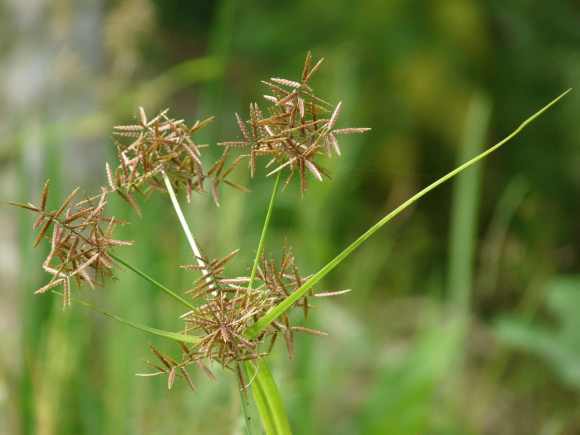
One of the ecological benefits of Nutgrass is its ability to improve soil health. The plant’s long and deep roots help break up compacted soil. This allows water and air to reach deeper layers of the soil, which is important for the health of other plants.
When soil is compacted, it becomes hard for water to penetrate, and this can lead to problems like erosion and poor plant growth. By loosening the soil, Nutgrass helps improve water flow and soil structure.
The underground tubers of Nutgrass also store nutrients, which can help enrich the soil when the plant decomposes. As the plant grows and dies, it adds organic matter to the soil, which helps other plants grow better.
This is especially important in areas where the soil is poor or lacks nutrients. Nutgrass may not be the plant that farmers or gardeners want to see, but it can play a role in improving soil quality in the long term.
Additionally, Nutgrass is often found in disturbed or degraded lands, such as abandoned fields or areas affected by erosion. Its ability to grow in tough conditions means that it can help stabilize the soil and prevent further erosion. This makes it useful in controlling soil loss in areas where other plants struggle to grow.
Nutgrass and Water Conservation
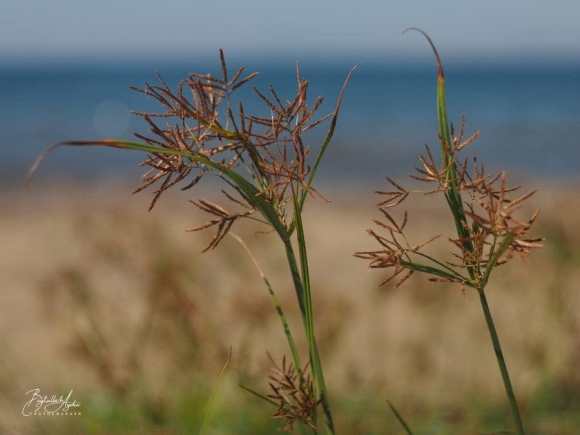
Nutgrass is a hardy plant that can survive in both dry and wet conditions. One of its ecological benefits is its ability to thrive in areas where water is limited. The plant’s deep roots allow it to find water underground, even during dry periods.
This makes it drought-tolerant, meaning it can survive with very little water. By surviving in dry conditions, Nutgrass helps prevent soil from drying out and becoming barren.
In areas where other plants die due to a lack of water, Nutgrass can continue growing, helping to maintain some green cover on the land. This green cover is important for protecting the soil from the direct impact of the sun, which can dry it out further.
By keeping the soil covered, the plant helps conserve moisture and prevent the land from becoming desert-like. Because Nutgrass grows well in both wet and dry conditions, it is often found in wetlands, ditches, and areas near water bodies.
In these areas, it can help stabilize the soil and reduce water runoff. Water runoff happens when water flows over the surface of the land and carries soil with it. By reducing runoff, Nutgrass helps prevent soil erosion and keeps the land healthy.
Supporting Biodiversity
Although Nutgrass is often seen as a weed, it can play a role in supporting local biodiversity. The plant provides food and shelter for a variety of insects and small animals. For example, the flowers of Nutgrass attract pollinators like bees and butterflies.
These insects are important for the pollination of many crops and plants. By providing a source of nectar, Nutgrass helps support pollinator populations, which are important for maintaining healthy ecosystems.
The plant also creates a habitat for other organisms. The dense roots and underground tubers can provide shelter for small animals, insects, and microorganisms that live in the soil.
These organisms help keep the soil healthy by breaking down organic matter and improving nutrient cycling. By supporting these creatures, Nutgrass helps maintain a balanced ecosystem, even in areas where it may be considered a weed.
Nutgrass can also help control some pests. Its thick, spreading growth can outcompete other invasive plants that may be harmful to crops or native species. This helps prevent the spread of more damaging weeds and contributes to the overall health of the ecosystem.
Medicinal Uses and Human Benefits
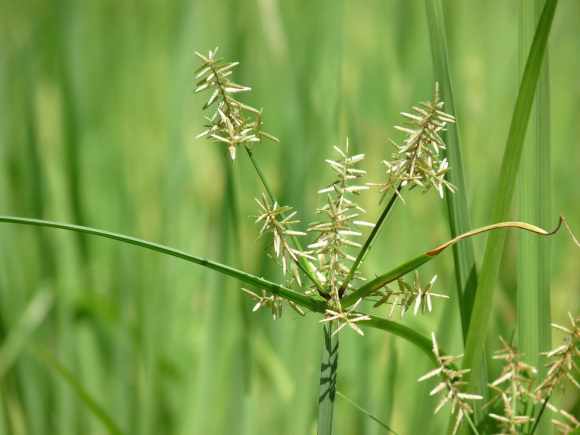
Nutgrass is not only beneficial to the environment—it has also been used in traditional medicine for thousands of years. In many cultures, the tubers of Nutgrass are used to make herbal remedies. These remedies are believed to help treat a variety of health problems, including digestive issues, inflammation, and pain.
In traditional Chinese medicine and Ayurveda (a traditional Indian medicine system), Nutgrass is used to regulate the digestive system, reduce fever, and relieve stress.
The plant contains natural compounds like flavonoids, alkaloids, and essential oils, which are believed to have anti-inflammatory and antioxidant properties. These properties help protect the body from damage caused by harmful molecules called free radicals.
Modern research is also looking at the potential health benefits of Nutgrass. Some studies suggest that the plant may have antibacterial and antifungal effects, which means it could help fight infections. While more research is needed to fully understand the plant’s medicinal properties, it has a long history of being used in traditional medicine.
Sources:
Leave a Reply