

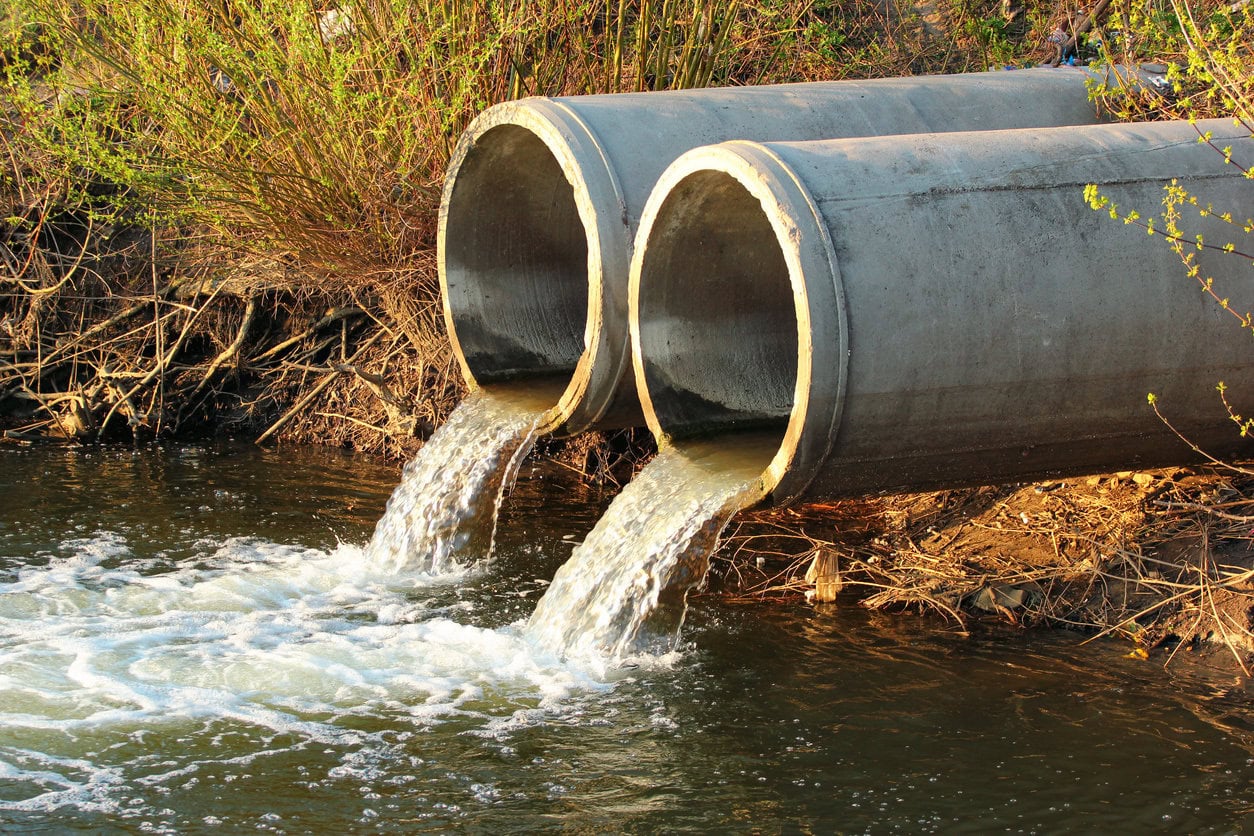
Hydrogen sulfide (H2S) is a noxious gas commonly found in wastewater due to the breakdown of organic materials by bacteria under anaerobic conditions. Not only is the gas malodorous, but it also smells like a rotten egg and is toxic and corrosive, posing significant risks to both human health and the integrity of wastewater infrastructure. Efficient removal of hydrogen sulfide is therefore critical in wastewater treatment processes to ensure safety, compliance with environmental regulations, and the longevity of infrastructure.
Read on to learn the best practices for hydrogen sulfide removal in wastewater.
Importance Of Effective H2S Removal
Effective removal of hydrogen sulfide concentrations is not just a regulatory requirement; it significantly impacts the operational efficiency and maintenance costs of wastewater treatment facilities. H2S is particularly known for its corrosive properties, capable of damaging pipes, and equipment, which can lead to costly repairs and downtime. Additionally, the presence of H2S can compromise the safety of plant personnel due to its toxic nature.
Technologies designed to address these challenges, such as the h2s removal system, are vital components in modern wastewater treatment facilities. By implementing advanced solutions, companies can ensure that treatment processes are both efficient and compliant with environmental standards.

Technologies For Hydrogen Sulfide Removal
There are several technologies and methods available for the removal of high hydrogen sulfide levels in wastewater treatment systems, each with its own advantages and suitability depending on the specific needs of the facility. To learn more about these innovations, one may consult reliable providers like MV Technologies for more valuable insights and ideas.
On the other hand, below are some common technologies used for hydrogen sulfide removal:
Chemical Scrubbing
Chemical scrubbing is a widely adopted treatment option for hydrogen sulfide removal in wastewater treatment facilities, especially when dealing with high concentrations of H2S. This process utilizes reactive chemicals that interact with hydrogen sulfide to form harmless or less harmful compounds. The most common chemicals in this process include chlorine, which oxidizes H2S into sulfuric acid; hydrogen peroxide, which breaks it down into water and sulfur; and iron salts, which precipitate it into insoluble iron sulfides.
Despite its effectiveness and reliability, chemical scrubbing requires careful handling and storage of hazardous chemicals, adherence to strict safety protocols. It can be associated with high operational costs due to the need for regular chemical replenishment and waste management.

Biological Treatment
Biological treatment methods offer a sustainable and cost-effective approach to hydrogen sulfide control and removal, particularly suited for treating low to moderate concentrations of H2S in wastewater. These methods rely on specific microorganisms that can oxidize hydrogen sulfide into less harmful compounds like sulfate or elemental sulfur.
The main technologies used in biological treatment include biofilters, biotrickling filters, and bioscrubbers. Biofilters employ organic media and support the growth of naturally occurring bacteria, while biotrickling filters use synthetic media and continuously recirculate a nutrient-rich solution to maintain microbial activity.
Bio scrubbers combine the features of biofilters and scrubbers, enhancing the oxidation process. For optimal performance, these biological systems require controlled conditions such as proper moisture content, a balanced nutrient supply, and stable pH levels. Additionally, they’re environmentally friendly, reducing the reliance on chemicals and minimizing secondary pollution.
Activated Carbon Adsorption
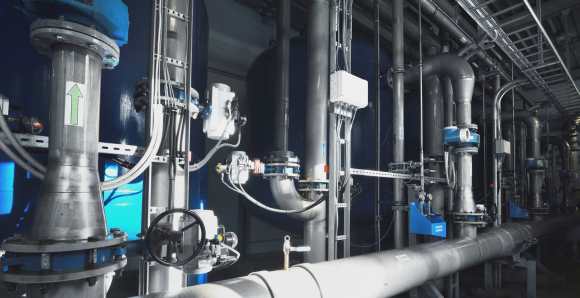
Activated carbon adsorption serves as a highly efficient treatment option for removing high hydrogen sulfide levels, especially in scenarios where space constraints exist, and H2S levels are relatively low. This method relies on the porous nature of activated carbon, which traps H2S molecules through physical adsorption and minor chemical reactions on the surface of the carbon.
While it effectively purifies air or water streams by removing odorous and toxic H2S, the activated carbon requires routine maintenance through replacement or regeneration. This necessity arises from the carbon’s tendency to become saturated with adsorbed materials over time.
Consequently, while the system is compact and less complex, it’s best suited for smaller-scale or temporary applications where long-term sustainability and cost might be prohibitive for larger scale operations.
Membrane Separation
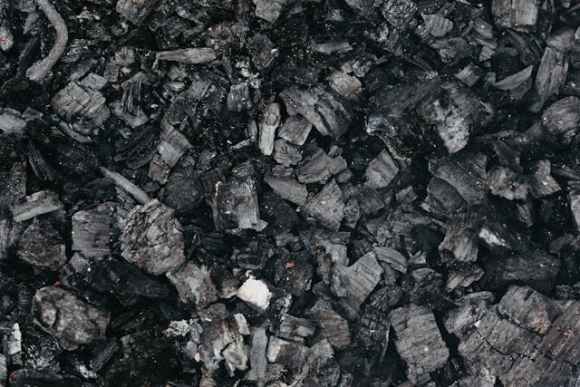
Membrane separation technology represents a cutting-edge solution in wastewater systems’ arsenal against hydrogen sulfide gas. Utilizing semi-permeable membranes, this method physically separates H2S from other gases present in the stream. The effectiveness of membrane technology lies in its precision and adaptability; it can be engineered to accommodate various gas volumes and H2S concentrations, ensuring a flexible application across different industrial scenarios.
Despite its high efficiency and effectiveness, the technology comes with considerations of higher initial setup and ongoing maintenance costs. These factors can make it a significant investment, and thus, it may be more appropriate for operations where the benefits of high purity and system integrity outweigh the initial expenditure.
Operational Considerations To Remember
When selecting a hydrogen sulfide gas removal strategy, several operational factors need to be considered to ensure the effectiveness and efficiency of the treatment process. These include:
Cost-Efficiency
Different H2S removal methods exhibit varied operational and maintenance costs, impacting overall financial planning. Comprehensive economic evaluations are crucial and should account for long-term expenses related to consumables, energy consumption, and maintenance needs. Balancing upfront costs with ongoing expenditures is essential for selecting the most cost-effective solution.
Safety And Compliance
Ensuring the safety of wastewater treatment operations involves selecting technologies that meet and exceed safety standards. Effective systems must maintain H2S levels well below the thresholds set by occupational health and environmental regulations to protect worker health and avoid legal penalties.
Infrastructure Compatibility
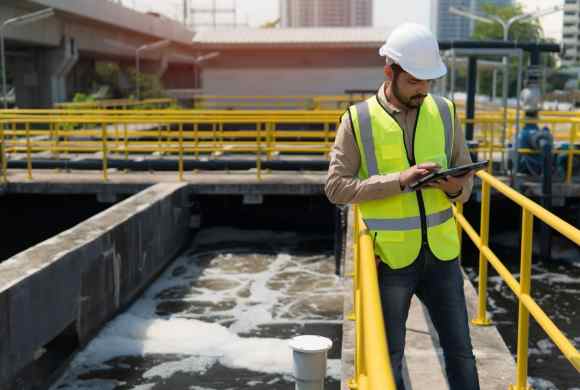
Integrating new H2S removal technologies often requires significant changes to existing infrastructure. These modifications can introduce complexity and additional costs to project implementation. Therefore, it’s important to assess the compatibility of new systems with current facilities to ensure smooth integration and cost-effective upgrades.
Concentration And Volume
The selection of an appropriate H2S removal technology largely depends on the specific concentration and total volume of hydrogen sulfide present in the wastewater. Some technologies vary in capacity and efficiency at different levels, requiring a tailored approach to meet the unique demands of each treatment facility.

Final Thoughts
Removing extreme hydrogen sulfide levels from wastewater is a critical task that requires careful consideration of various technologies and operational strategies. By selecting the appropriate removal method, as presented above, facilities can comply with environmental regulations , enhance worker safety, and prolong the lifespan of their infrastructure.
With the development of innovative technologies and the availability of specialized systems, effective management of hydrogen sulfide concentrations is more achievable than ever.
Leave a Reply