


Brands are increasingly adopting sustainable practices, acknowledging that eco-friendly initiatives are not merely trends but essential to evolving business operations. In the current world where environmentally conscious consumers are on the rise, firms that adopt sustainable practices are likely to establish credibility, customer loyalty, and good image. This article aims to explore integrating sustainable marketing strategies and provides guidance on implementation.
Importance of Green Initiatives within Industries
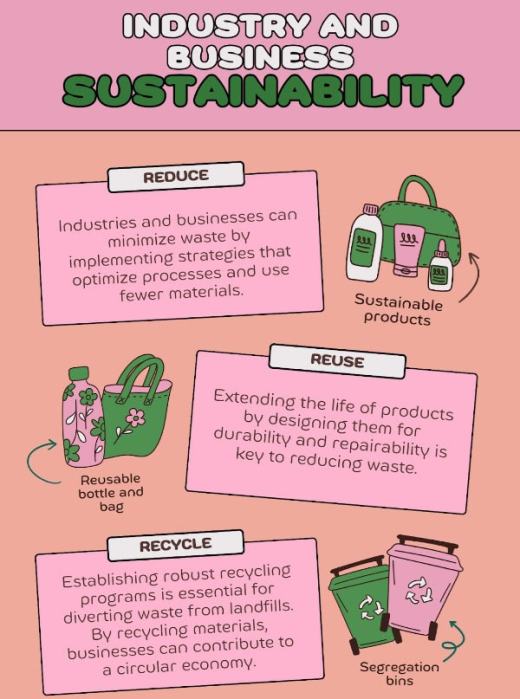
Environmental activities should be embraced by every organization since they assist in shedding off environmental effects and embracing sustainable development. Environmental sustainability in business entails managing resources to minimize waste and conserve the environment. This benefits not only the environment but also enhances the brand’s image, as consumers and investors interested in sustainable products are more likely to support the brand.
For example, the adoption of green initiatives in the biological sector can enhance the brand and market value of a firm extremely. Rising biotech marketing companies design their marketing strategies in a way that makes them stand out by being environmentally conscious. Therefore, these companies stand to benefit from increased engagement with stakeholders through implementing environmentally friendly measures.

Understanding Eco-Friendly Marketing
Green marketing encompasses the promotion of sustainable products and sustainable practices that will help protect the environment. This approach extends beyond product sales to encompass its use, disposal, and affirms the company’s commitment to green production.
- Improving Brand Image and Perception
Additionally, integrating sustainable practices can significantly enhance a brand’s image. Consumers are becoming more sensitive to the environment, and they prefer products from companies that are environmentally friendly. This is because by supporting sustainable production and consumption, customers can be retained in support of your brand.
- Increased Customer Loyalty
There is also evidence that consumers are likely to remain loyal to brands that embrace their values. When you incorporate sustainability, customers realize you are not just in it for the bucks, but for the greater good too and this makes a positive connection.

- Cost Savings
Although going green takes a significant amount of cash, it is generally true that sustainable practices are cheaper in the long run. Green practices such as using power sparingly, minimizing waste, and sourcing environmentally friendly products and services can be cost-effective in the long run.
- Regulatory Compliance
First, governments across the globe are increasingly setting higher standards for environmental compliance. This means that by incorporating eco-friendly practices in your brand from the onset, you are not caught up by these regulations and might be liable to fines or some sort of sanction.
Implementing Eco-Friendly Marketing Practices
Implementing eco-friendly marketing strategies requires extensive research and preparation. It also spans many facets of the business to ensure a holistic approach to sustainability. Below are some of the marketing practices that contribute to a good campaign promoting sustainability.
- Sustainable Product Design
First, you should therefore evaluate the eco-friendliness of your products. Implement environmentally friendly materials, minimize the use of containers, and come up with products that can be recycled. Highlight these efforts in your marketing campaigns to inform environmentally conscious consumers and attract them to your products.
- Transparent Communication
In environmental marketing, therefore, it is important to remain transparent. Be transparent about your sustainability activities and the change they bring. Do not be involved in greenwashing which is a process of giving a false or misleading impression of your company being environmentally friendly as it is self-defeating.
- Eco-Friendly Packaging
Embrace environmentally sustainable packaging by using packaging materials that are biodegradable or recyclable. Lean heavily on the virtues of your packaging when sending out your promotional messages to your clientele.

- Digital Marketing Over Print
Move from printed material to electronic material in advertising as a way of minimizing the use of paper. For the target market, you should consider using social media, email marketing, and online advertising. Digital marketing not only makes it possible to minimize your effects on the environment but also enables you to implement your marketing strategies effectively.
- Partner with Sustainable Organizations
Engage with organizations that are focused on sustainable practices. Cooperation with other green-oriented companies as well as non-governmental organizations will help to strengthen the company’s reputation and increase its popularity. You can also leverage these causes to increase your outreach as well as associate your brand with something positive.
- Eco-Friendly Events and Sponsorships
Organize or co-sponsor events to spread the message of sustainability. Such activities can be as diverse as cleaning up the environment, to presenting new green products. With such initiatives, you show the community how much your brand cares for the environment while involving them in noble causes.
- Promote Consumer Responsibility
Remind your customers about sustainability and make them understand that they need to change their ways in society. This can involve providing people with encouragement to recycle, suggesting ways on how they can save on their waste or actually encouraging the use of reusable products.
- Sustainable Supply Chain Management
Make sure that all your supply chain associates follow sustainable processes. Make sure you perform an audit from time to time and ensure that you engage your suppliers in environmental conservation. This not only supports your brand identity as environmentally friendly but it also encourages change within the industry.
Overcoming Challenges in Eco-Friendly Marketing
The use of environmentally friendly marketing practices has its challenges. These can include higher initial costs, risk of stakeholder resistance, and, the difficulties involved in making measurable and reportable the effect of sustainable projects. Although, such challenges can be managed in various ways, especially through strategic planning, effective communication, and commitment to sustainable development.
- Cost Management
Sustainable practices may cost more today but the savings that accompany them will be reaped in the future. Ways to control operational costs include energy efficiency, waste conservation, and sustainable purchasing.

- Stakeholder Engagement
Seek the approval of stakeholders and involve them in the decision-making process. This includes employees, suppliers, and investors. Explain how the goal of sustainability is relevant for the long-term perspective and why it is important for the corporate culture of the company.
- Impact Measurement
Introduce key performance indicators (KPIs) that will enable tracking the effects of your sustainability programs. This may involve monitoring cuts in carbon dioxide emissions, waste, and energy usage. Here are the metrics you should use to report your progress while proving the value of the strategies you are implementing.
- Avoiding Greenwashing
Make sure that your sustainability claims are matched by actual sustainable practices. Some of the things you should not do include making exaggerated or false statements to the public; this is known as greenwashing and it could harm your brand. Employ integrity when dealing with the audience in order to gain their trust.
FAQs
- What is greenwashing and how can it be prevented?
Greenwashing refers to situations where some firms make many claims of being more environmentally conscious than they actually are. It can be avoided by making sure that all the claims of sustainability are supported by concrete measures and using proper communication.
- In what ways can small businesses adopt sustainable marketing strategies when there are poor finances?
Small-scale businesses can start by developing sustainable solutions by gradually implementing changes: from choosing digital marketing instead of print advertising, utilizing environment-friendly packaging, and engaging with local sustainable organizations. These steps may then cumulatively create the basis for more encompassing environmental management programs.
- What are the strategic advantages of sustainable marketing communication?
Long-term advantages of green supply chain management include the following: strong and positive brand image, loyal customers, reduced cost, and compliance with guidelines before they become mandatory. Furthermore, it helps to place the brand as a market leader in terms of sustainability, which may appeal to consumers and investors who are more conservation-focused.
Conclusion

Green advertising isn’t a fleeting trend but a strategic business move that can lead to tangible improvements in brand recognition, customer acquisition, and sustainability. Sustainability strategies, open and honest messaging, and appealing to the environmentally conscious consumer can, therefore, lead your brand to good stewardship of the environment, and corporate success. While sustainability is a process that takes time, its benefits extend beyond your brand to include society and the environment.
Leave a Reply