


The budget is the core of business strategies. Put simply, a well-tailored budget ensures not only the maintenance of financial health but also channels resources for promoting growth and sustainability in an efficient manner. In today’s advanced business trend, eco-consciousness has to go in line with one’s budget to have a competitive advantage and harness success.
Here we are giving ways to optimize business budgets and efficient practices in greener sustainable ways. We will take a look at how to manage a business budget and tips for using financial tools, such as a no-fee checking account, wisely. Now let’s get into the strategies and steps for success in budget optimization.
Budget and Managing
Correct budget management is the backbone of running a business effectively and guides financial stability and growth. It involves tracking revenues and expenditures, setting financial goals, and making informed decisions regarding the use of limited resources. Reducing the allocation of resources wisely is one of the very most significant capabilities in managing a company budget.
A no fee checking account can really help you maintain control of your budget. These accounts reduce costs associated with banking — which can really add up over time — and optimize cash levels, providing absolutely unrestrained access to your own money without the weight of those extra fees. They would be really helpful, especially for the small and medium-sized businesses that have to keep a steady cash flow within their projects alive.

Track and Analyze Expenses
This is one of the business’s biggest budgets; that way, it allows tracking of every money flow that goes out to be categorized in terms of expenditure for analysis of necessity and level of impact on the business. Alternatively, implement the use of accounting software or financial management tools to record and monitor real-time expenditures.
Some areas where costs can be incurred, therefore, are areas where costs can be reduced or saved. For instance, carrying out online marketing can save some costs in doing the advertising, which also contributes to a positive environmental concern. More importantly, through the analysis, some patterns can be shown that will catch your attention, which can be used for decisions made in the future.

Set Clear Financial Goals
Clear, achievable financial goals should form the foundation of any attempt at budget optimization. Of course, a SMART goal is one that is specific, measurable, attainable, relevant, and time-bound. Financial goals can, for example, focus on increasing revenues, decreasing operating costs, or investing in sustainable initiatives.
It is easier to ensure that you use resources sensibly and set priorities for what expenditures you make towards reaching long-term objectives if you have clear goals set. For example, one of the goals can be to become more energy-efficient; it is possible that money from the budget might be better spent on retrofitting or renewable energy sources.

Implement Cost-Saving Measures
One thing that is in order when it comes to the optimization of budgets is the implementation of some prudent cost-saving measures. These could be achieved through supplier negotiation for better terms, reduced wastage, and totally improved operational ways. At the same time, eco-friendly practices help to save costs while advancing sustainability.
For instance, one will observe that less energy is consumed by energy-saving appliances and lights, thereby reflecting a decrease in the utility bill. Starting a recycling program will reduce the costs of getting rid of waste and foster a green working environment. Less quantifiable but just as real are the savings available from telecommuting or remote work as office space and utilities are not required to the same extent.

Utilize Financial Tools and Resources
It leverages the use of financial tools and resources, making it easy to streamline the budget control system and more efficient in the process. Among such tools are to include no-fee checking accounts, accounting software, budgeting apps, and many others. The financial tracking becomes easy while decreasing costs with no fee checking. It saves businesses great money on banking fees and enough funds for other necessities.
In addition, financial planning and analysis tools allow one to make detailed budgets, forecast future financial performance, and make data-driven decisions. Such tools are of valuable aid, and able to give more usefulness for guiding the strategy put in place and making sure of the proper allocation of resources.
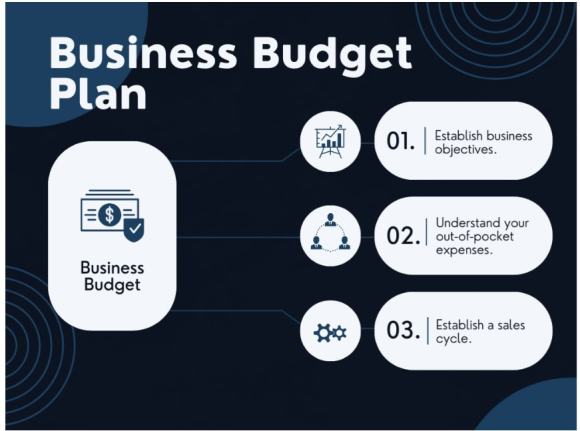
Green Budgeting Practices
Incorporating green budgeting practices into your financial strategy not only supports sustainability but can also lead to cost savings and improved efficiency. Green budgeting refers to financial decisions that consider environmental impacts and prioritize eco-friendly initiatives.
1. Invest in Energy Efficiency
This investment in energy-efficient technologies and practices is worthwhile, in fact, more as a way to minimize operational costs while minimizing undesirable impacts on the environment. It ranges from energy-saving devices and office equipment to the choice of energy-efficient lighting and heating and cooling systems.
Consider organizing an energy audit in order to identify areas where the organization can reduce energy use. Many of the recommendations from an energy audit quickly pay for themselves and contribute to this sustainable business operation.

2. Adopt Sustainable Supply Chain Practices
Optimizing your supply chain for sustainability can lead to cost reductions and improved environmental performance. Principally, this includes engaging suppliers whose practices are focused on minimizing eco-footprints, reducing transportation emissions, and trimming waste through a product’s lifecycle.
Businesses may, whenever available, source their materials and products from sustainable suppliers to reduce their carbon footprint and encourage new green industries. Additionally, logistics and transportation optimization might save fuel and reduce GHG emissions.

3. Implement Reduction Strategies For Waste
Reducing waste is a key component of green budgeting. This can involve implementing recycling programs, reducing paper usage, and minimizing packaging waste. By reducing waste, businesses can lower disposal costs and create a more sustainable operation.
Encourage employees to adopt paperless practices by using digital documents and communication tools. Additionally, consider reusing or repurposing materials whenever possible to minimize waste and reduce costs.

FAQs
How can a no-fee checking account benefit my business budget?
A no fee checking account can help cut down the expenses related to banking, thus leaving the same business with enough money for other important expenses. It helps in straightforward financial management by wiping out extra fees, which drags down the cash flow and makes budgeting easy.
What are some simple ways to incorporate green practices into my business budget?
Easy ways to practice this include spending on energy technologies, recycling programs, and reduced usage of papers, and materials from sustainable sources. These would assist in cutting costs and, at the same time, drive sustainability.
How can monitoring my expenses contribute to my budget management?
The tracking of expenditure is aimed at knowing where the money has been going, possibly identifying unnecessary expenses or areas where there needs to be improvement. It makes sure that financial planning is made appropriately, informed decisions are arrived at, and, on the other hand, resources are allocated adequately.
Leave a Reply