


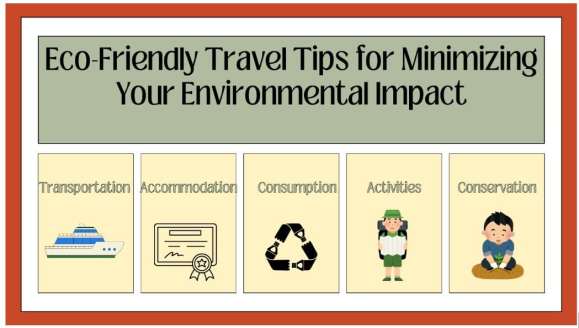
In a time when environmental awareness is more important than ever, more and more tourists are looking for eco-friendly ways of seeing the world. This guide offers various tactics to reduce the environmental impact of your travels, from choosing eco-friendly transportation to contributing to local communities.

Sustainable Transportation Choices
The biggest source of a traveler’s carbon impact is frequently their mode of transportation. Making careful choices will help you greatly lessen your influence on the environment.
Opt for Public Transport or Carpooling
Beyond the beneficial impact on the environment, using public transit has various other benefits. It lowers carbon emissions, eases traffic, and offers an affordable means of getting around cities. Public transportation also allows you to fully immerse yourself in the culture of the place you are going to, making for a more genuine travel experience.
Choose Eco-Friendly Vehicles
Choosing electric or hybrid vehicles offers benefits beyond reducing emissions. Over time, they provide reduced fuel expenses, quieter operation, and in certain urban areas, exclusive parking spaces designated for green vehicles. These benefits enhance your vacation experience’s overall sustainability in addition to helping to create a cleaner environment.
Reduce Air Travel Emissions
Although there are situations when air travel can’t be avoided, there are practical ways to reduce its negative environmental effects. Selecting airlines with strict environmental rules also helps cut emissions, as does investing in fuel-efficient aircraft and sustainable aviation fuels.
Did you know that fishing from a charter boat can be more environmentally friendly? To reduce their negative environmental effects, charter boat fishing is implementing sustainable methods. Explore eco-friendly fishing options in your area, whether you’re seeking a fishing charter boat or planning a local fishing trip.

Environmentally Responsible Accommodation
Where you choose to stay can have a significant impact on your travel footprint. Opting for eco-friendly accommodations not only reduces your environmental impact but also supports businesses that prioritize sustainability.
Stay at Eco-Certified Hotels
When making hotel reservations, choose businesses bearing reputable eco-certification labels such as EarthCheck, Green Key, and LEED (Leadership in Energy and Environmental Design). These certifications ensure that the hotel complies with strict environmental instructions, encouraging sustainability via water and energy conservation as well as ethical disposal of waste.
Support Local and Sustainable Lodging
Choosing locally owned and operated accommodations enhances your holiday experience and supports the local economy and environment. In general, these places have less of an impact on the environment than big business hotels.
Green Practices in Accommodation
There are easy steps you may take to reduce your environmental impact even when staying in traditional lodgings. Reusing sheets and towels during your stay saves electricity, water, and detergent. Recycling materials are disposed of properly when in-room programs are used.

Conscious Consumption on the Go
Minimize Plastic Use
Travelers can significantly reduce global plastic pollution by switching to reusable items. During moves, using reusable shopping bags, food containers, cutlery, and water bottles helps cut down on the amount of single-use plastics used.
Sustainable Dining Choices
The foods you eat while traveling can impact both the environment and your health. Buying organic and locally produced food not only helps local farmers but also reduces the transportation emissions that come with importing food. Your environmental impact can be further reduced by visiting eateries that practice composting, zero-waste efforts, and use local ingredients.

Engage in Eco-Friendly Activities
Choosing environmentally responsible activities can enhance your travel experience while minimizing your impact on local ecosystems.
Nature and Wildlife Tours
Choosing accredited eco-tour operators who emphasize conservation and education is crucial when traveling into natural areas. Seek out reputable certifications like Green Globe or Ecotourism Australia, which guarantee that operators follow ecologically and socially acceptable methods. Recall that to safeguard delicate ecosystems, you should keep safe distances from wildlife and stick to approved pathways.
Low-Impact Recreation
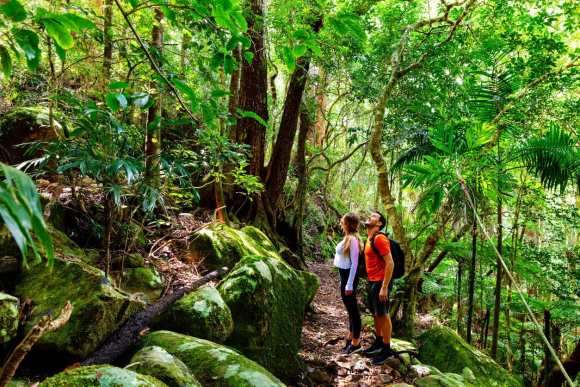
Hiking, motorcycling, and kayaking are some of the activities that minimize impact on the environment yet offer the chance to engage with nature. When compared to standard methods of transportation, these low-impact activities produce fewer carbon emissions, which is consistent with sustainable travel habits.
Support Conservation Efforts
Many locations take part in local conservation initiatives, like reforestation efforts for habitat restoration and carbon sequestration and beach clean-ups to safeguard the marine environment. Engaging in these activities promotes greater intimacy with nature and strengthens efforts to promote sustainability.
Source: Canva
Sustainable Travel Planning and Preparation
Pack Light and Smart
Packing less luggage while traveling improves mobility and lowers fuel and carbon emissions from transportation, especially when taking public transit. In addition to reducing their environmental impact, travelers who pack light and efficiently also endure less physical strain when traveling.
Travel Insurance with an Environmental Focus
Nowadays, several insurance firms provide policies that promote environmental causes in addition to providing standard coverage. When selecting an insurance company, try to find one that supports conservation initiatives, invests in renewable energy projects, and offers plans including options.
Community Involvement and Education
Learn and Respect Local Cultures
Cultural sensitivity is crucial for sustainable travel as it promotes understanding between tourists and locals. Travelers can reduce negative effects and boost local economies by respecting cultural customs and norms. Accepting an understanding of culture improves the trip experience by fostering genuine connections and meaningful interactions with locals and places.

Participate in Eco-Tourism
Eco-tourism highly values ethical travel practices that protect the environment and support local communities. Eco-tourism aims to provide memorable and enriching travel experiences that support long-term conservation and community well-being through lowering negative effects on the environment and society, raising environmental and cultural awareness, and promoting positive interactions between guests and hosts.
Educate Fellow Travelers
Sharing your travel experiences and advice with others can raise awareness of sustainable travel. Promote responsible tourism by showcasing eco-friendly initiatives on social media and in travel forums. Encourage people to make sustainable travel a priority to benefit the environment and cultures all around the world.
Monitoring and Offsetting Your Environmental Impact
Track Your Carbon Footprint
Make use of a variety of apps and internet tools to accurately estimate and track the environmental effects of your travels. Carbon emissions from travel, lodging, and activities can be tracked with apps such as MyClimate, TripZero, and GoClimate. Through the use of these assets, travelers can make well-informed choices and reduce their carbon footprint by participating in green events and sustainable activities.
Offset Carbon Emissions
After calculating your carbon footprint using software like MyClimate, TripZero, or GoClimate, consider offsetting it through reliable programs. Investing in green energy projects, promoting carbon-capture reforestation, and funding energy-efficiency projects in developing nations are examples of effective strategies.

Evaluate and Adapt Travel Habits
Enhancing sustainability involves regularly assessing and refining your travel habits. Keeping a log of eco-friendly choices and experiences while traveling can help identify areas for improvement. Decide to cut less on single-use plastics or utilize alternative forms of transportation when you go in the future.
Comparison Table: Traditional vs. Eco-Friendly Travel Practices
| Aspect | Traditional Travel | Eco-Friendly Travel |
| Transportation | Private car, frequent flights | Public transport, eco-friendly vehicles, direct flights |
| Accommodation | Chain hotels | Eco-certified hotels, local lodgings |
| Dining | Chain restaurants, imported foods | Local eateries, locally-sourced foods |
| Activities | Mass tourism attractions | Eco-tours, low-impact recreation |
| Shopping | Mass-produced souvenirs | Local, artisanal products |
| Planning | Paper tickets and guides | Digital alternatives |
| Community Engagement | Limited interaction | Cultural exchange, volunteer opportunities |
| Environmental Impact | High carbon footprint | Reduced emissions, offsetting practices |
Frequently Asked Questions (FAQs)
How can travelers reduce their environmental impact?
By using eco-friendly modes of transportation like bicycling or public transit, booking green-rated accommodations, bringing reusable items to reduce plastic waste, supporting local businesses, and engaging in conservation initiatives while traveling, travelers can reduce their environmental impact.
How can we keep our environment eco-friendly?
We can prioritize renewable energy, reduce waste through recycling and composting, save water, protect animals and natural habitats, and promote sustainable practices in our communities and business sectors to keep our environment green.
How can we be eco-friendly to the environment?
To ensure that we protect Earth’s resources for future generations, being mindful of the environment involves adopting routines such as cutting back on energy use, utilizing eco-friendly items, planting trees, supporting sustainable agriculture, and teaching people about environmental conservation.
Conclusion
Using eco-friendly travel strategies enhances the authenticity and significance of your travels while reducing your environmental impact. Every choice you make, from selecting sustainable travel and lodging options to mindful consumption and activities, helps protect the earth for future generations. Embrace sustainable travel as a journey of continuous growth towards a greener future.
Leave a Reply