


As the technological industry advances, the development of trendsetting gadgets shows no signs of stopping. Because electronic devices such as smartphones, computers, and televisions undergo frequent upgrades, many consumers accumulate outdated electronics they no longer use. As the world becomes more technology-driven, the amount of electronic waste or e-waste generated continues to grow.
But what can be done to resolve this problem? The answer lies in the proper disposal of old electronics and recycling. However, responsible management of e-waste isn’t just about freeing up space in your home or office; it’s about doing so while being mindful and considerate of the environment and protecting your personal data. In Barrie, electronics recycling is more accessible than ever, and understanding the process can help you make a positive impact.
Continue reading to learn more about how Barrie effectively handles electronic recycling and how you can help address the problem of e-waste.

Why Electronics Recycling is Essential
The generation of electronic waste is rapidly becoming one of the most significant waste streams globally. In fact, back in 2022, the world produced 62 million metric tons of electronic waste, predicted to reach 82 million by 2030. These numbers prove that simply tossing old gadgets in the trash isn’t a solution; it can actually add to the problem.
Aside from the staggering amounts of waste, electronic devices also comprise toxic substances like lead, mercury, and cadmium. If disposed of incorrectly, they can seep into the soil and contaminate water sources.
Recycling old electronics helps prevent these toxic substances from harming the environment. Moreover, recycling allows valuable materials such as gold, silver, and copper to be recovered and reused to produce new products. Doing so conserves natural resources and reduces the energy and pollution associated with mining and manufacturing.
Electronics Recycling Facilities in Barrie
If you’re wondering where to start with electronics recycling in Barrie, you’re in luck. The city provides various opportunities for both residents and businesses to recycle their electronic waste effectively.
One of the main places to go is an electronics recycling Barrie facility. These facilities are designed to accommodate a diverse array of electronic devices, including mobile phones, computer hard drives, fax machines, and circuit boards. They guarantee the disassembly of these items and the environmentally responsible management of hazardous components.

What Can Be Recycled?
Here are some examples of recyclable electronic items you can take to electronics recycling Barrie facilities or other locations:
- Cell phones: Even if your old phone no longer works, it contains valuable materials that can be recovered.
- Computer hard drives: These should be wiped clean of any personal information before recycling.
- Circuit boards: Found in almost all electronic devices, these boards contain metals that can be extracted and reused.
- Fax machines: Many businesses still have these outdated devices, which should be recycled rather than discarded.
- Ink cartridges: These are often overlooked, but they are recyclable and contain materials that can be reused.
- Power supplies: The components within power supplies can be salvaged and used in new products.
By recycling these items, you not only keep harmful substances out of the landfill but also contribute to producing new, sustainable products.
Protecting Your Personal Notification
Protecting personal data is one of the biggest concerns people have when recycling electronics. Before you take your old electronics to a recycling facility, it’s important to erase any personal information stored on them. This is particularly crucial for cell phones, tablets, and computers.
Fortunately, many electronics recycling facilities in Barrie offer services to wipe or destroy data. For example, they can physically destroy computer hard drives, ensuring no personal data can be retrieved. This provides peace of mind that your personal information won’t be compromised.
The Impact of Electronics Recycling
Recycling your electronic waste has far-reaching benefits. Opting for recycling contributes to minimizing landfill waste, preserving natural resources, and decreasing the need for raw materials. Additionally, it supports the circular economy by turning old electronics into new products, which can reduce the environmental footprint of manufacturing.

What Can Consumers Do To Help Reduce E-Waste?
Consumers are essential in the management of electronic waste. Yes, you can take part in reducing the environmental impact of electronic waste. Here are several steps you can take as a consumer to help with e-waste management:
1. Extend the Life of Electronic Devices
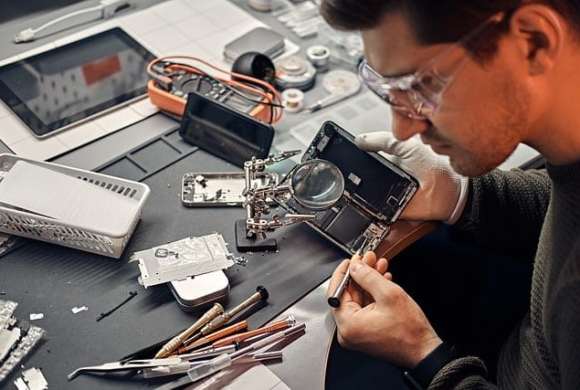
One of the most effective ways to manage e-waste is by extending the life of your electronic devices. Instead of discarding devices at the first sign of trouble, consider repairing or upgrading them. Issues like a slow computer or a cracked phone screen can often be fixed, allowing the device to function well for years to come.
Additionally, regularly maintaining gadgets by cleaning dust from vents, updating software, and replacing worn-out components can keep your devices in good condition and delay the need for a new purchase.
2. Donate or Sell Working Electronics
If your electronic devices are still functional but no longer utilized, donating or selling them can significantly contribute to e-waste management. Donating to charities, schools, or community organizations allows others to repurpose these devices, reducing the demand for new products. Alternatively, selling your old electronics through online platforms or trade-in programs can give these devices a second life while providing you with some financial benefits or discounts on new purchases.
3. Recycle Electronics Properly
Proper electronics recycling is crucial in managing e-waste. Consumers should always use authorized recycling centers that follow strict e-waste management practices, ensuring hazardous materials are safely handled, and valuable components are recovered. Many communities also host special e-waste collection events, making it easy to drop off old electronics for responsible recycling. Through these programs, you can help ensure that their e-waste is processed in an environmentally friendly manner.

4. Support Sustainable Products
Consumers can further help by supporting sustainable products and companies with green practices. When purchasing new electronics, look for sustainable products, such as those that use fewer hazardous materials, are easier to recycle, or are built to last longer. Additionally, consumers can encourage the industry to prioritize eco-friendly practices by buying from companies with strong environmental policies and actively participating in recycling and sustainability programs.
5. Properly Dispose of Batteries and Accessories
Proper disposal of batteries and accessories is another critical aspect of e-waste management. Most of these items are made of hazardous materials and should never be thrown in the trash.
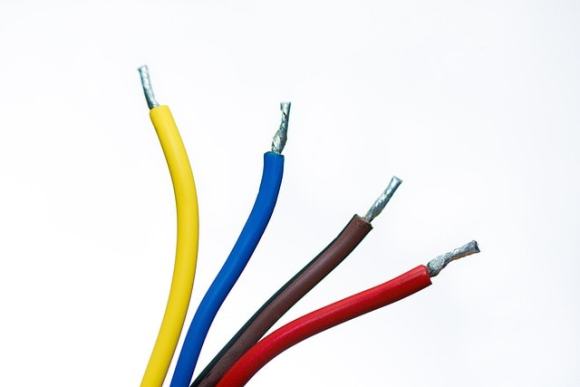
Instead, they should be recycled at electronics recycling facilities or through battery recycling programs offered by many retailers. Similarly, smaller accessories like chargers, cables, and earbuds should be recycled rather than discarded with regular waste, as they, too, contain materials that can be recovered and reused.
6. Reduce Consumption
Reducing consumption is a powerful way to manage e-waste. Buying only what you need can decrease the overall demand for electronics and the waste they generate. Consider whether you really need a new device or if your current one can still meet your needs. Additionally, avoiding impulse upgrades—resisting the temptation to purchase the latest model every time one is released—can significantly reduce the amount of e-waste you generate.

7. Educate Others
Finally, spreading awareness and educating others about the importance of proper e-waste management can have a broad impact. By talking to friends, family, and your community about responsible recycling and sustainable practices, you can help foster a culture of environmental stewardship. Encouraging others to recycle their electronics responsibly and adopt sustainable habits can amplify the positive effects of your actions, contributing to a more sustainable future for everyone.
By taking these steps, consumers can significantly reduce e-waste, conserve resources, and protect the environment.
Conclusion
In Barrie, electronics recycling is more than just a service—it’s a commitment to sustainability and environmental stewardship. Whether you’re an individual looking to clear out your home or a business with large amounts of e-waste, plenty of options are available to recycle responsibly. So, the next time you’re ready to dispose of your old electronics, remember that proper recycling is the key to protecting the environment and your data.
Leave a Reply