

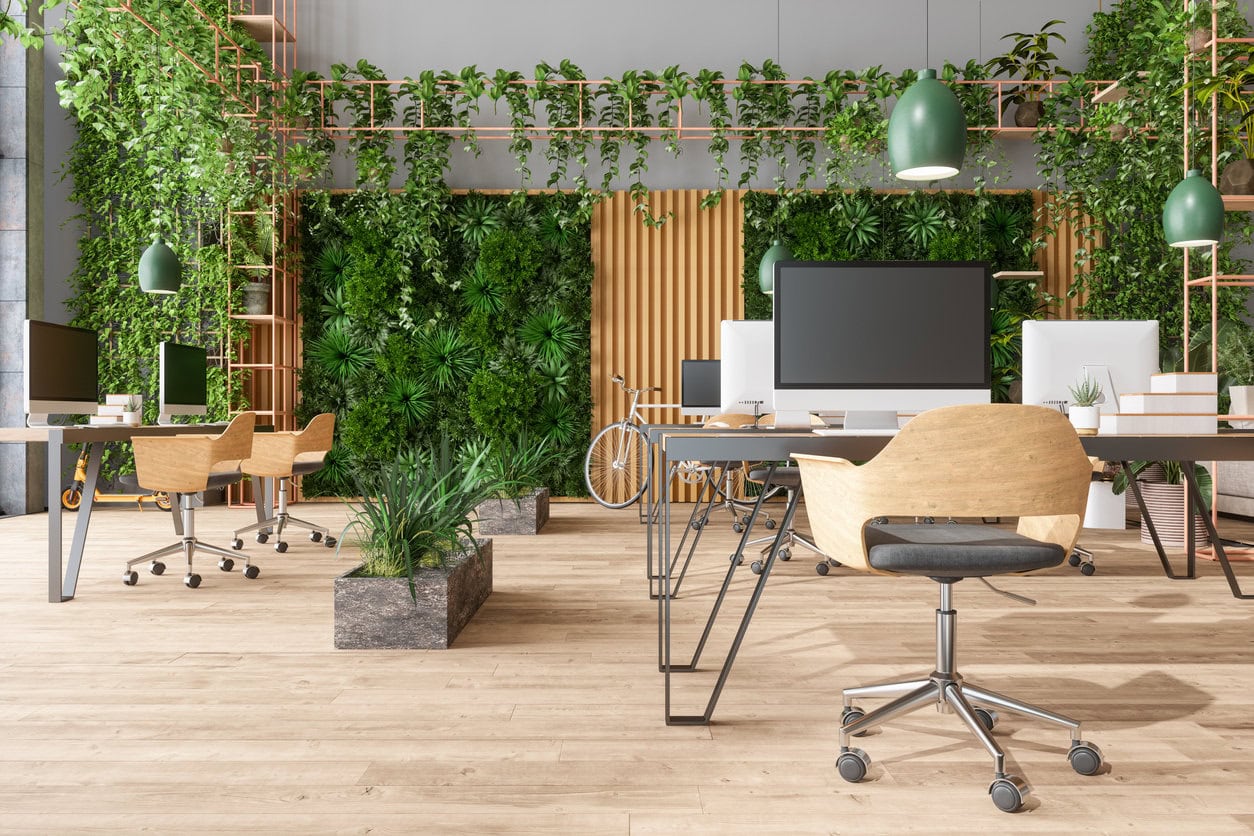
As we look to the future of construction, green building stands out as a crucial and hot topic. This approach focuses on creating structures that are environmentally friendly and sustainable. With climate change concerns growing, the need to reduce the construction industry’s massive carbon footprint has never been more urgent.
Green buildings aim to use less energy, conserve natural resources, and provide healthier living spaces, making them not only good for the planet but also beneficial for people’s wellbeing.
This shift is driven by innovative technologies, changing public demands, and increasing support from governments worldwide. As a result, green building is transforming from a niche market into a mainstream necessity, redefining how we think about constructing the spaces we live and work in.
So, in this article, we will discuss why green building is becoming not just relevant but essential, and how it shapes the future of construction. Go on reading!
The Rise of Green Building
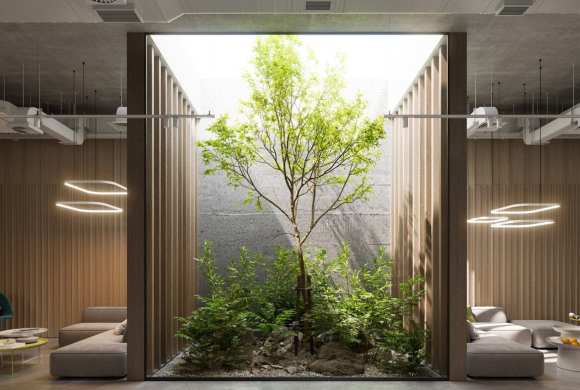
Green building is about constructing homes, offices, schools, and other buildings in ways that conserve natural resources, reduce carbon emissions, and promote a healthier environment both inside and outside the building. This approach has gained traction due to increasing awareness of climate change and the environmental impact of traditional construction methods. Moreover, the studies suggest that the trend will only rise in the coming years.
Environmental Urgency
One of the primary reasons behind the green building movement is the alarming rate of climate change happening all over the world. Did you know buildings account for nearly 40% of global carbon emissions, mainly through energy consumption and construction processes? That’s the reason buildings using sustainable design aim to slash these figures by integrating sustainable materials and energy-efficient technologies.
Technological Innovations

The green building sector thrives on innovation. Advances in technology have introduced materials and methods that were unimaginable a few decades ago. For example, the use of recycled materials in construction not only reduces waste but also decreases the demand for virgin resources. Smart technologies, like automated heating and cooling systems and energy-efficient lighting, are becoming standard features that help buildings reduce their energy consumption dramatically.
Economic Benefits
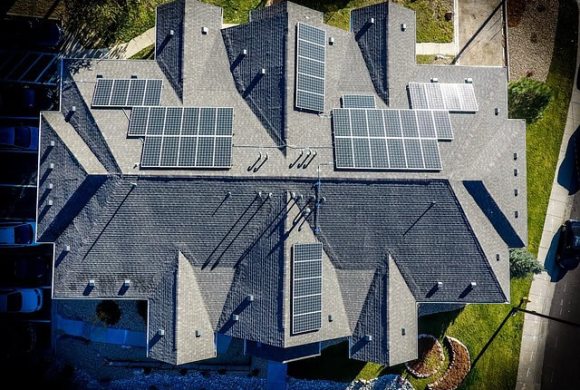
Initially, many investors and stakeholders were hesitant about green building due to the perceived high costs. However, evidence is mounting that green buildings offer significant economic advantages. These include reduced energy bills, lower water costs, and decreased maintenance expenses over the building’s lifecycle. Furthermore, green buildings tend to have higher property values and attract tenants more easily, which is a clear incentive for developers.
Health and Wellbeing
Green buildings also focus on the health and wellbeing of their occupants. Features like improved ventilation systems, non-toxic materials, and abundant natural light contribute to a better indoor environment. Studies have shown that such environments improve productivity and reduce sick days, which is particularly appealing for commercial properties.
Regulatory Support and Incentives
Governments worldwide are recognizing the benefits of green building and are beginning to offer incentives for sustainable construction practices. These may include tax benefits, grants, or expedited permitting processes. Such support not only encourages more developers to consider green building but also makes sustainable projects more financially viable.
Public Demand
Consumer preferences have shifted significantly, with more people demanding environmentally responsible options in every aspect of their lives, including their living and working spaces. This public demand is pushing developers to adopt green building practices as a standard rather than an exception.

Challenges to Overcome
Despite the momentum, the green building industry faces several challenges. These include a lack of skilled professionals trained in sustainable practices, higher upfront costs for some technologies, and the inertia of existing building practices. Overcoming these obstacles requires continuous education, innovation, and supportive policies.
The Future of Green Building
Looking ahead, the future of construction is undeniably green. As technology progresses and more sustainable materials become available, the efficiency and appeal of green buildings will only increase. Moreover, as public awareness and regulatory frameworks continue to evolve, green buildings will move from being an option to a necessity.
The shift towards sustainable construction isn’t just about reducing environmental impact—it’s also about creating a more economically viable and healthier future for all. The momentum behind the green building revolution shows no signs of slowing down, making it a hot topic today and a defining characteristic of tomorrow’s construction landscape.

The Bottom Line
Green building is more than a trend; it’s an essential response to our current environmental crises and a hopeful vision of our construction future. By prioritizing eco-friendly materials, energy efficiency, and reduced waste, green building not only helps combat climate change but also creates healthier living environments.
As technology and innovation continue to evolve, the construction industry is poised to lead the way in creating a greener, more sustainable world for future generations. As we build more sustainably, we’re not just erecting structures; we’re shaping a better world.
Leave a Reply