

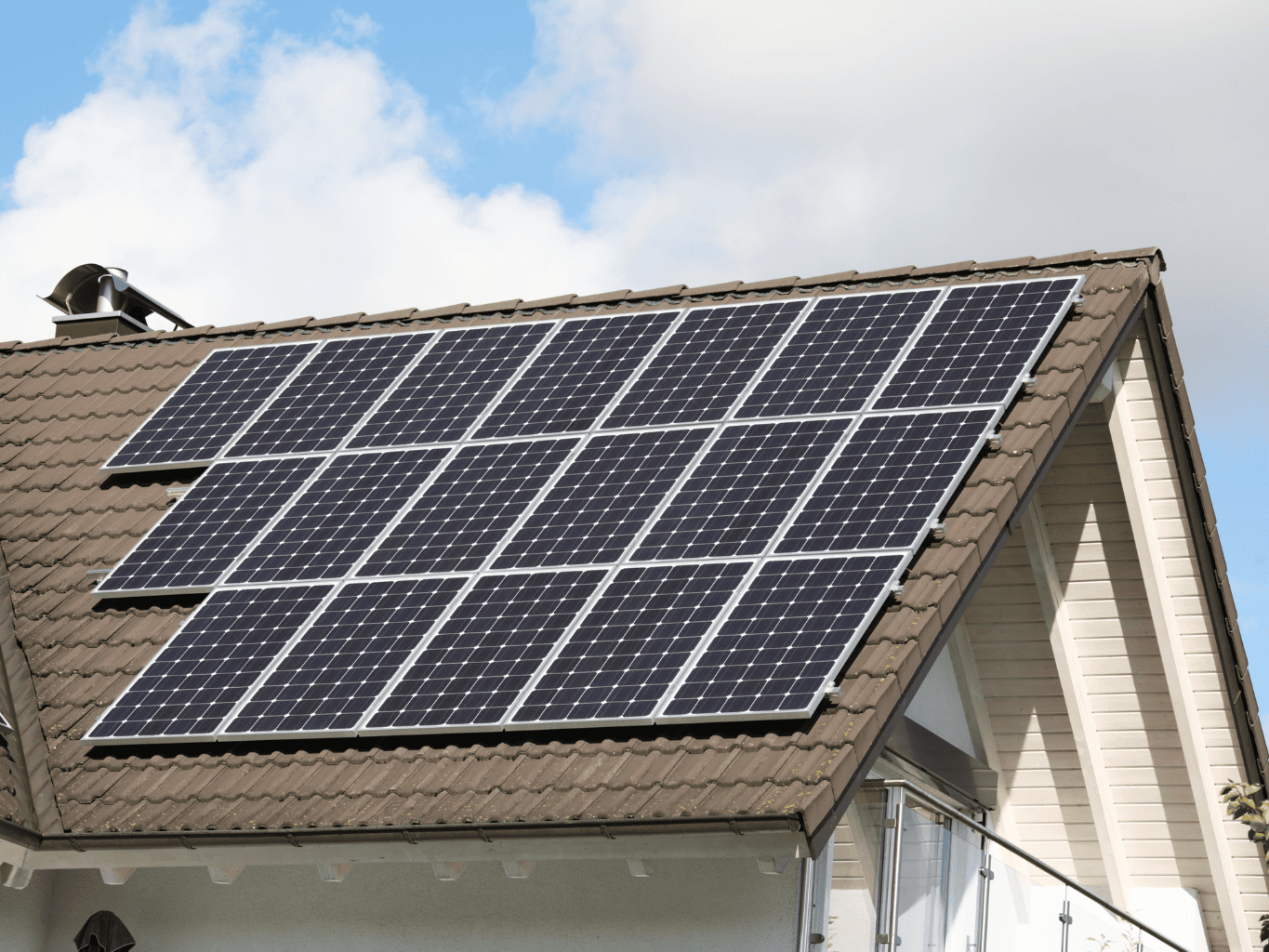
Harnessing solar energy is one of the best ways to reduce electricity costs and minimize your carbon footprint.
However, simply installing solar panels isn’t enough; you need to ensure they operate at peak efficiency to maximize your investment.
This guide covers essential tips to help you optimize your solar panels’ performance, from the initial setup to ongoing maintenance and advanced technology solutions.
9 Ways to Improve Solar Panel Efficiency
These nine strategies will help you optimize your solar panels’ performance, ensuring you harness the maximum energy from the sun.
1. Choose High-Quality Solar Panels for Long-Term Gains
The quality of your solar panels is a critical factor in determining their efficiency. While premium panels may require a higher upfront investment, they offer better efficiency rates and durability, leading to greater energy production over time.
High-efficiency panels can convert more sunlight into electricity, making them ideal for homes with limited roof space. Brands like SunPower, LG, and Panasonic are known for producing some of the most efficient panels on the market.
Look for panels with high efficiency ratings, good warranties, and strong performance under low-light conditions to ensure your system can produce energy even on cloudy days.

2. Optimize Panel Placement for Maximum Sunlight Exposure
Proper placement of your solar panels is crucial for capturing maximum sunlight. Panels should ideally face true South in the Northern Hemisphere or true North in the Southern Hemisphere.
The tilt angle is also vital—adjust it according to your latitude to optimize sunlight capture throughout the year. For instance, a steeper tilt may be beneficial in winter months when the sun is lower in the sky, while a flatter angle might be better in summer.
Additionally, consider your roof’s shape and orientation; installing panels on multiple roof facets can help capture sunlight at different times of the day. It’s also important to avoid placing panels in areas prone to shading, as even small shadows can significantly reduce energy output.

3. Maintain Clean Panels to Prevent Energy Loss
Dirty solar panels can lose a significant amount of efficiency—up to 30% or more—due to the accumulation of dust, bird droppings, leaves, and other debris. Regular cleaning is essential to maintain optimal performance.
In urban areas, pollution and dust may require more frequent cleaning, while in rural settings, you might need to deal with pollen or agricultural dust.
It’s recommended to clean your panels at least twice a year, but more frequent cleaning might be necessary if you notice a drop in performance.
Use soft water and a non-abrasive cloth to avoid scratching the panels, and consider using a biodegradable soap solution if the grime is particularly stubborn.

4. Mitigate Shading Issues to Enhance Output
Shading is one of the most detrimental factors affecting solar panel efficiency. Even partial shading of a single panel can reduce the energy output of the entire array.
Regularly inspect the area around your solar panels for any new sources of shade, such as growing trees or new structures. Prune back branches or consider relocating obstructions if possible.
Additionally, advanced technologies like bypass diodes, micro-inverters, or power optimizers can help mitigate the effects of shading by allowing each panel to operate independently, rather than being affected by the lowest-performing panel in the string.
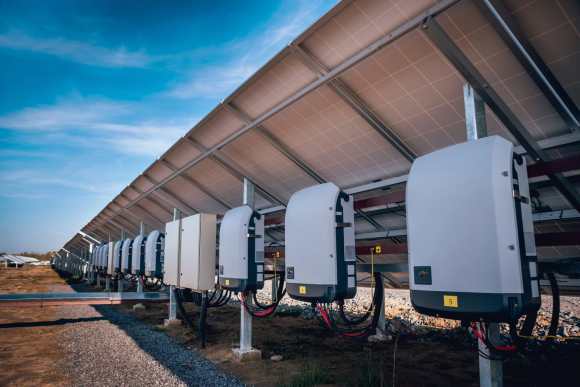
5. Keep Your Inverter in a Cool, Ventilated Space
Your solar inverter is the workhorse of your solar power system, converting the DC electricity generated by your panels into usable AC electricity for your home.
However, inverters can become less efficient as they heat up, which is why it’s important to keep them cool. Install your inverter in a shaded, well-ventilated area, away from direct sunlight and high heat sources.
If possible, consider installing a fan or other cooling mechanism to help regulate the temperature. Keeping your inverter cool can prevent overheating, reduce the risk of component failure, and ensure your system runs efficiently for years to come.
6. Install a Solar Tracking System for Continuous Optimization
A solar tracking system adjusts the position of your solar panels throughout the day to follow the sun’s path, significantly boosting the amount of sunlight they capture.
While these systems can be more expensive and require additional maintenance, they can increase your panels’ efficiency by 10-25%, depending on your location.
Tracking systems are particularly beneficial in areas with long sunny days, as they allow you to capture more energy during the morning and late afternoon.
There are two main types of trackers: single-axis systems, which follow the sun’s movement from east to west, and dual-axis systems, which adjust for seasonal variations in the sun’s position.
7. Use Micro-Inverters or Power Optimizers for Better Panel Performance
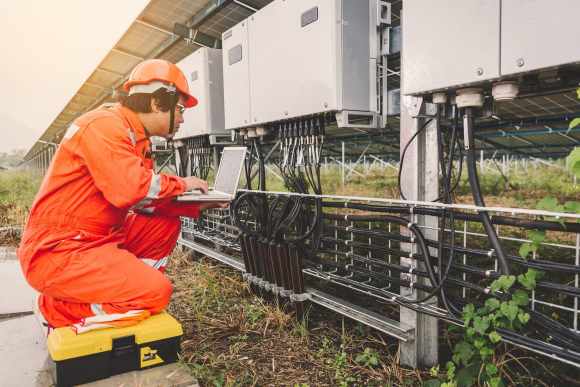
Micro-inverters and power optimizers are essential tools for improving the efficiency of solar panels, especially in systems where shading or panel mismatches occur.
Traditional inverters can only convert the electricity generated by the entire string of panels, meaning the performance of one shaded or dirty panel can drag down the output of the entire system.
Micro-inverters, on the other hand, are installed on each panel, allowing each one to operate independently. This not only improves overall system efficiency but also increases system flexibility, as panels can be installed at different orientations or in areas with partial shading without significantly impacting performance.

8. Integrate Battery Storage for Greater Energy Independence
Adding a battery storage system to your solar array allows you to store excess energy generated during the day for use during peak demand times or at night, when solar production ceases.
This not only increases your system’s efficiency but also provides energy security during grid outages. Lithium-ion batteries, like the Tesla Powerwall, are popular choices due to their high energy density and long lifespan.
When sizing a battery, consider your energy consumption patterns, the size of your solar array, and your goals—whether you want to reduce your electricity bills, increase self-sufficiency, or have backup power in case of an outage.
9. Align Energy Consumption with Solar Production for Optimal Efficiency
Maximizing your solar panel efficiency also involves optimizing how and when you use the electricity generated.
To get the most out of your system, align your energy use with periods of peak solar production. For example, run energy-intensive appliances like dishwashers, washing machines, and air conditioners during the day when your panels are generating the most power.
Smart home technologies, such as energy management systems and programmable thermostats, can help you automate this process, ensuring that your energy use is in sync with your solar production.
Additionally, consider using load shifting techniques, like pre-cooling your home in the afternoon, to reduce the need for electricity during peak demand hours.

Conclusion
By implementing these strategies, you can significantly improve the efficiency of your solar panels and ensure that your solar power system delivers maximum energy output.
From choosing high-quality panels and maintaining them properly to using advanced technologies like micro-inverters and solar trackers, each step is crucial in optimizing your system’s performance.
Investing time and resources in these practices will not only increase your energy savings but also extend the lifespan of your solar panels, making them a more valuable asset in your journey toward sustainable energy.
Leave a Reply