


Are you looking for a way to make a positive impact on the environment while also benefiting financially? Solar land leases offer a perfect solution.
By leasing your land for solar energy projects, you can play a crucial role in promoting renewable energy and reducing our reliance on fossil fuels. This approach not only supports the global shift towards sustainability but also provides you with a steady income stream. By turning underutilized land into a valuable asset that helps combat climate change.
In this article, let’s explore how solar land leases can enhance eco-friendly living by boosting renewable energy adoption and offering economic and environmental benefits.
Accelerate Renewable Energy Adoption with Solar Land Leases
Solar land leases facilitate the development of large-scale solar farms. These leases enable renewable energy companies to secure the land needed for extensive solar installations.
Large-scale solar projects make renewable energy more accessible and affordable, thereby leading to widespread adoption. By leasing your land for solar projects, you help increase the availability of clean energy, thus reducing the overall cost of solar power.
Leasing land for solar energy, often termed a solar land lease, directly contributes to decreasing reliance on non-renewable energy sources. Solar farms generate clean energy, significantly cutting down the use of fossil fuels. This shift promotes a cleaner environment by reducing air and water pollution. By participating in solar land leases, you play a vital role in promoting sustainable energy and reducing the carbon footprint.
What are the economic benefits for landowners?

One of the significant benefits of solar land leases is the steady income stream for landowners. Leasing your land for solar projects provides steady income. This can be especially helpful where farming or other land uses are less profitable. This additional income can support your financial stability and growth.
Landowners can earn substantial income through solar leases, with payments ranging from $250 to $2,000 per acre per year. Hosting renewable energy projects can also lead to an increase in your land’s value.
This appreciation can enhance your overall asset portfolio, thus providing long-term financial benefits. This appreciation can enhance your overall asset portfolio, providing long-term financial benefits.
Contribute to Environmental Preservation
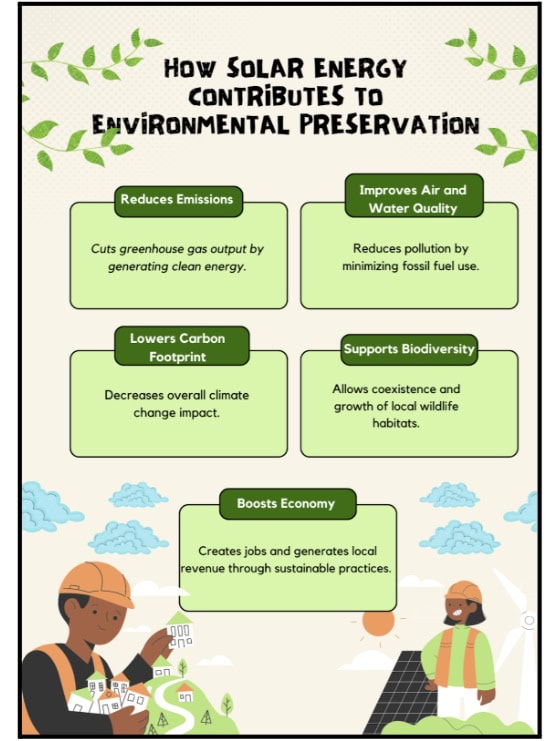
Solar energy plays a crucial role in reducing greenhouse gas emissions. By participating in solar land leases, you contribute to producing clean energy that does not release carbon dioxide or other harmful gasses.
Reduction in Carbon Footprint
Solar energy helps mitigate climate change and promotes a healthier planet. This reduction in emissions supports global efforts to reduce the carbon footprint and protect the environment.
Preservation of Natural Habitats

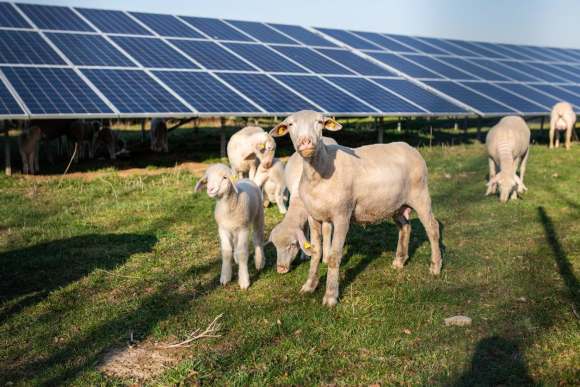
Solar farms can coexist with natural habitats. With careful planning and management, these projects can enhance local biodiversity. For instance, solar panels can be installed in ways that allow vegetation to grow underneath, thereby creating habitats for various species.
Community Empowerment and Development
Solar projects create numerous job opportunities during their construction and maintenance phases. Leasing your land for solar energy helps create local jobs. It adds to economic growth in your community.
Job Creation and Economic Growth
- Requires a diverse workforce from technical roles to administrative positions
- Boosts the local economy
- Supports community development
Energy Independence for Communities
Local solar projects provide energy security and independence, particularly for rural and underserved communities. Supporting solar energy helps your community by reducing its reliance on external energy. It reduces its reliance on external energy, ensuring a stable power supply.
Technological Innovations and Advancements
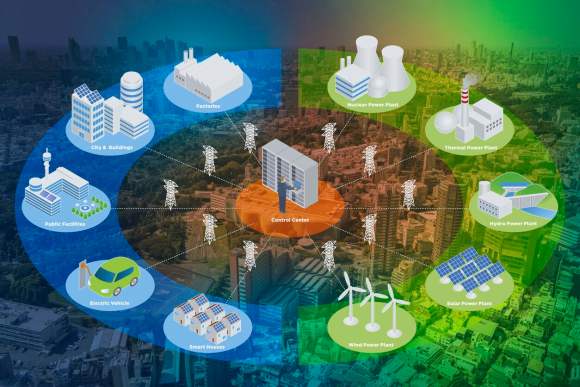
Solar land leases support the development and integration of smart grid technologies. Smart grids enhance energy efficiency and reliability by intelligently managing energy distribution and consumption.
By contributing land for solar projects, you help these projects grow. This leads to a more resilient energy system.
The demand for solar land leases drives innovation in solar technology. More investment in solar projects drives the development of better and cheaper solutions.
As a landowner, your participation in solar leases contributes to technological progress. It makes solar energy more feasible and widespread.
What Legal and Regulatory Factors Should You Consider?
Understanding the legal considerations and regulatory requirements for solar land leases is crucial. Zoning laws and regulations vary by location and can impact the feasibility of solar projects. By familiarizing yourself with these rules, you can ensure a smooth leasing process and compliance with all necessary regulations.
Governments offer various incentives and subsidies to promote renewable energy development. These financial benefits can make leasing your land for solar projects more attractive and profitable. By taking advantage of these programs, you can maximize the economic benefits of your land lease.
Practical Considerations for Landowners
Assessing the suitability of your land for solar projects involves several factors. Consider sunlight exposure. Also, consider soil quality and the distance to power grids. These factors will help you determine if solar development on your property is feasible.
Evaluating Land Suitability
Ensure that your land meets criteria for solar development to attract interest from solar developers. Suitable land conditions enhance the success and efficiency of solar projects.
Negotiating Lease Terms
Negotiating favorable lease terms is essential for a successful solar land lease. Key aspects to consider include the lease’s duration, pay, and both parties’ responsibilities. They must ensure a mutually beneficial agreement.
Addressing Challenges and Concerns
Conflicts over land use can arise between agriculture, conservation, and solar energy production. Strategies to address these conflicts include transparent communication, stakeholder engagement, and careful planning.
By balancing different land uses, you can ensure that solar projects coexist harmoniously with other land activities. Ensuring the long-term sustainability of solar land leases involves ongoing maintenance and monitoring.
Measures, such as regular inspections and impact assessments, can help keep the project sustainable. By committing to these practices, you contribute to a sustainable and eco-friendly energy future.
Future Prospects and Trends

The potential for growth in solar land leases is significant. As the demand for renewable energy increases, more land will be needed for solar projects.
This trend presents ongoing opportunities for landowners. They can join the renewable energy sector and support eco-friendly living.
Expanding solar land leases aligns with and supports global sustainability and climate goals. By leasing your land for solar projects, you contribute to international efforts to reduce greenhouse gas emissions and promote renewable energy. Your participation helps drive progress towards a more sustainable and environmentally friendly future.
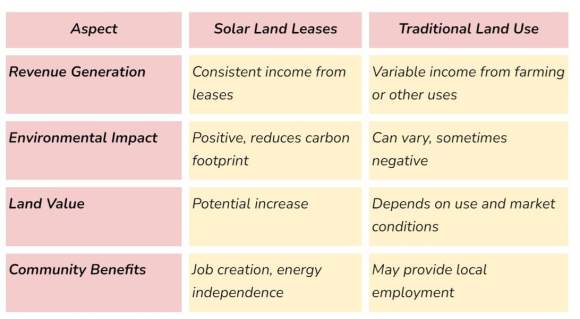
Solar land leases are a powerful tool for supporting eco-friendly living. By providing land for solar projects, you contribute to renewable energy adoption, reduce dependence on fossil fuels, and gain economic benefits. These leases also offer significant environmental advantages, community empowerment, and technological advancements.
Landowners can navigate the challenges and get the rewards of solar land leases. They just need to understand the legal rules and practical issues. Start exploring solar land lease opportunities today to make a positive impact on the environment and your community.
FAQs
- How do solar land leases benefit landowners?
They provide consistent income and potential land value appreciation.
- What environmental benefits do solar farms offer?
Solar farms reduce greenhouse gas emissions and can enhance local biodiversity.
- How do solar land leases support community development?
They create jobs and promote energy independence for local communities.
Leave a Reply