

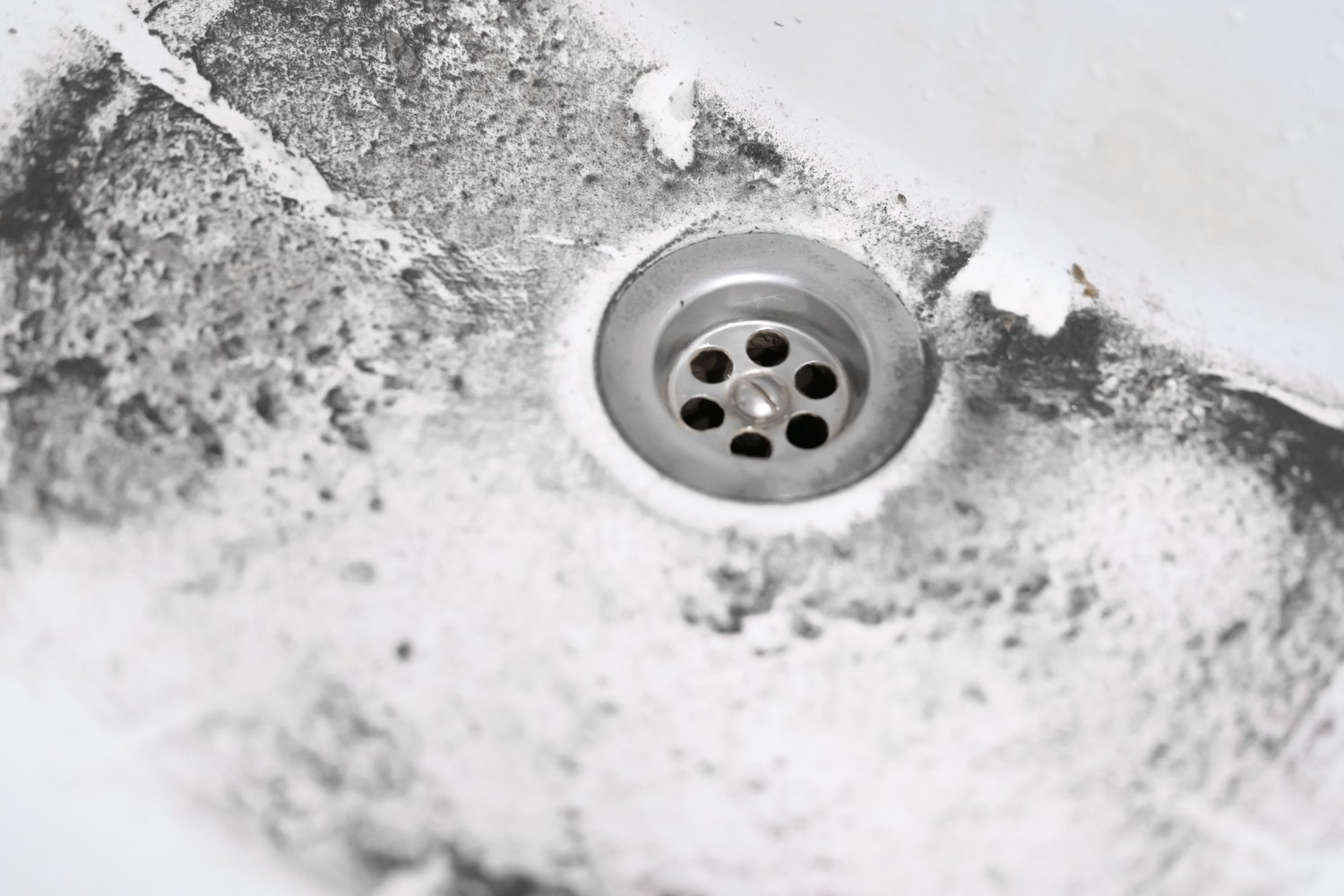
A clogged shower drain is a common household nuisance that can quickly turn into a frustrating problem. This pesky issue often stems from a buildup of hair, soap scum, and other debris, causing water to pool instead of draining smoothly. While commercial drain cleaners might seem like a quick fix, they often contain harsh chemicals that can harm your pipes and the environment.
Fortunately, there are effective and eco-friendly alternatives to tackle this problem. This guide will explore six natural and sustainable methods to clear your clogged shower drain without resorting to harmful chemicals. Let’s dive in and discover how to restore your shower’s flow effortlessly and responsibly.
1. Prevention Tips
Preventing a clogged shower drain is much easier than dealing with the hassle of blockage removal on drains. By incorporating a few simple habits into your routine, you can significantly reduce the chances of encountering this frustrating problem.
Regular Maintenance is Key
One of the most effective ways to keep your shower drain flowing smoothly is through consistent maintenance. After each shower, take a few moments to run hot water down the drain. This helps to wash away any lingering hair or soap residue before it has a chance to solidify. Additionally, pouring a mixture of baking soda and vinegar down the drain once a month can help dissolve grease and grime, preventing buildup.
The Importance of Drain Strainers
Using a drain strainer is essential for capturing hair and other debris before they enter your pipes. There’s a wide variety of drain strainers available, from simple mesh covers to more sophisticated options with built-in handles. Regularly cleaning your drain strainer will help maintain its effectiveness.
2. Baking Soda and Vinegar
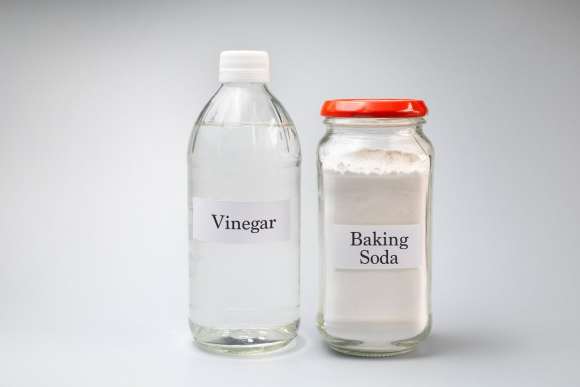
The classic combination of baking soda and vinegar is a popular and effective method for tackling minor clogs. This simple yet powerful solution can help break down grease and grime, clearing the way for smoother drainage.
Here’s how to use it:
- Pour baking soda: Empty about half a cup of baking soda down the drain.
- Add vinegar: Carefully pour half a cup of white vinegar into the drain. You’ll notice a foamy reaction as the two substances combine. This is a good sign!
- Let it sit: Allow the mixture to sit for about an hour to give it time to work its magic.
- Flush with hot water: After an hour, pour a pot of boiling water down the drain to rinse away the loosened debris.
The chemical reaction between baking soda (sodium bicarbonate) and vinegar (acetic acid) creates carbon dioxide gas, which helps to loosen and break down the clog. This method is not only effective but also safe for your pipes and the environment.
3. Salt and Hot Water
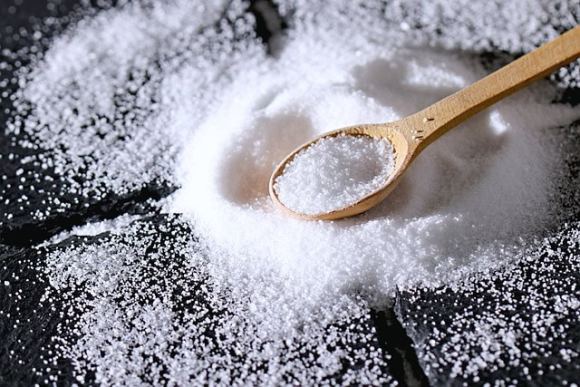
Salt is another pantry staple that can be surprisingly effective at clearing shower drains. When combined with hot water, it can help dissolve grease and grime, loosening the clog.
Here’s how to use it:
- Pour the salt: Pour about half a cup of regular table salt down the drain.
- Follow with hot water: Immediately pour a pot of boiling water down the drain. The heat from the water helps dissolve the salt, which then works to break down the clog.
- Repeat: For stubborn clogs, you may need to repeat this process a few times.
Salt is a natural abrasive that can help scrub away at the buildup in your drain. When combined with the heat of the water, it creates a powerful cleaning solution that can effectively clear minor clogs.
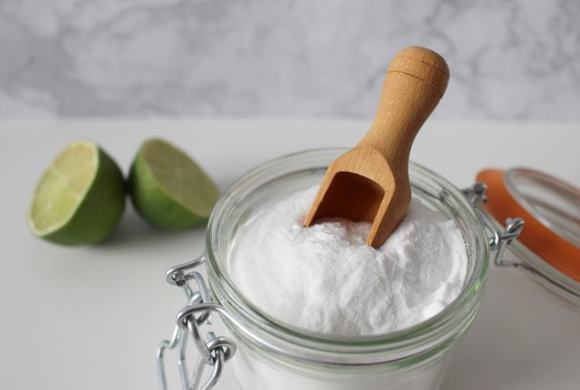
4. Baking Soda and Lemon Juice
Baking soda and lemon juice offer a refreshing alternative to traditional drain cleaners. This combination can effectively cut through grease and grime, leaving your shower drain smelling fresh.
Here’s how to use it:
- Pour baking soda: Empty about half a cup of baking soda down the drain.
- Add lemon juice: Squeeze the juice of one lemon (or use about half a cup of store-bought lemon juice) into the drain.
- Let it sit: Allow the mixture to sit for about an hour to give it time to work its magic.
- Flush with hot water: After an hour, pour a pot of boiling water down the drain to rinse away the loosened debris.
Lemon juice contains citric acid, which helps to break down grease and eliminate odors. When combined with the abrasive properties of baking soda, it creates a powerful cleaning solution for your drain.
5. Wire Hanger
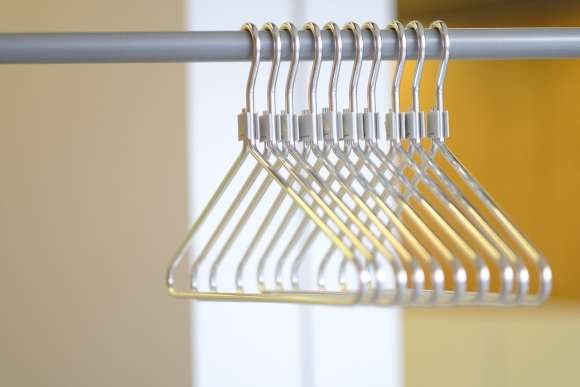
A wire hanger can be a handy tool for more stubborn clogs. By transforming it into a makeshift plumbing snake, you can reach deep into the drain to dislodge the blockage.
Here’s how to use it:
- Prepare the hanger: Straighten out a wire coat hanger as much as possible. Using pliers, create a small hook at one end.
- Insert the hanger: Carefully insert the hooked end of the wire into the drain.
- Break up the clog: Gently rotate the hanger while pushing it deeper into the drain to break up the clog. You may feel resistance as the hanger encounters the blockage.
- Remove the clog: Once you’ve reached the clog, try to hook onto it and pull it out. Be careful not to push it further down the drain.
Safety Tips:
- Be cautious when using a wire hanger, as it can be sharp.
- Avoid excessive force to prevent damaging your pipes.
- If you can’t clear the clog with a wire hanger, it’s best to call a professional plumber.
While a wire hanger can be effective for some clogs, it might not be suitable for all situations. Use it with caution and consider other methods if it persists.
6. Biological Enzymes
For a more environmentally friendly and long-term solution to drain clogs, consider using enzyme-based drain cleaners. These products contain beneficial bacteria and enzymes that break down organic matter, such as hair, soap scum, and grease, without harmful chemicals.
How Enzyme Drain Cleaners Work
Enzyme drain cleaners work by introducing microorganisms into your pipes. These microorganisms consume the organic material causing the clog, gradually breaking it down into water and carbon dioxide. This process is not only effective but also safe for your pipes and the environment.
Using Enzyme Drain Cleaners
- Choose the right product: Look for enzyme-based drain cleaners that are specifically designed for use in plumbing systems.
- Follow instructions: Carefully read and follow the instructions on the product label. Most enzyme-based cleaners require regular application for optimal results.
- Maintain regular use: Consistent use of enzyme drain cleaners can help prevent future clogs and keep your pipes clean.
While enzyme drain cleaners might take longer to work compared to chemical-based products, they offer a long-lasting and eco-friendly cleaning method for maintaining clear drains.
Conclusion: Reclaim Your Shower
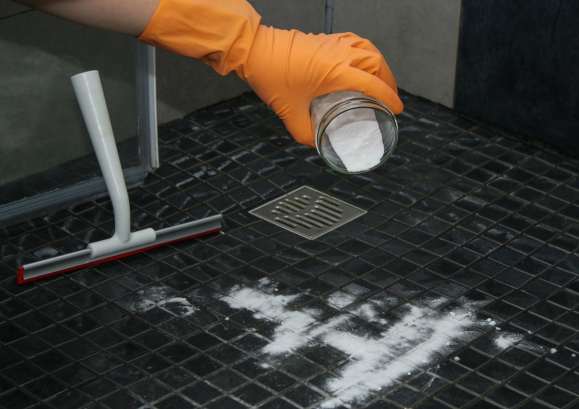
Dealing with a clogged shower drain can be frustrating, but it doesn’t have to involve harmful chemicals. By utilizing these eco-friendly methods, you can effectively clear your drain and maintain a clean, fresh shower space.
Remember, prevention is key. Regularly cleaning your drain and using a strainer can significantly reduce the chances of clogs forming. If you find yourself facing a stubborn blockage, don’t hesitate to call a professional plumber.
By incorporating these tips into your routine, you can enjoy a clog-free shower experience and contribute to a healthier environment.
Leave a Reply