

How do you keep your garden and outdoor spaces vibrant in the scorching heat of an arid summer? Maintaining a healthy landscape in dry climates requires more than just routine care. It demands a strategic approach tailored to conserving water and protecting plants from extreme conditions.
From selecting drought-tolerant plants to implementing efficient irrigation and sustainable practices, let’s take a look at some of the essential tips to ensure your garden and outdoor spaces thrive during the challenging summer months in arid regions.
Choosing the Right Plants for Dry Climates
When gardening in dry climates, selecting drought-resistant and native species is crucial for minimizing water usage and ensuring long-term survival. Native plants, such as Agave and the Palo Verde tree, are adapted to the local environment and require less water, thriving with minimal irrigation.
Choosing drought-tolerant perennials like lavender, sage, and yucca can provide consistent greenery and color without frequent watering. By focusing on these plant types, gardeners can create sustainable landscapes that not only survive but flourish in dry conditions.

Efficient Irrigation Techniques
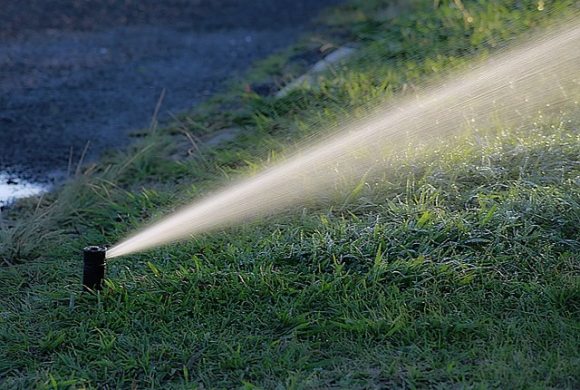
Efficient irrigation is vital in arid regions to conserve water while maintaining healthy landscapes. Drip irrigation systems, which deliver water directly to the plant roots, can significantly reduce water usage compared to traditional sprinkler systems.
Timing is also critical. Watering early in the morning or late in the evening minimizes evaporation, allowing more water to reach plant roots. Implementing smart irrigation controllers that adjust watering schedules based on weather conditions can further optimize water use, making them a valuable tool for gardeners in dry climates.
Soil Management for Water Retention
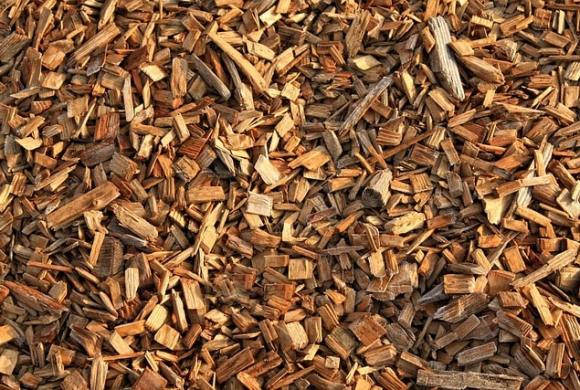
Effective soil management is essential for maximizing water retention in arid regions. Mulching is a practical method that reduces surface evaporation and helps maintain stable soil temperatures. A layer of mulch, whether organic like wood chips or inorganic like gravel, can significantly extend the period during which plants can access moisture.
Improving soil structure with organic matter, such as compost, enhances the soil’s water-holding capacity by fostering a healthy ecosystem of microorganisms. This reduces the need for frequent irrigation and supports robust plant growth by providing a consistent moisture supply.
Lawn Care in Arid Regions
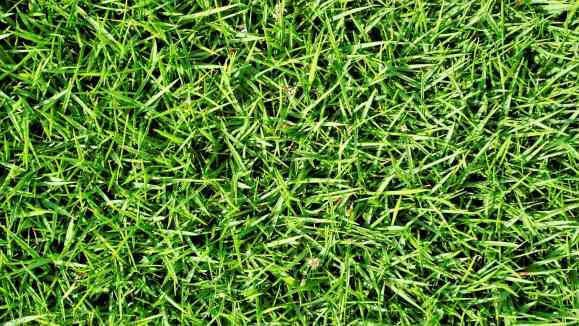
Lawn care in arid regions requires strategic choices to ensure sustainability. Selecting drought-resistant grass varieties, such as Buffalo, Zoysia or the drought-tolerant Bermuda grass is one of the most important decisions you can make when it comes to your lawn, as they are well-adapted to dry conditions and require significantly less water.
Proper mowing practices, such as raising the mower blade to keep the grass at a higher height, help shade the soil, reduce evaporation, and promote deeper root growth. These strategies enable homeowners to maintain a lush lawn even in arid environments with limited water resources.
Garden and Landscape Design Tips
Effective garden and landscape design in arid regions focuses on maximizing water efficiency and minimizing irrigation needs. Zoning your garden based on water requirements, known as hydrozoning, ensures that water is used efficiently by grouping plants with similar needs together.
Incorporating shade elements like pergolas, shade sails, or strategically placed trees can reduce the temperature of the soil and surrounding air, decreasing the water demand of plants. Designing rock gardens and integrating hardscape elements like gravel paths or stone patios can further reduce the need for water-intensive plantings while adding aesthetic value to the landscape.
Sustainable Practices for Long-Term Care
Implementing sustainable practices in garden and lawn care is key to long-term success in arid regions. Composting is one of the most effective ways to enhance soil health and water retention by increasing the soil’s organic content and improving its ability to hold moisture.
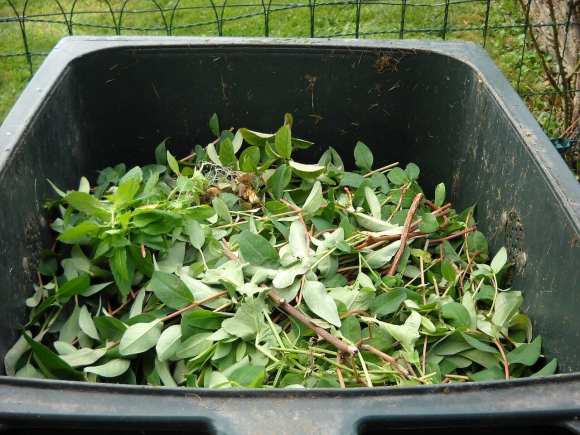
Using organic mulches, such as wood chips, straw, or leaves, helps conserve moisture and regulate soil temperature. As these mulches decompose, they add nutrients to the soil, further enhancing its fertility and supporting the long-term vitality of gardens and landscapes in dry environments.
Maintaining Outdoor Spaces During Summer
Maintaining outdoor spaces during summer in arid regions requires careful attention to materials and protective measures. Patio and deck surfaces, often exposed to intense sunlight, can deteriorate quickly if not properly maintained. Regularly sealing wooden decks and patios can prevent cracking and warping caused by the harsh sun, extending their lifespan.
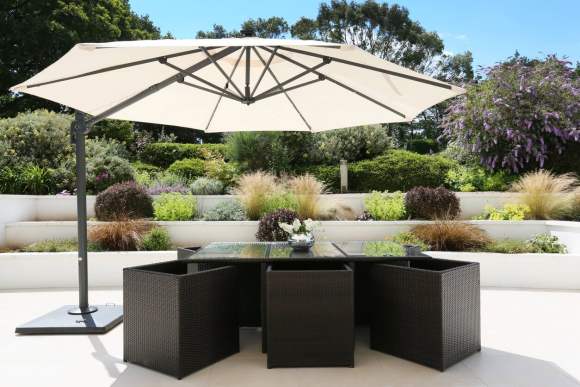
Outdoor furniture also needs special care. Using UV-resistant covers or storing furniture in shaded areas can prevent sun damage and prolong the life of materials like wood, metal, and fabric. Shade solutions such as pergolas, umbrellas, or shade sails not only protect furniture but also make outdoor areas more comfortable and usable during peak summer heat.
Common Mistakes to Avoid
Avoiding common mistakes is crucial for the successful maintenance of gardens and lawns in arid regions. Overwatering is a frequent error that can harm plants by promoting shallow root growth and increasing susceptibility to disease. Instead, it’s essential to water deeply but less frequently, encouraging roots to grow deeper into the soil where moisture is more consistently available.
Another mistake is neglecting soil health, particularly the failure to regularly test and amend the soil. In arid regions, soil often becomes compacted and nutrient-deficient, making it difficult for plants to thrive. Regular soil testing and appropriate amendments, such as compost or specific nutrients, can improve soil structure and fertility, leading to healthier, more resilient gardens and lawns.
Conclusion
How can you ensure your garden and outdoor spaces thrive in the harsh conditions of an arid summer? By selecting drought-tolerant plants, employing efficient irrigation techniques, managing soil for optimal water retention, and avoiding common pitfalls, you can create a sustainable and resilient landscape.
Implementing these strategies not only conserves water, but also enhances the health and longevity of your garden, lawn, and outdoor living areas. With careful planning and mindful practices, your outdoor spaces can flourish even in the most challenging climates!
Leave a Reply