


Transporting pets, whether for a short trip to the vet or a cross-country move, can be challenging. Ensuring your pets are safe, comfortable, and stress-free during the journey is essential. Here are practical tips to help you transport your pets efficiently and compassionately.
Convenient and Safe Pet Transport Services
Ensuring your pets travel safely and comfortably is a top priority with specialized pet transport services. Whether you’re moving to a new city or must transport your furry friend to the vet, professional domestic pet transport provides reliable and secure transportation options tailored to your pet’s needs. An experienced team is dedicated to delivering the highest level of care, ensuring your pets arrive at their destination happy and healthy.
Choose the Right Carrier or Crate
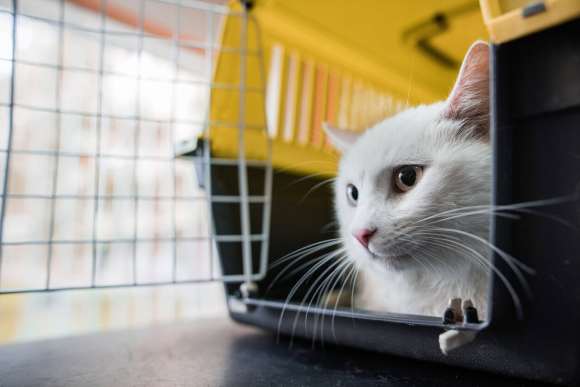
Selecting the appropriate carrier or crate is the first step in ensuring your pet’s safety and comfort during transport. For cats and small dogs, a well-ventilated, sturdy carrier with enough room for them to stand, turn around, and lie down is essential, as transport can be stressful if they feel confined. For larger dogs, a crate that’s roomy yet secure is ideal. Ensure the carrier or crate is crash-tested if you’ll be traveling by car. To familiarize your pet with the carrier, leave it out in the open a few days before the trip, allowing them to explore it voluntarily.
- Ensure proper ventilation: The carrier should have enough ventilation to allow your pet to breathe easily and stay cool. Look for carriers with multiple mesh windows or vented sides to prevent overheating, especially during long journeys.
- Secure the carrier in the vehicle: If you’re traveling by car, secure the carrier with a seatbelt or place it on the floor behind the front seats to prevent it from sliding around. This adds an extra layer of safety and keeps your pet more stable during the trip.
Ensure Proper Hydration and Nutrition
Keeping your pet hydrated and fed during travel is crucial, but it requires careful planning. Feed your pet a light meal a few hours before the journey to avoid motion sickness. For long trips, pack enough water and snacks, and plan for breaks if you’re driving. Use spill-proof bowls to minimize messes, and if you’re flying, check with the airline about their policies on pet food and water. Remember, hydration is vital, especially during warmer months.
- Offer water regularly: If your journey is long, stop every few hours to offer your pet fresh water. Some pets may not drink during travel due to stress, so consider bringing ice cubes as a slow-release hydration option.
- Pack your pet’s regular food: Sudden changes in diet can upset your pet’s stomach, so pack enough of their regular food for the entire trip. If your pet has a sensitive stomach, bring along any necessary supplements or medications they may need to prevent digestive issues.
- Schedule feeding times: Try to maintain your pet’s regular feeding schedule during the trip as much as possible. If you need to adjust the timing slightly, do so gradually in the days leading up to the trip to minimize disruption to their routine.

Plan for Comfort and Stress Management
Traveling can be stressful for pets, so making them as comfortable as possible is important. Bring along their favorite toys or a blanket with a familiar scent to ease anxiety. If your pet tends to get nervous, consider natural calming aids like pheromone sprays or consult your vet about anxiety medication. For long journeys, stop every few hours to let your pet stretch and relieve themselves. If you’re flying, choose a direct flight to minimize travel time and avoid layovers, which can increase stress.
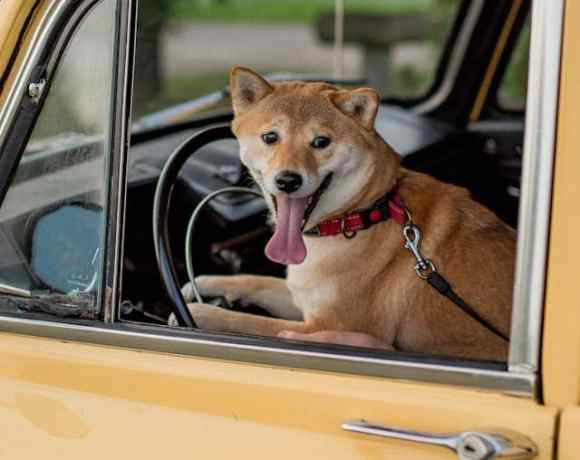
- Use a pet seatbelt or harness: For pets that won’t be traveling in a crate, use a pet-specific seatbelt or harness to keep them secure. This prevents them from roaming around the car, which can be dangerous, and also gives them a sense of stability during the ride.
- Play calming music: Soft, calming music can help soothe anxious pets. There are even playlists and albums specifically designed to reduce stress in animals. Playing this music at a low volume can create a relaxing environment for your pet.
- Schedule breaks for exercise: If your trip is long, plan for stops where your pet can stretch their legs and burn off some energy. This is particularly important for dogs, who need regular exercise to stay calm and happy. Make sure the break area is safe and secure before letting your pet out of the vehicle.
Follow Legal and Health Requirements
Before traveling, ensure your pet is up-to-date on vaccinations and has all necessary health certificates, especially for international travel. Different states and countries have varying regulations, so research in advance to avoid complications. Some locations may require quarantine, so it’s vital to be informed about these rules. Additionally, have your pet’s identification up-to-date, including a microchip, in case they get lost during the journey.
- Research entry requirements: If you’re traveling internationally or to another state, research the specific entry requirements well in advance. Some destinations may require specific vaccinations, deworming, or other treatments, often within a specific time frame before travel.
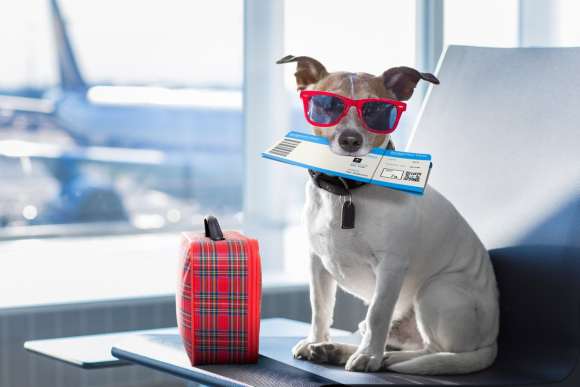
- Check airline or transportation policies: Different airlines and transportation companies have varying policies regarding pets. Ensure you understand these policies, including carrier size restrictions, in-cabin pet allowances, and health documentation requirements, before booking your travel.
Prepare for Emergencies
Even with the best planning, unexpected situations can arise, so it’s essential to be prepared for emergencies while transporting your pet. Pack an emergency kit that includes basic first-aid supplies, such as bandages, antiseptic wipes, tweezers, and any necessary medications your pet may require.
A pet-specific first aid book or a downloaded app can also be helpful in case of minor injuries. Have a list of emergency contacts handy, including the phone numbers and addresses of veterinary clinics along your travel route, as well as the contact information for animal control or pet-friendly shelters if you’re traveling in an area prone to natural disasters.

Transporting your pet can be a smooth process with proper preparation and attention to their needs. From choosing the right carrier to ensuring they stay hydrated and comfortable, these practical tips will help you and your pet have a safer, more pleasant trip. Remember, the key to a successful journey is planning ahead and always considering your pet’s health.
Leave a Reply