

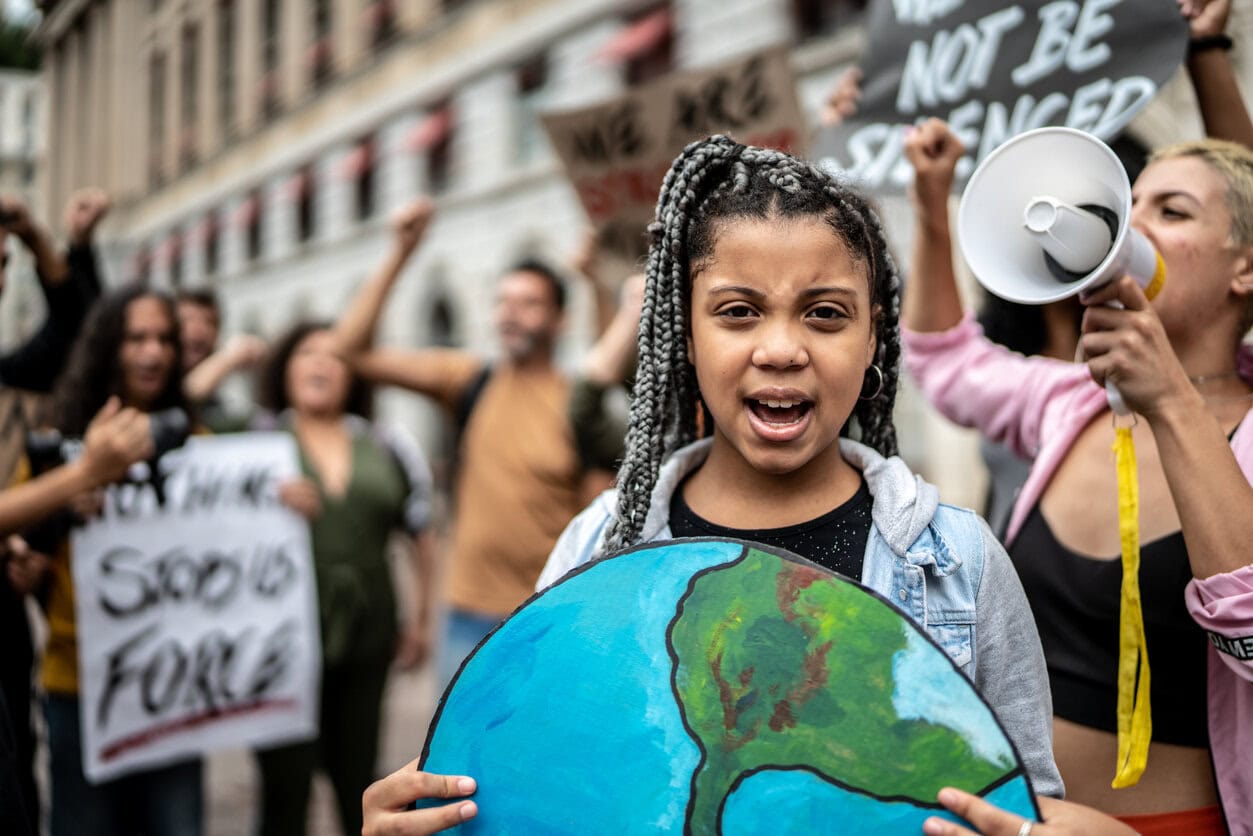
Climate change is currently one of the biggest threats to modern society. Decades of wanton and unsustainable consumption, rising levels of pollution, and zero concern towards the environment have taken a heavy toll on the Earth’s ecosystems. Delicate balances and processes have undergone major upheavals as evidenced by major changes in established climate change patterns such as El Nino and La Nina.
Climate pattern changes have led to devastating floods all over the world, from Europe & Asia all the way to the Americas. Global warming is making hurricanes and tropical storms much deadlier and has turned 2024 into the world’s hottest year on record to date.
The ripple effect of climate change has become severe enough to put even education systems under threat. Devastating floods in poorly developed countries are preventing many from attending classes & assessments, leaving no other choice but to ponder, “Where can I hire someone to take my exam?” Economic losses and uncertainty have blurred prospects and put careers at risk. Unless effective steps are taken, climate change will go on to hamper the fundamental right to education of children in economies around the world.
How drastic and devastating of an impact is climate change having on educational systems all over? This article takes a concerning look.
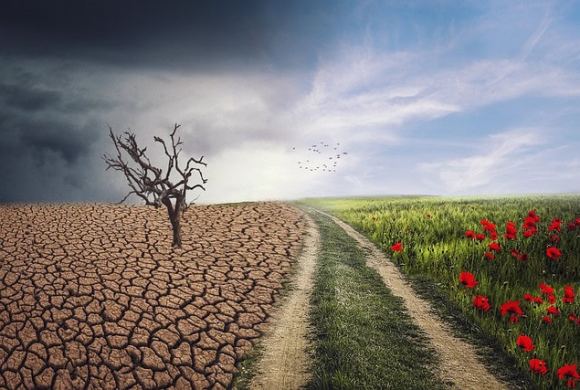
Education Under Siege
Academic struggles compel students to drop ”do my computer science assignment” with professional academic services like MyAssignmentHelp. These are cries for help from living entities who are unable to function properly due to some reason or other.
Climate change and global warming are cries for help from a burdened & stressed planet Earth. They are symptoms of long-term and ongoing damage & clear indicators of adverse changes in the Earth’s ecosystems, weather patterns, and critical subsystems. Gone are all times of all those doomsday predictions; climate change is affecting society right now with education systems being one of the most prominent aspects affected.

According to UNESCO, ecosystem losses due to climate change displaced near about 17.2 million people in 2018. 2020 witnessed the number jump to 30.7 million. It is no wonder that displaced populations are facing immense vulnerabilities in terms of access to basic educational facilities, loss & lack of infrastructure, loss of income & poverty, dropouts, etc.
- Climate change has disrupted schooling in all its forms in countries around the world. Countries like Yemen, Nigeria, Haiti, Sudan, Pakistan, India, Chad, Somalia, Syria, etc. Children and learners from the socio-economic strata are the most vulnerable, thanks to the combined onslaught of habitat and economic losses.
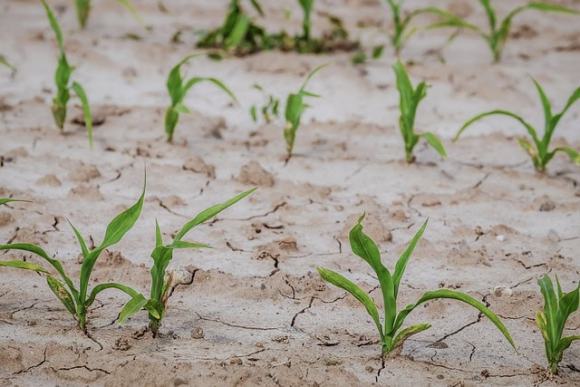
- Crop failures due to drought and floods have resulted in disruptions in income across farming & related low-income communities. This impacts their access to education as learning takes a backseat in the face of sheer economic uncertainty.
- The loss of infrastructure and the use of school facilities for emergency sheltering has led to widespread and, oft, permanent shutdowns.
- When it comes to impacts on education and access to education, climate-displaced populations face similar predicaments to refugees. However, unlike other displaced populations, climate-displaced families do not enjoy any explicit right to residency and education.
Education is truly under siege as climate-change-induced socio-economic & ecosystem damages become more & more prominent. Entire generations are affected as they lose livelihoods and their fundamental right to education.
Climate Change Disruptions Pushing Back Education Levels by Decades
The past two decades witnessed nearly five million people being affected by extreme weather events. Schools, colleges, and the basic academic infrastructure have suffered drastically in the most vulnerable ecosystems & regions around the world. India, Bangladesh, Haiti, Bahamas, Sudan, Yemen, Nigeria, Indonesia, and numerous developing & under-developed countries around the world have witnessed several extreme weather events, the results of which have devastated settlements & infrastructures all over.
- The 2013 floods in Jakarta, Indonesia, had shut down numerous schools. Severe disruptions ensued as schools were being used as emergency shelters, and classes were closed indefinitely.
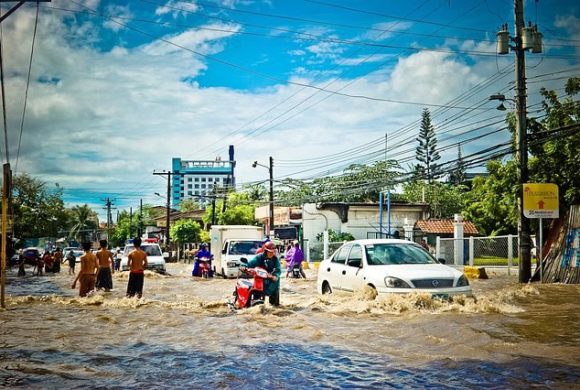
2024 witnessed massive floods all across the world and billions of dollars in damages. Southern China, UAE, Northern India, Pakistan, South America, Philippines – countries and regions all around the world had their basic infrastructure damaged due to human-induced climate changes.
- Climate-change-induced migrations disrupted the education of families and even their future generations.
- Poverty due to loss of livelihood creates a near-insurmountable obstacle to a student’s access to education.
- South & Southeast Asia, Australasia, the Caribbean, East Africa, Middle East – these regions are soem of the most prone to climate change. Each of these regions comprises numerous under-developed countries that do not possess the necessary resources to shore up against extreme weather events and their dire short-term & long-term consequences.
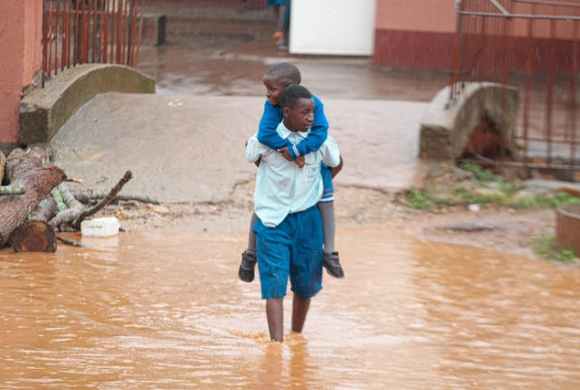
Climate change is ONE of the biggest detrimental factors affecting educational systems around the world. Unfortunately, there is inadequate research regarding the quantitative and qualitative assessment of its direct and indirect impacts on academic infrastructure and, even more so, on one’s right to education. However, the consequences are very prominent and dire, & unless major steps are taken across all levels, things are only going to get worse.
Hope this article was an informative read for everyone. Even the minutest bit of positive action can pay off in the long run: reduce your carbon footprint by saving fuel & electricity, don’t pollute the environment, and educate others about climate change as much as possible.
All the best!
Leave a Reply