


Proper disposal and recycling of hot tubs are crucial for minimizing environmental impact and promoting sustainability. Here’s an in-depth look at the process, options, and regulations involved in the recycling and disposal of hot tubs in Canada.
1. Assessing the Condition of the Hot Tub
- Reusability: Determine if the hot tub can be refurbished or reused. Often, minor repairs or updates can extend its life.
- Donations: If the hot tub is still functional, consider donating it to organizations or individuals in need. Schools, community centers, or charities may benefit from such donations, ensuring the hot tub serves a purpose rather than becoming waste.

2. Disassembling the Hot Tub
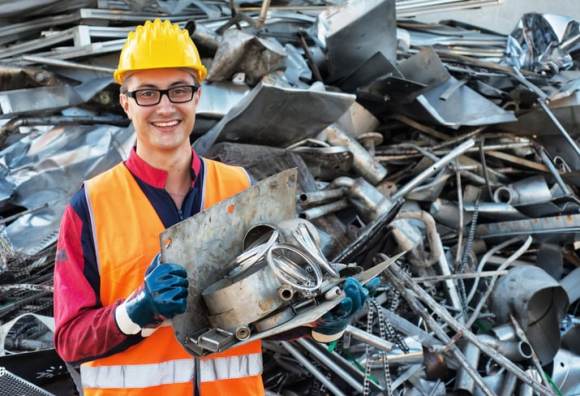
- Materials Separation: Hot tubs are composed of various materials including acrylic, fiberglass, wood, metal, and electronic components. Separating these materials is essential for recycling.
- Hazardous Components: Properly handle and dispose of hazardous components like electrical wiring, pumps, and heaters. These parts require special attention to prevent environmental contamination.
3. Recycling Options
- Local Recycling Centers: Many local recycling centers accept parts of hot tubs, especially metals and plastics. Check with your local municipality for specific guidelines.
- Specialized Companies: Some companies specialize in hot tub removal and recycling. They often handle the entire process, from disassembly to recycling, ensuring all parts are managed responsibly.
4. Environmental Considerations
- Reducing Landfill Waste: Proper recycling prevents hot tubs from ending up in landfills, reducing environmental pollution.
- Energy Savings: Recycling materials such as metals and plastics saves energy compared to producing new materials. This contributes to lower greenhouse gas emissions and conserves natural resources.
5. Municipal Programs and Regulations
- Waste Management Programs: Many Canadian municipalities have waste management programs that include the recycling of bulky items like hot tubs. Contact your local waste management authority for information.
- Regulations: Be aware of any specific regulations regarding the disposal of large appliances and electronic waste in your area. Compliance with these regulations is essential to avoid fines and ensure environmentally sound practices.
6. Sustainable Disposal Practices
- Eco-Friendly Removal Services: Hire eco-friendly removal services that prioritize recycling and proper disposal. These services ensure that the hot tub is dismantled and recycled according to best environmental practices.
- DIY Disposal: If you choose to dismantle the hot tub yourself, ensure that you follow proper safety protocols and recycling guidelines. This includes safely removing and recycling components like motors, pumps, and covers.
7. Cost Considerations
- Service Fees: Professional removal and recycling services may charge a fee. Compare costs and services to find the best option. Consider the long-term environmental benefits and potential cost savings from rebates or reduced disposal fees.
- Potential Rebates: Some municipalities offer rebates or incentives for recycling large items. Check with your local government to see if you qualify for any financial incentives.
8. Case Studies and Success Stories
- Community Initiatives: Highlight examples of successful community initiatives that have effectively managed hot tub recycling and disposal. These case studies can provide valuable insights and inspire similar efforts in other regions.
- Innovative Recycling Techniques: Discuss innovative methods being used in Canada to recycle hot tubs and their components. Advances in recycling technology can make the process more efficient and environmentally friendly.

9. Educational Resources
- Workshops and Guides: Attend workshops or access online guides on hot tub recycling and disposal. These resources can provide practical tips and detailed instructions on the best practices for recycling hot tubs.
- Awareness Campaigns: Participate in or support campaigns that raise awareness about the importance of proper hot tub disposal. Community engagement and education are key to promoting sustainable practices.
10. Future Trends
- Advancements in Recycling Technology: Stay informed about new technologies and methods that make hot tub recycling more efficient and environmentally friendly. Innovations such as automated disassembly and advanced material recovery processes can significantly improve recycling rates.
- Policy Developments: Keep an eye on policy changes and new regulations that may impact hot tub disposal practices in Canada. Staying updated on legislative developments ensures compliance and helps advocate for more sustainable waste management policies.
Expert Opinion
Dr. Sarah Mitchell, an environmental scientist specializing in waste management, emphasizes the importance of responsible hot tub disposal:
“Proper disposal and recycling of hot tubs are crucial for minimizing their environmental impact. Hot tubs contain a variety of materials that, if not handled correctly, can contribute to pollution and waste. By recycling these materials, we not only reduce landfill waste but also conserve resources and reduce the energy required for manufacturing new products. Consumers and municipalities must work together to ensure that hot tubs are dismantled and recycled responsibly. Education and awareness are key components in this process, helping to foster a culture of sustainability and environmental stewardship.”
SkyBlue Hot Tubs: A Premium Hot Tub Brand in Canada

SkyBlue Hot Tubs is not your average hot tub brand. After extensive research and identifying gaps in the industry, SkyBlue Hot Tubs was born, bringing a unique touch to the market. As a premium brand, nothing is missing or overlooked. The design and functionality cater to both users and service professionals, ensuring a superior experience. Their products are available for consumers via Toronto Pool Supplies, an online store that offers Canada-wide shipping.
Additionally, PPEX, a reputable distributor, plays a pivotal role in making SkyBlue hot tubs accessible to a broader market. If you want to become a dealer and purchase hot tubs at a special price, please contact them.
Conclusion
Recycling and proper disposal of hot tubs are essential for environmental sustainability in Canada. By understanding the options, following regulations, and adopting sustainable practices, individuals and communities can significantly reduce the environmental impact of hot tub disposal. As advancements in recycling technology and increased awareness continue to grow, the future looks promising for more eco-friendly hot tub disposal methods.
Leave a Reply