


Ever feel that familiar pang of guilt when that hefty utility bill arrives? We’ve all been there. But what if there was a way to shrink that bill and simultaneously save Mother Nature? Well, there are some adopting smart energy-saving habits that can reduce utility bills and contribute to a greener planet. Implementing these small changes in our daily routines, we can collectively reduce global energy consumption by a whopping 30%! That’s a massive impact with some simple tweaks, right?
Are you wondering what tips or tweaks you need to adapt? Relax! In this post, we’ll share easy-to-follow tips that will slash your energy use and keep more green in your wallet and the planet!
So grab a cup of coffee, and let’s get started!
Start with a Professional Home Energy Audit
The first step to effective energy management is understanding your current energy consumption. A professional home energy audit can pinpoint exactly where your energy is being used and wasted. During the audit, an energy expert will evaluate your home’s energy usage, checking for leaks, insulation problems, and inefficiencies in your heating and cooling systems.
They use advanced modeling techniques and statistical data to create a customized consumption model for your home. This model factors in current rates for energy generation, distribution, transmission, taxes, and fees to develop an accurate yearly energy cost. This detailed information lets you make informed decisions about upgrades and repairs. This can help you establish fixed, predictable monthly payments and make wise investment choices to reduce consumption and save money.

Harness the Power of Renewable Energy
Switching to renewable energy sources like solar panels is a game-changer for both the environment and your finances. While the initial investment might seem steep, the long-term savings and benefits are substantial.
Solar panels, for instance, significantly reduce your reliance on grid electricity and can even produce surplus power that you can sell back to the grid. Many governments offer incentives and rebates to offset the installation costs, making it more affordable.
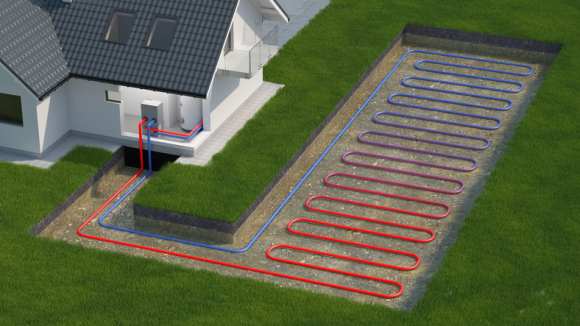
Beyond solar, consider other renewable options like wind or geothermal energy, depending on your location and resources. These renewable energy sources lower your energy bills and decrease your carbon footprint, contributing to a healthier planet.
So, start exploring the renewable energy options available today and take the first step towards a greener, more cost-effective lifestyle.
Invest in Energy-Efficient Appliances
Older appliances typically consume more electricity, which can drive up your utility bills. On the other hand, energy-efficient models are designed to use less power without sacrificing performance. Look for appliances with the Energy Star certification since it signifies compliance with stringent energy efficiency standards established by the Environmental Protection Agency of the United States.
Switching to LED light bulbs is another effective measure. LEDs use up to 75% less energy than traditional incandescent bulbs and last much longer, reducing the frequency and cost of replacements. According to the U.S. Department of Energy, if every American home replaced just one incandescent bulb with an LED, it would save enough energy to light 2.6 million homes annually.
By investing in energy-efficient appliances, you’ll reduce your energy bills and carbon footprint. It’s a win-win for your wallet and the environment.

Optimize Your Home’s Insulation
Proper insulation helps maintain an unvarying indoor temperature, keeping your home warm in the winter and cool in the summer. This reduces the need for excessive heating and cooling, which are among the most significant energy expenses for most households.
Start by insulating your attic, walls, and floors. The attic is especially crucial, as heat can easily escape through the roof. Adding insulation here can significantly improve your home’s energy efficiency. Use weather stripping around doors and windows to prevent drafts and seal gaps or cracks to stop air leaks.
Additionally, consider using insulated curtains to keep out the cold during winter and the heat during summer. According to the U.S. Department of Energy, improving insulation and sealing air leaks can save homeowners up to 15% on heating and cooling costs annually. Investing in proper insulation not only reduces energy waste but also makes your home more comfortable and environmentally friendly. By taking these steps, you can enjoy a more energy-efficient home and see noticeable savings on your energy bills.

Reduce Water Heating Costs
Reducing water heating costs is an effective way to save energy and money. Start by setting your water heater to 120 degrees Fahrenheit. This temperature is hot enough for everyday use but saves energy compared to higher settings. Insulate your water heater and the first few feet of hot water pipes to prevent heat loss. Installing low-flow showerheads and faucets can also reduce the amount of hot water used without sacrificing water pressure.
Consider investing in a tankless water heater, which heats water on demand, rather than maintaining a reservoir of hot water. This can significantly reduce energy usage, as you only heat water when you need it. According to the U.S. Department of Energy, tankless water heaters can be 24%- 34% more energy-efficient than traditional storage tank water heaters for homes that use 41 gallons or less of hot water daily. So, why not give it a try?
Wrapping Up
By embracing these energy-saving tips, you’ll lower your bills and make a real difference for the planet. So, start today and see how these simple tweaks can benefit both your wallet and the Earth.
Remember, every bit of energy saved contributes to a healthier environment and a more sustainable future.
Leave a Reply