


Energy professionals, utility managers, and policymakers face significant challenges in securing smart grids against cyber threats. As power systems increasingly interconnect and digitalize to support sustainable and efficient energy delivery, they also become more vulnerable to cyber-attacks.
This article addresses the critical need to protect energy assets while maximizing the benefits of smart grid technology. It explores effective strategies, cutting-edge technologies, and collaborative approaches to enhance smart grid cyber resilience, aiming to ensure a secure and sustainable energy future.
What is a Smart Grid?
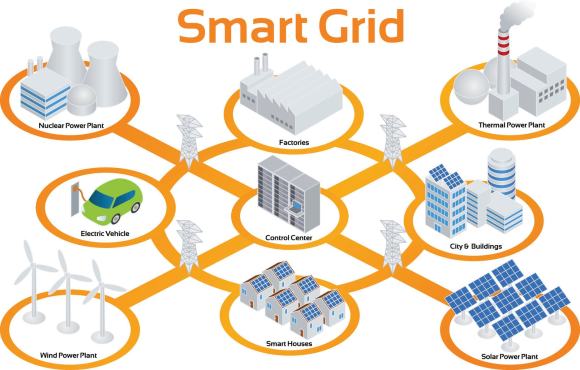
A smart grid is an advanced electrical grid that uses digital technology to monitor, control, and optimize the generation, distribution, and consumption of electricity. Unlike traditional power grids, smart grids enable two-way communication between utilities and consumers, allowing for more efficient energy management and real-time response to changes in electricity demand.

The Role of Smart Grids in Sustainable Energy
Smart grids play a pivotal role in the transition to sustainable energy systems. They facilitate the integration of renewable energy sources, such as solar and wind power, by managing their intermittent nature and balancing supply with demand. In addition, smart grids enable demand response programs, energy storage solutions, and electric vehicle charging infrastructure, all essential for a low-carbon future.
Enhancing Smart Grid Cyber Resilience
The first step in enhancing smart grid cyber resilience is conducting comprehensive risk assessments and vulnerability analyses. This process involves identifying critical assets and systems, evaluating potential threats and vulnerabilities, assessing the potential impact of cyber attacks, and prioritizing risks based on likelihood and severity.
Regular risk assessments help utilities stay ahead of evolving threats and allocate resources effectively. Protecting smart grids from cyber threats requires a multi-layered security approach. Key security measures include network segmentation, strong encryption protocols, strict access control mechanisms, and deploying advanced firewalls and intrusion detection systems.
OT (Operational Technology) plays a vital role in this process, as OT cybersecurity focuses on safeguarding the systems that monitor and control the physical devices and processes within the grid. Utilities should also focus on using secure communication protocols and maintaining regular software updates and patch management practices.
Even with robust security measures in place, it is crucial to prepare for potential cyber incidents. Developing comprehensive incident response and recovery plans involves establishing clear roles and responsibilities for incident response teams and creating detailed procedures for detecting, containing, and mitigating cyber attacks.
Regular drills and simulations should be conducted to test response capabilities, and backup and recovery systems should be implemented to ensure quick restoration of critical services. Enhancing smart grid cyber resilience requires a holistic approach that goes beyond technical measures. Fostering a culture of cybersecurity within organizations is essential.
This involves providing regular cybersecurity training for employees at all levels, encouraging the reporting of suspicious activities or potential vulnerabilities, and implementing strict policies and procedures for handling sensitive information.
Promoting collaboration between IT, OT, and security teams, as well as regularly reviewing and updating security policies, are also crucial steps in building a strong cybersecurity culture.
| Aspect | Description | Key Technologies/Approaches |
| Risk Assessment | Identifying vulnerabilities and potential impacts | AI-powered threat analysis, Regular audits |
| Security Measures | Multi-layered protection strategies | Network segmentation, Encryption, Access control |
| Incident Response | Preparedness for cyber attacks | Drills, Simulations, Backup systems |
| Advanced Technologies | Cutting-edge solutions for enhanced security | AI/ML, Blockchain, IoT security |
| Regulatory Compliance | Adherence to standards and regulations | ISO/IEC 27001, IEC 62351, NIST Framework |
| Collaboration | Information sharing and joint efforts | Public-private partnerships, International cooperation |
| Future Readiness | Preparing for emerging challenges | 5G, Quantum computing, Edge computing adaptation |
Cyber Threats to Smart Grids
Smart grids are susceptible to various cyber threats, including Denial of Service (DoS) attacks, Man-in-the-Middle (MitM) attacks, malware infections, data breaches, phishing, and insider threats. These attacks can target different components of the smart grid, from smart meters and substations to control centers and communication networks.
Successful cyber attacks on smart grids can have severe and far-reaching consequences. They may lead to power outages and blackouts, causing financial losses for utilities and consumers. Critical infrastructure could be damaged, and customer data and privacy might be compromised. Such incidents can result in a loss of public trust in the energy sector and potentially impact the environment due to disrupted renewable energy integration.

Leveraging Advanced Technologies for Enhanced Resilience
Artificial Intelligence (AI) and Machine Learning (ML) technologies can significantly enhance smart grid cyber resilience. These technologies can detect anomalies and potential threats in real time, predict and prevent cyber attacks before they occur, and automate incident response and recovery processes. AI and ML can also optimize security configurations based on evolving threat landscapes, providing a more proactive approach to cybersecurity.
Blockchain technology offers promising applications for improving smart grid security. It can enhance data integrity and transparency in energy transactions, secure communication between grid components, and facilitate secure peer-to-peer energy trading in decentralized energy systems. Additionally, blockchain can provide immutable audit trails for regulatory compliance, further strengthening the overall security posture of smart grids.
As smart grids increasingly rely on Internet of Things (IoT) devices, ensuring their security is crucial. Key considerations include implementing secure boot and firmware update mechanisms, employing device authentication and access control, and encrypting data at rest and in transit. Regular security assessments of IoT devices and networks are also essential to maintain a robust security posture.
Regulatory Frameworks and Standards
Several international standards provide guidelines for enhancing smart grid cyber resilience. These include ISO/IEC 27001 for Information Security Management Systems, IEC 62351 for Power Systems Management and Associated Information Exchange, the NIST Framework for Improving Critical Infrastructure Cybersecurity, and IEEE 1686 for Substation Intelligent Electronic Devices Cyber Security Capabilities. Adhering to these standards helps ensure a consistent and comprehensive approach to smart grid security.
Governments worldwide are recognizing the importance of smart grid cyber resilience and are implementing regulations to address this critical issue. Examples include the European Union’s Network and Information Security (NIS) Directive, the United States’ North American Electric Reliability Corporation (NERC) Critical Infrastructure Protection (CIP) standards, and Australia’s Security of Critical Infrastructure Act. These regulations establish minimum security requirements and promote information sharing among stakeholders.

Collaboration and Information Sharing
Enhancing smart grid cyber resilience requires collaboration between government agencies, utilities, technology providers, and academic institutions. Public-private partnerships can facilitate the sharing of threat intelligence and best practices, pool resources for research and development of advanced security solutions, and coordinate response efforts during large-scale cyber incidents.
International cooperation is essential as cyber threats to smart grids often transcend national boundaries. Key areas for collaboration include sharing threat intelligence and attack patterns, developing common security standards and protocols, coordinating law enforcement efforts to combat cybercrime, and providing mutual assistance during major cyber incidents.
Future Challenges and Opportunities
As smart grids continue to evolve, new technologies will present both challenges and opportunities for cyber resilience. These include 5G networks, quantum computing, edge computing, and advanced sensors and IoT devices. While these technologies offer improved connectivity and processing capabilities, they also introduce new potential vulnerabilities that must be addressed.
The cyber threat landscape is constantly evolving, requiring ongoing adaptation and innovation in smart grid security. To stay ahead of emerging threats, it’s crucial to develop proactive and adaptive security measures, invest in research and development of next-generation security technologies, and foster a global culture of cybersecurity awareness and cooperation.
Conclusion
This article has outlined key strategies for enhancing smart grid cyber resilience. The challenges are significant, but so are the opportunities for innovation and collaboration. Implementing robust security measures, leveraging advanced technologies, and fostering a strong cybersecurity culture can help build resilient smart grids that support sustainable energy goals.
The security of our energy infrastructure is a shared responsibility, requiring collective action to ensure a reliable, efficient, and sustainable energy future.

Frequently Asked Questions
How can AI enhance smart grid security?
- AI can detect anomalies, predict potential threats, and automate incident response, improving overall grid security.
What role do international standards play in smart grid cybersecurity?
- International standards provide guidelines and best practices for implementing consistent and comprehensive security measures across smart grid systems.
How can individuals contribute to smart grid cyber resilience?
- Individuals can stay informed about cybersecurity best practices, report suspicious activities, and participate in energy conservation programs that support grid stability.
Leave a Reply