

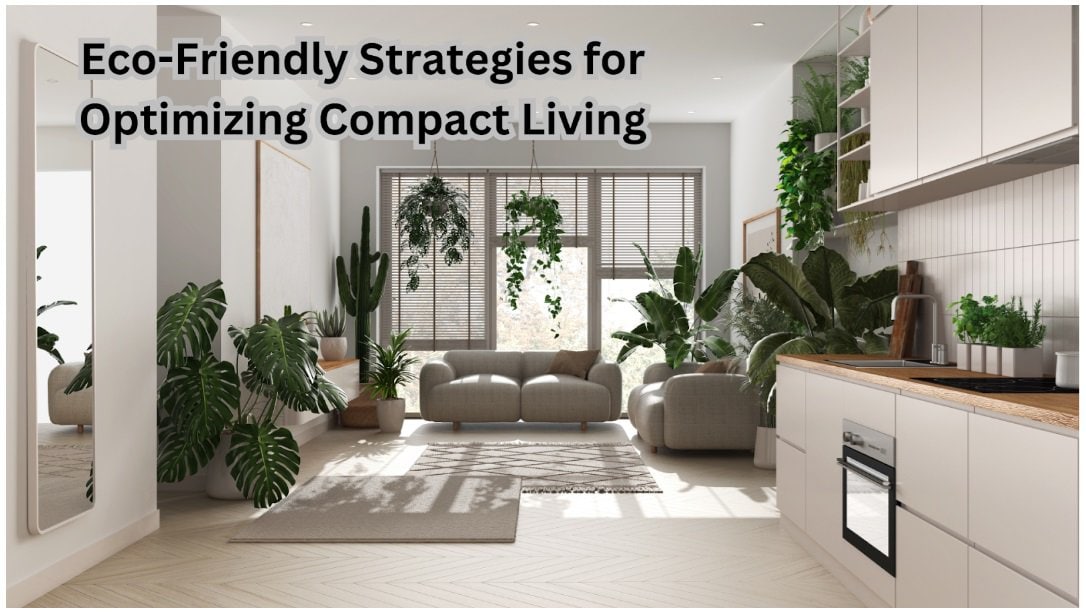
How can we make the most of every inch in a small home while being environmentally responsible? What creative, eco-friendly ideas can turn this compact space into a functional and comfortable haven? With space and resources at a premium, how can mindful, eco-friendly design decisions and innovative strategies enhance our living environment and reduce our environmental impact?
Embrace Eco-Friendly Multi-Functional Furniture
Space-saving furniture is essential for small homes. Pieces like sofa beds and storage ottomans are space-saving champions. Choosing furniture made from recycled materials is both practical and planet-friendly. Bring the outdoors in with houseplants to create a lively and sustainable space.
Prioritize eco-friendly materials and minimalist designs to reduce waste. Neutral tones and clean lines create a spacious feel while aligning with environmentally conscious living. This approach fosters a healthier home and environment.
Consider floating desks, fold-down tables and furniture pieces for small spaces to save floor space. These can be easily stored away when not in use, maintaining a tidy room. Also, select beds made from eco-friendly materials, with built-in storage or raised designs, to maximize space and minimize your environmental impact.
Maximize Vertical Space with Eco-Conscious Solutions
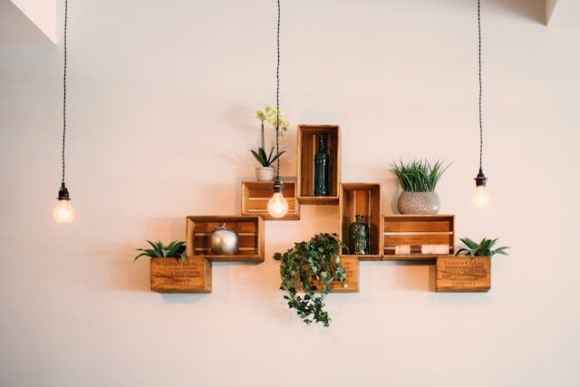
Tall shelves and cabinets are game-changers for small spaces. They not only free up valuable floor space but also help keep your home tidy. They not only free up valuable floor space but also help keep your home tidy and align with nature-friendly practices.
Floating shelves are excellent for displaying items and storing books without taking up too much floor space. This approach is particularly beneficial in Betenbough Homes, where innovative design is a hallmark.
In the kitchen, wall-mounted racks can keep pots, pans, and utensils neatly arranged, while magnetic strips offer a sleek way to store knives. This strategy harmonizes with sustainable living ideas, resulting in homes that are both fashionable and environmentally responsible, fostering a harmonious connection with nature.
Opt for Eco-Conscious Built-In Storage Solutions

By utilizing every corner, you can maximize space while minimizing your environmental impact. Opt for custom cabinetry made from sustainable materials like reclaimed wood or bamboo.
For instance, under-stair storage and built-in benches offer both style and practicality. In bedrooms, sustainable wardrobes and shelving provide functional and eco-friendly storage solutions.
Choose Energy-Efficient Space Solutions
For an eco-friendly approach in small spaces, consider energy-efficient door solutions. Sliding doors and pocket doors, which don’t require extra clearance, are efficient in maximizing usable space.
Opting for these doors reduces the need for additional materials and energy compared to traditional hinged door mechanisms. Choosing doors made from reclaimed wood or other sustainable materials reduces environmental impact while improving your home’s functionality and aesthetics.
Embrace a Streamlined, Green Design
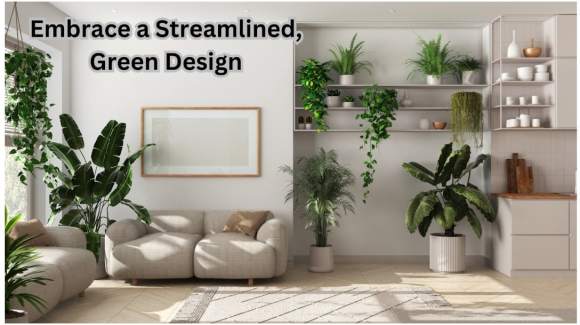
Choosing a streamlined design for a small space can significantly boost its functionality while supporting eco-friendly living. By removing excess items and concentrating on essential, multi-purpose furniture, you reduce clutter and create a more open and inviting atmosphere. This approach not only makes the most of your space but also helps cut down on waste and conserve resources.
Opt for furnishings and decor crafted from recycled or sustainable materials, and maintain a tidy space with minimalist designs. Neutral tones and clean patterns give your home a serene, spacious vibe. Enhance the atmosphere with a variety of plants to bring life to your space. This approach not only creates an attractive environment but also benefits the planet.
Maximize Light and Space with Reflective Design
Mirrors can work wonders for your home and the environment. By placing them carefully, you can bring in more natural light, which means less need for electric lights. This saves energy and makes your space feel bigger and brighter.
For instance, a mirror opposite a window can flood a room with daylight. Also, choosing recycled mirrors adds style and sustainability to your home.
Incorporate Eco-Conscious and Expandable Furniture
Versatile furniture pieces that can be rearranged are perfect for any space. Tables that expand when needed are ideal for entertaining without taking up too much room. Choosing reclaimed wood adds a sustainable touch.
Storage units that can grow with you are a smart choice for families or anyone who likes to change things up. These pieces are not only good for the environment but also practical for everyday life.
Design Green Outdoor Spaces
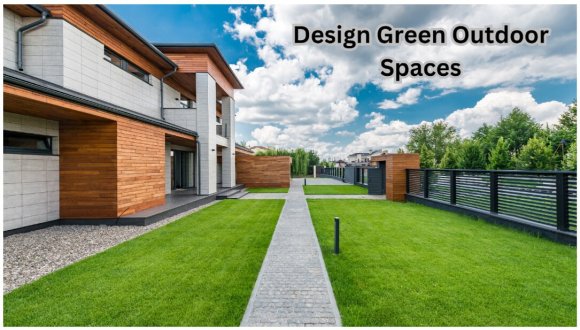
Smart furniture like storage benches maximizes space while keeping things organized. Add a touch of nature with vertical gardens and wall planters. Complete the look with cozy rugs and warm lighting to create a relaxing and inviting atmosphere perfect for entertaining or simply unwinding.
For added comfort, consider weather-resistant outdoor cushions and throws. To enhance your outdoor experience, install a small water feature or wind chimes for a soothing atmosphere
Utilize Sustainable Home Technology
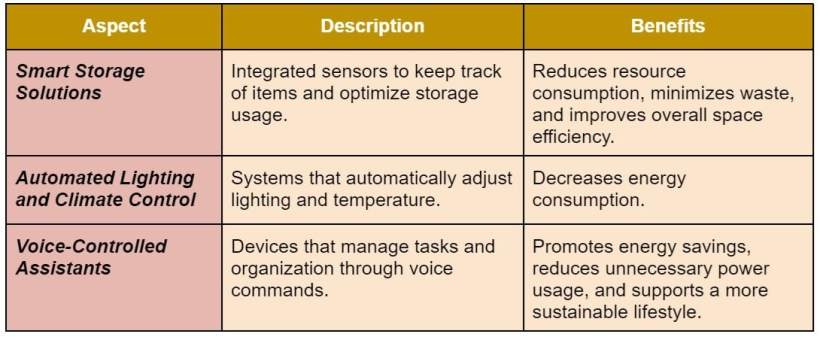
Sustainable home technology improves small space efficiency and reduces environmental impact. Energy-efficient smart storage solutions with sensors help monitor and optimize usage, minimizing waste. Solar-powered lighting and smart climate control systems not only improve comfort but also lower energy consumption. Eco-friendly voice-control assistants can manage tasks efficiently, promoting a greener lifestyle by reducing your home’s overall carbon footprint.
Consider Sustainable Partitioning
Partitioning in small spaces can also be sustainable. Repurposed materials like old wood or furniture into movable dividers. Eco-friendly options such as bamboo screens, organic cotton curtains, or recycled metal bookcases can also create distinct spaces while being kinder to the planet. This approach is ideal for studios or open-plan layouts, providing distinct zones with a smaller carbon footprint.
Enhancing Small Homes with Eco-Friendly Smart Home Technology
Conclusion
Efficient space use in a small home can be improved with eco-friendly design. Choose multi-functional furniture made from sustainable materials, use vertical space with recycled items, and incorporate built-in storage with eco-friendly practices to create a comfortable and environmentally responsible living area.
FAQs
- How can eco-friendly furniture benefit small spaces?
It conserves resources and reduces waste by combining multiple functions into a single piece. - What are some examples of eco-friendly furniture?
We can prefer sofa beds from sustainable materials, storage ottomans from recycled resources, and teak wood desks. - How can we utilize empty space in an eco-friendly way? We can use shelves and racks made from recycled sourced materials.
Leave a Reply