

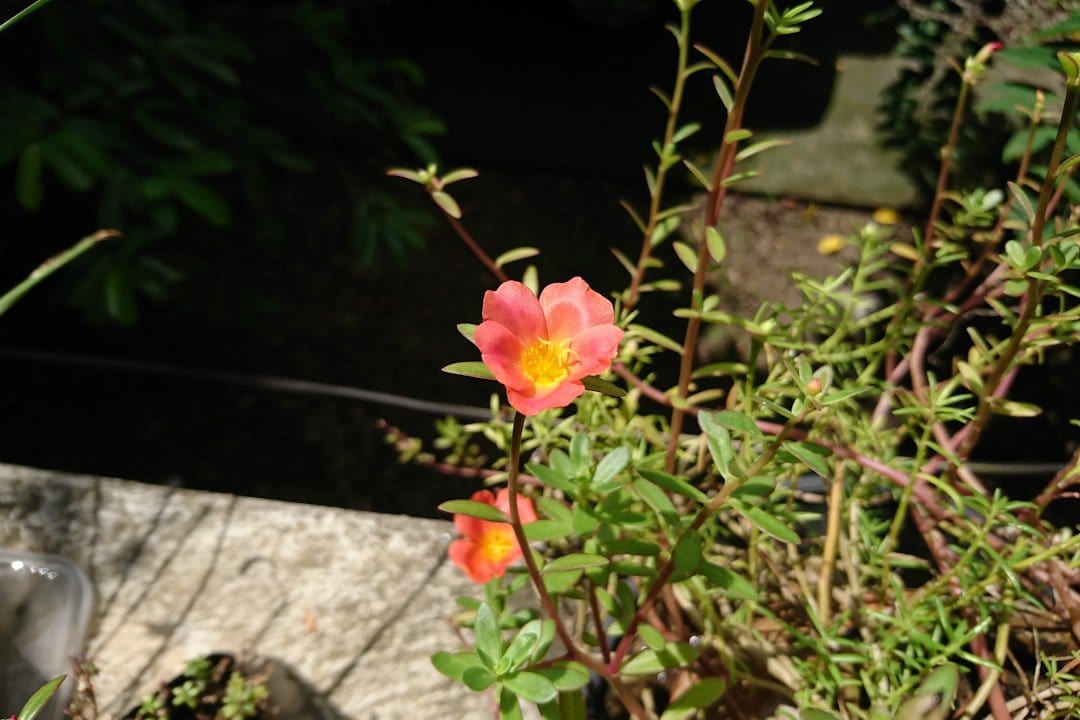
Purslane is a resilient and nutritious plant found across the globe. Although some view it as a pesky weed, this hardy plant is actually edible, healthy, and beneficial for the environment. Purslane has a long history of use in traditional cuisines and medicine, and its versatility continues to be appreciated in many parts of the world.
What Is Purslane?
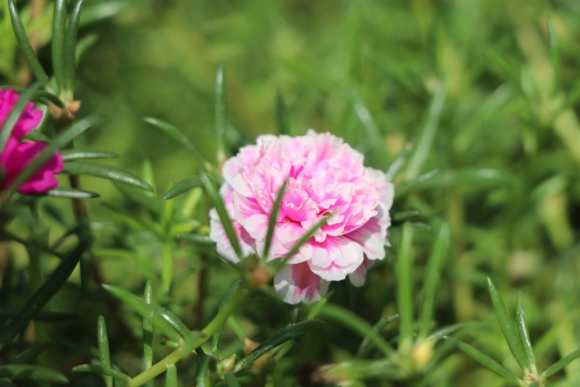
Purslane (Portulaca oleracea) is a small, succulent plant with round or oval leaves, thick stems, and tiny yellow flowers that bloom during warm seasons. It’s easy to spot thanks to its reddish stems, fleshy green leaves, and low-growing, mat-like shape, which helps it spread across surfaces like garden beds, fields, and even the cracks in sidewalks.
Native to the Mediterranean and parts of Asia, purslane has adapted to grow in both tropical and temperate climates, allowing it to thrive on nearly every continent.
As a succulent, purslane can store water in its leaves, giving it the ability to survive in hot, dry conditions where other plants may struggle. This trait allows it to grow in poor soils with minimal care, and it’s known for its ability to withstand harsh environments. While some people may pull it up as a weed, others prize purslane for its unique taste and nutritional value.
In many cultures, purslane has a long history as a nutritious food source. Ancient Greeks and Romans ate purslane for its health benefits, while Indigenous peoples in North America used it for medicinal purposes. Today, purslane is still highly regarded as a health-boosting addition to meals.
Uses of Purslane

Culinary Uses
Purslane is entirely edible, with both the leaves and stems being used in a variety of dishes. The plant has a subtly sour and slightly salty flavor, which adds a pleasant taste to salads, soups, and stews. Here are some popular ways purslane is enjoyed around the world:
- Salads and Raw Dishes: In the Mediterranean, purslane is a common ingredient in fresh salads, adding a refreshing crunch and mild tartness.
- Cooked Vegetables: In Indian and Middle Eastern cooking, purslane is sautéed with garlic, spices, or other leafy greens, adding flavor and nutrients to traditional dishes.
- Soups and Stews: Purslane is added to soups in Mexican and Greek cuisines, where it’s often combined with beans, tomatoes, and meat for a hearty, nutritious meal.
- Sandwiches and Wraps: In some countries, purslane is used as a crunchy topping for sandwiches, wraps, or even tacos, giving a slight acidity and fresh texture.
This versatile plant is also pickled in some cultures, adding a burst of flavor to meals throughout the year. Its unique taste, combined with its impressive nutritional profile, makes it a valuable addition to various culinary traditions.
Nutritional and Health Benefits
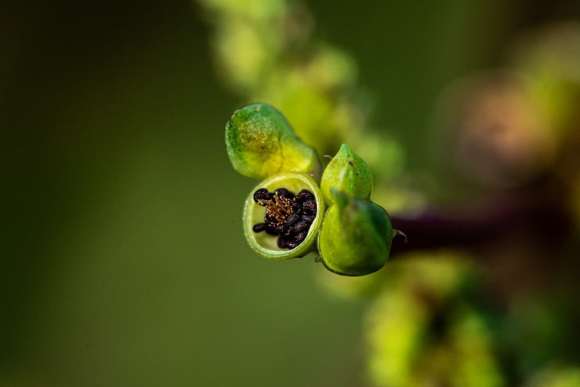
Purslane is a powerhouse of nutrients, providing several vitamins and minerals beneficial to health. A few key nutritional highlights include:
- Vitamins: Purslane is rich in vitamin A, vitamin C, and vitamin E, which are important for skin health, immune function, and protection against cellular damage.
- Omega-3 Fatty Acids: Unlike most leafy greens, purslane contains high amounts of omega-3 fatty acids, which are crucial for heart health and brain function. In fact, purslane has more omega-3s than spinach and most other leafy vegetables, making it a great plant-based source of these beneficial fats.
- Minerals: Purslane is also a good source of minerals like magnesium, potassium, and calcium, which support muscle function, heart health, and bone strength.
Beyond its nutrient content, purslane has been used in traditional medicine for centuries. People have utilized it to:
- Aid Digestion: Purslane’s fiber content helps improve digestion and may support gut health.
- Reduce Inflammation: Due to its antioxidants and omega-3 fatty acids, purslane may help reduce inflammation in the body.
- Treat Skin Conditions: Some traditional remedies involve using purslane juice or crushed leaves on the skin to soothe minor wounds, sores, or skin irritations.
With its rich array of nutrients and medicinal properties, purslane is considered a superfood that can benefit both overall health and specific ailments.
How Purslane Grows

Purslane is known for being one of the hardiest plants around. It grows well in warm, sunny environments, but can also thrive in dry, poor soils where other plants might struggle. This resilience allows purslane to pop up in unexpected places like sidewalks, roadsides, and vacant lots, earning it a reputation as an unyielding weed.
In gardens, purslane grows quickly and spreads across the ground, making it an excellent ground cover. Its small root system allows it to grow without requiring much water, which makes it ideal for low-maintenance gardens or areas with limited rainfall. Purslane is also a self-sowing plant, meaning that once it’s established, it will continue to produce seeds and regrow each year with little need for intervention.
Despite its “weed” status, many gardeners see the value in cultivating purslane. It’s easy to grow in home gardens, where it requires little more than occasional watering and plenty of sunlight. Because it spreads naturally, purslane can also fill in empty garden spaces, reducing the need for additional plants or weeding.
Purslane and the Environment

Purslane doesn’t only benefit people; it also plays a role in supporting the environment. Its flowers attract pollinators such as bees, butterflies, and other insects that help pollinate plants in surrounding areas. By providing nectar and pollen, purslane contributes to local ecosystems and supports pollinator populations that are important for food production.
Additionally, purslane is beneficial to soil health. Here’s how it supports the environment:
- Soil Protection: Purslane acts as a ground cover, which helps prevent soil erosion. Its low, mat-like growth covers the ground and stabilizes the soil, protecting it from being washed away by rain or blown away by wind.
- Soil Improvement: Purslane’s root system adds organic matter to the soil as it grows, enhancing soil fertility. It also retains moisture in the ground, making it useful in dry regions where maintaining soil moisture can be challenging.
- Companion Planting: Purslane can coexist with many other plants, making it a valuable companion plant in permaculture gardens. Its ground-covering ability helps reduce weeds, while its nutrient content enriches the soil, creating a better growing environment for nearby plants.
In recent years, purslane has gained attention as an eco-friendly addition to sustainable and permaculture gardens. By choosing to cultivate native plants like purslane, gardeners can create healthier ecosystems and reduce the need for water, fertilizers, and pesticides.
Purslane may be seen as a common weed, but it’s actually a remarkable plant with numerous benefits. From its nutritional richness and medicinal uses to its environmental contributions, purslane offers more than meets the eye.
Sources:
Leave a Reply