

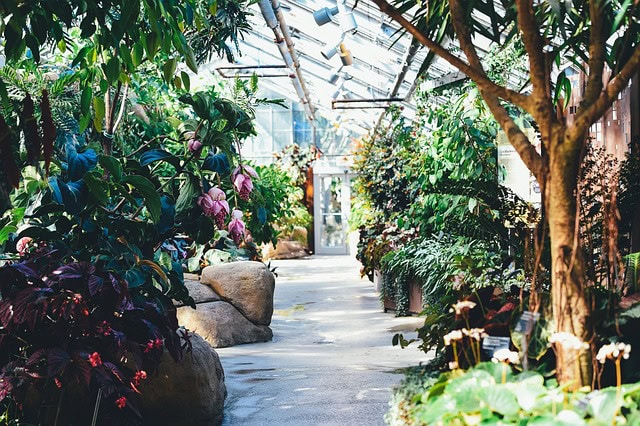
Greenhouses have experienced a surge in popularity, evolving from specialized gardening spaces into essential components of residential and commercial agriculture. These structures are meticulously crafted to provide ideal conditions for plant growth, appealing to a wide audience of gardeners, farmers, and environmental advocates.
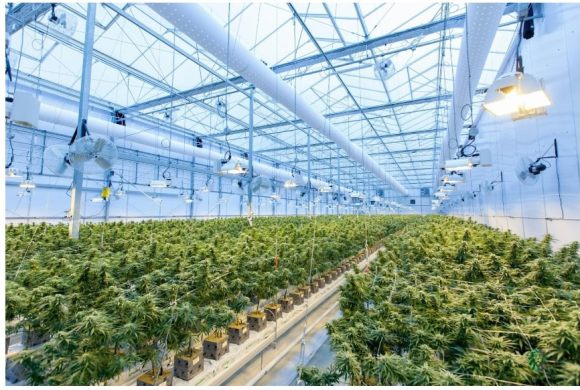
This blog delves into the factors driving this trend, exploring the versatile uses of greenhouses, their ecological benefits, and their role in advancing sustainable farming practices. As interest in locally sourced, environmentally conscious food production grows, greenhouses have emerged as pivotal tools in meeting these demands while fostering innovation in agricultural technology and efficiency.
Finding Insights into Greenhouses
Understanding greenhouses involves delving into their intricate designs and functionalities. When it comes to insights into greenhouses, we should know that each greenhouse type offers unique insights into how controlled environments optimize plant growth. From small-scale backyard setups to expansive commercial operations, the variety in greenhouse structures reveals different cultivation methods and environmental controls. Insights into greenhouse management encompass aspects like temperature regulation, humidity control, and light optimization, all crucial for maximizing crop yield and quality.
Research and innovation continuously enhance these insights, exploring sustainable practices such as hydroponics and organic farming within greenhouse settings. By studying these insights, both hobbyists and professionals gain valuable knowledge on adapting agricultural techniques to local climates and environmental conditions, thereby supporting efficient and eco-friendly food production initiatives.
The Appeal of Controlled Environments
One of the primary reasons for the popularity of greenhouses is their ability to provide a controlled environment for plants. Unlike open fields or gardens exposed to unpredictable weather conditions, greenhouses offer shelter from extreme temperatures, wind, rain, and pests. This controlled setting allows gardeners and farmers to cultivate a wider variety of plants throughout the year, regardless of seasonal changes or local climate constraints.
Extending the Growing Season
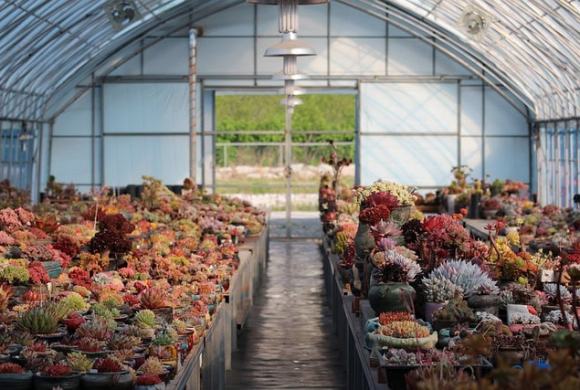
Greenhouses effectively extend the growing season, enabling cultivation beyond traditional outdoor limits. In colder climates, where frost can damage crops early in the season, greenhouses provide warmth and protection, allowing for earlier planting and later harvesting. This extension of the growing season not only increases overall productivity but also supports a more diverse range of crops that may not otherwise thrive in a particular region.
Enhanced Plant Quality and Yield
The controlled environment of greenhouses promotes optimal growing conditions, leading to enhanced plant quality and increased yields. With precise control over factors such as temperature, humidity, and light exposure, growers can fine-tune conditions to match the specific needs of their plants. This results in healthier, more vigorous growth and higher crop yields compared to traditional outdoor farming methods.
Environmental Benefits of Greenhouses
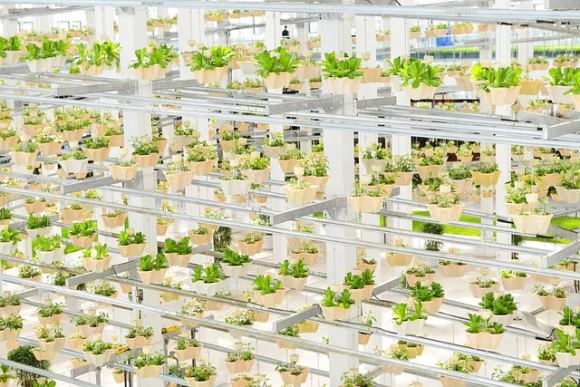
Beyond their productivity advantages, greenhouses offer significant environmental benefits. By minimizing the need for chemical pesticides and fertilizers, which can run off and pollute local waterways, greenhouse farming practices tend to be more sustainable and eco-friendly. Additionally, the controlled environment reduces water usage by minimizing evaporation and runoff, making greenhouse agriculture a more water-efficient option compared to conventional farming.
Supporting Sustainable Agriculture Practices
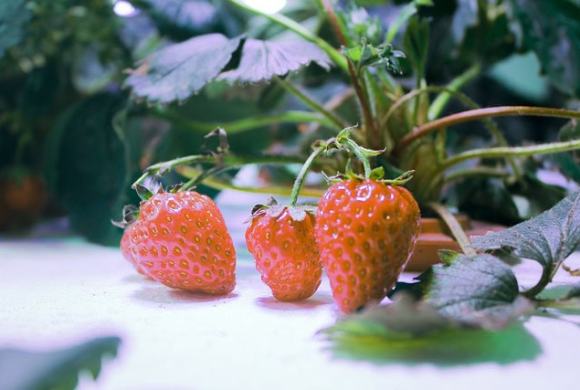
The shift towards sustainable agriculture has further fueled the popularity of greenhouses. Many modern greenhouses incorporate innovative technologies such as hydroponic or aquaponic systems, which use less water and fewer resources than traditional soil-based farming. These methods not only reduce environmental impact but also support organic farming practices by eliminating the need for synthetic chemicals.
Versatility in Design and Size
Another significant factor contributing to the widespread appeal of greenhouses is their remarkable versatility in design and size. Greenhouses are available in a wide range of configurations, from compact structures tailored for hobby gardening in backyard settings to expansive complexes utilized in large-scale commercial agriculture.
This diversity enables growers to precisely tailor their greenhouse setups to accommodate various plant species, available space constraints, and specific environmental requirements. Whether cultivating delicate herbs or robust vegetables, the adaptability of greenhouse designs empowers growers to optimize growing conditions and maximize productivity across different climates and growing seasons. This flexibility not only supports diverse agricultural practices but also underscores the role of greenhouses in fostering innovation and sustainability within the farming industry.
Education and Research Opportunities
Greenhouses also play a crucial role in education and research within the agricultural community. Many educational institutions and research facilities use greenhouses to conduct experiments, study plant biology, and develop new agricultural techniques. These controlled environments provide researchers with a controlled setting to manipulate variables and test hypotheses, contributing to advancements in crop science and sustainable agriculture practices.
Community and Local Food Production
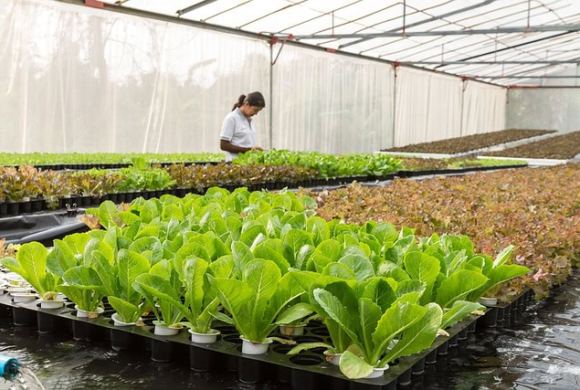
In recent years, there has been a growing movement towards local food production and community-supported agriculture (CSA). Greenhouses support this trend by enabling year-round production of fresh, locally grown produce. By reducing the distance that food travels from farm to table, greenhouse growers can supply their communities with nutritious fruits and vegetables while supporting local economies and reducing carbon emissions associated with transportation.
Economic Viability and Job Creation
From an economic perspective, greenhouses present viable business opportunities and play a crucial role in job creation within the agricultural sector. Small-scale greenhouse operations offer avenues for supplemental income, benefiting individuals and families interested in sustainable farming practices.
On a larger scale, commercial greenhouses significantly contribute to regional economies by generating employment in farming, distribution, and associated industries. This economic impact not only bolsters rural communities but also fosters agricultural diversity, promoting resilience and innovation in food production. By supporting local employment and economic growth, greenhouses underscore their importance in sustaining vibrant agricultural landscapes while meeting the increasing demand for locally sourced, high-quality produce.
Aesthetic and Recreational Value
Beyond their practical benefits, greenhouses also add aesthetic value to residential properties and public spaces. Many gardeners and homeowners appreciate the visual appeal of a greenhouse, which can serve as a focal point in a garden or backyard landscape. Additionally, greenhouses provide a peaceful and nurturing environment for hobby gardening and relaxation, offering individuals a therapeutic escape from the stresses of modern life.

In conclusion, the growing popularity of greenhouses can be attributed to their versatility, productivity advantages, environmental benefits, and support for sustainable agriculture practices. These structures not only extend the growing season and enhance crop yields but also promote resource efficiency and local food production.
As awareness of environmental issues continues to grow, greenhouses represent a practical and eco-friendly solution for meeting the global demand for fresh, nutritious food. Whether used for commercial farming, educational purposes, or personal enjoyment, greenhouses are poised to play an increasingly vital role in shaping the future of agriculture and food security worldwide.
Leave a Reply