


Reducing our carbon footprint is more important than ever. With climate change becoming a growing concern, it’s crucial for everyone to take steps to minimize their impact on the environment. Each of us can make a difference by adopting simple, everyday habits that collectively have a significant impact.
These tips are straightforward and can be implemented without drastic lifestyle changes. Let’s dive in and see how you can start making a positive impact on the planet today:
1. Embrace Renewable Energy
Switching to renewable energy sources is one of the most effective ways to reduce your carbon footprint. Renewable energy comes from natural sources like the sun, wind, and water. Unlike fossil fuels, renewable energy doesn’t produce harmful emissions that contribute to climate change.
Start by looking into solar panels for your home. They can significantly reduce your reliance on fossil fuels and lower your energy bills over time. Many regions offer incentives and rebates for installing solar panels, making them more affordable than ever.
If solar panels aren’t an option for you, consider purchasing green energy from your utility provider. Many companies now offer plans that allow you to support renewable energy projects. By making the switch, you’re contributing to a cleaner, greener future.

2. Educate & Advocate
Educating yourself and others about the importance of reducing carbon footprints can amplify your impact. Sharing knowledge and advocating for sustainable practices encourages more people to make environmentally friendly choices.
Start by staying informed about environmental issues and solutions. Participate in community events and workshops focused on sustainability. Share tips and information with friends and family to spread awareness. You can also consider pursuing an online sustainability masters degree to deepen your understanding and expertise in this field. Such a degree will equip you with advanced knowledge and skills to drive impactful environmental change.
Advocating for policies that support renewable energy, conservation, and sustainable practices is also crucial. Support organizations and initiatives that aim to protect the environment. Your voice and actions can inspire others and drive positive change.

3. Reduce, Reuse, Recycle
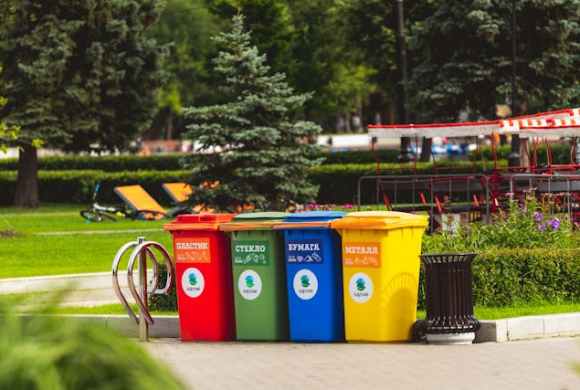
The principle of reducing, reusing, and recycling is fundamental to minimizing waste and conserving natural resources. By following these three simple steps, you can help reduce the amount of waste that ends up in landfills and decrease the demand for new products.
Start by reducing your consumption and think carefully before making new purchases and try to buy only what you need. When possible, choose products with minimal packaging or that are made from recycled materials.
Ensure you’re familiar with your local recycling guidelines and sort your waste accordingly. Many communities also offer recycling programs for items like electronics and batteries, so take advantage of these services to keep hazardous materials out of landfills.
4. Opt for Energy-Efficient Appliances
Energy-efficient appliances use less electricity and water, which helps reduce your carbon footprint and saves you money on utility bills. When it’s time to replace old appliances, look for models with the Energy Star label. This certification indicates that the appliance meets strict energy efficiency standards set by the Environmental Protection Agency (EPA).
Common energy-efficient appliances include refrigerators, washing machines, dishwashers, and air conditioners. While these products might have a higher upfront cost, they pay off in the long run through lower energy consumption and reduced utility bills.
5. Adopt a Plant-Based Diet
The production of meat, especially beef, has a significant environmental impact. It requires large amounts of water, land, and energy and produces a substantial amount of greenhouse gases. By adopting a plant-based diet or even just reducing your meat consumption, you can help lower your carbon footprint.
Start by incorporating more fruits, vegetables, grains, and legumes into your meals. Explore plant-based recipes and discover new favorite dishes that are both healthy and environmentally friendly.
Eating locally sourced and seasonal produce also reduces the carbon footprint associated with food transportation. Visit your local farmers’ market and support sustainable agriculture practices in your community.

6. Public Transportation or Carpooling
Transportation is a major contributor to carbon emissions, and using public transportation or carpooling can significantly reduce your carbon footprint compared to driving alone. Buses, trains, and subways are more efficient ways to travel because they carry many passengers at once, resulting in fewer emissions per person.
If public transportation isn’t readily available in your area, consider carpooling with coworkers, friends, or neighbors. Ride-sharing services are another convenient option since you’re not only reducing emissions but also saving money on fuel and parking costs.
7. Reduce Water Usage
Reducing water usage not only conserves a precious resource but also lowers your carbon footprint. The energy required to pump, heat, and treat water is significant. By using less water, you can help reduce the energy used in these processes.
Start by fixing any leaks in your home. Even small drips from a faucet can waste a lot of water over time. Install water-saving fixtures, such as low-flow showerheads and faucet aerators, which reduce water usage without sacrificing performance.
Turn off the tap while brushing your teeth, take shorter showers, and only run the dishwasher or washing machine with full loads. Collecting rainwater for gardening and using drought-resistant plants in your landscaping can also conserve water.

8. Support Local & Sustainable Products
Buying local and sustainable products reduces the carbon emissions associated with long-distance transportation and supports eco-friendly practices. When you shop locally, you help reduce the fuel needed to transport goods and support your local economy.
Look for products that are made with sustainable materials and produced using environmentally friendly methods. This includes items made from:
- Recycled Materials
- Organic Produce
- Products with Minimal Packaging, etc.
Farmers’ markets, local artisans, and small businesses often provide sustainable options. By choosing these over mass-produced goods, you contribute to a healthier planet.

9. Avoid Single-Use Plastics
Single-use plastics are a significant source of pollution and carbon emissions. These items, like plastic bags, straws, and water bottles, are used once and then discarded, often ending up in landfills or oceans.
To minimize single-use plastics, start by using reusable alternatives. Bring your own bags when shopping, use a refillable water bottle, and carry a reusable coffee cup. Stainless steel or bamboo straws and beeswax wraps are excellent replacements for their plastic counterparts.

10. Implement Home Insulation
Proper home insulation can significantly reduce the amount of energy needed to heat and cool your home, thereby lowering your carbon footprint. Good insulation keeps your home warm in the winter and cool in the summer, reducing the need for heating and air conditioning.
Consider investing in double-glazed windows and insulated doors. While these improvements may require an upfront investment, they pay off over time through energy savings and increased comfort.

Final Thoughts
Reducing your carbon footprint may seem daunting, but it’s achievable with small, everyday changes. Supporting local and sustainable products, minimizing single-use plastics, improving home insulation, growing your own food, and educating others are all effective ways to contribute to a healthier planet. Every little bit helps, and together, our collective actions can lead to a more sustainable future.
Leave a Reply