


Fruit flies are tiny insects that swarm around fruits, drawn by their sweet scent and juicy appeal. Although small, these flies have a noticeable impact on the fruits they interact with, the ecosystems they inhabit, and the environment around them.
While they can be bothersome in large numbers, they also play a role in the natural world. That’s why, let’s talk more about them before we misunderstand them further.
What Are Fruit flies?
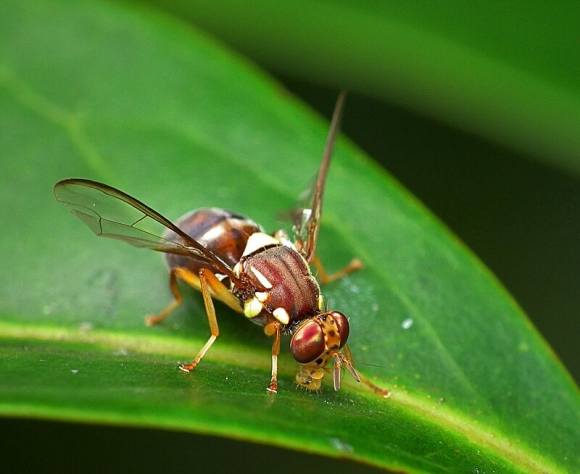
Fruit flies are a type of fly often found around fruits and other sweet substances. Unlike typical flies, which are notorious for feeding in trash, fruit flies focus on the sugars in fruits and flowers rather than blood. This difference in feeding behavior sets them apart from disease-carrying flies and makes them an interesting species.
These flies are typically small, with elongated bodies, delicate wings, and long, slender legs that allow them to move easily between fruits. They thrive in warm, humid climates where fruit is plentiful, such as tropical forests, orchards, and farms.
During the summer months, when many fruits ripen, fruit flies are especially active. You’ll often spot them buzzing around bananas, mangoes, papayas, and other tropical fruits, as well as any fallen fruit beginning to ferment on the ground.
Because they are attracted to overripe and decaying fruit, fruit flies serve a role in the ecosystem by helping decompose organic matter. However, they can also pose challenges for fruit growers when their populations grow too large.
What Do Fruit Flies Eat?
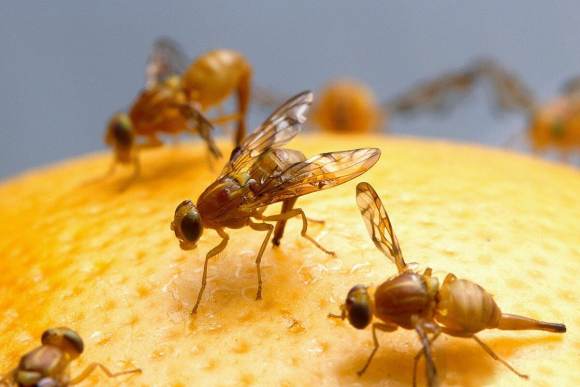
Fruit flies primarily feed on the juices of ripe or decaying fruits and occasionally on the nectar of flowers. Their long, thin mouthparts are specialized for sucking up the liquids they crave. The process begins when a fruit becomes overripe or is damaged, releasing a sweet aroma that attracts fruit flies. They then settle on the fruit’s surface to drink the juice, making the most of nature’s sugary offerings.
Here’s a closer look at their feeding habits and effects on their surroundings:
- Fruit and Plant Juices: fruit flies are attracted to fruits with high sugar content. The liquid in ripe or fermenting fruit provides the flies with nutrients and energy, helping them survive and reproduce.
- Nectar from Flowers: While not as common as bees or butterflies, fruit flies can sometimes contribute to pollination when they feed on flower nectar. However, they are not as effective at spreading pollen and do not play a major role in plant reproduction.
- Faster Fruit Decay: When many fruit flies gather around a piece of fruit, they can accelerate its decay. As they move from one fruit to another, they may inadvertently spread fungi and bacteria, which can lead to faster spoilage and potential crop loss for farmers.
For those who grow fruit, large numbers of fruit flies can mean a shorter shelf life for their produce. Farmers must carefully monitor their crops to avoid losing ripe fruits to these tiny but persistent insects.
How Fruit Flies Affect People and Animals
Unlike common fly species that like dirty stuffs, most fruit flies do not bite humans or animals, and they are not known carriers of diseases like other flies. This makes them less of a health concern compared to other types of flies. However, their presence can still be a nuisance when they gather in large numbers near homes, gardens, or orchards.
In places where fruits are grown, fruit flies can be a frustrating presence for both farmers and home gardeners. These flies may:
- Gather Around Homes: If fruits are left outside, whether on trees or in gardens, fruit flies may swarm around them, making outdoor spaces less pleasant.
- Spoil Fruits Quickly: With their habit of feeding on fruit juices, fruit flies contribute to faster rotting. As they move between fruits, they can spread bacteria and fungi, potentially making fruits unappetizing or unsafe to eat.
- Annoy People in Gardens and Markets: During warm months, fruit flies can be particularly bothersome at outdoor markets, where vendors and shoppers often encounter swarms of flies near fresh produce.
Fruit flies also play a role in the food chain, providing nourishment for animals like birds, spiders, and other insects that prey on them. By feeding these predators, fruit flies help support biodiversity in their habitats.
Their Role in the Ecosystem
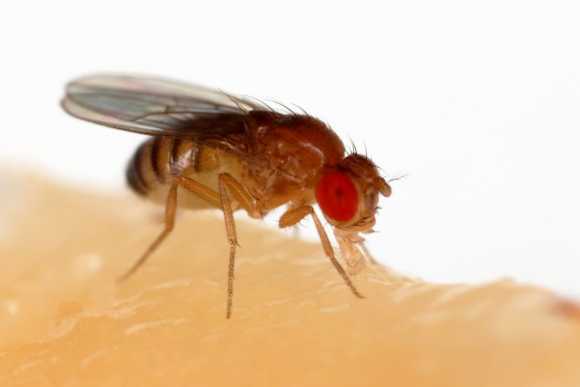
Although they can be pests around fruit trees and gardens, fruit flies have ecological functions that contribute to the balance of their environments. Here’s how they impact the ecosystem:
- Decomposition of Organic Matter: fruit flies help break down decaying fruit, which speeds up the decomposition process. By feeding on overripe fruit, they contribute to the return of nutrients to the soil, enriching it for future plant growth.
- Pollination Support: While fruit flies are not as efficient as bees in pollination, their occasional feeding on flower nectar can contribute to the pollination process in a small way. This cross-pollination, however minor, can aid in the reproduction of certain plants.
- Prey for Other Species: fruit flies are an important food source for a variety of creatures, including birds, other insects, and even some mammals. By serving as prey, they support the diets of many animals within their habitats, indirectly contributing to the health of local ecosystems.
In tropical forests and other natural settings, fruit flies are part of a complex web of interactions. They help maintain ecological balance, ensuring that resources are cycled back into the soil and providing food for other animals.
Controlling Them

While fruit flies are beneficial to the ecosystem, their large numbers can be problematic in agricultural settings, gardens, and homes. Fortunately, there are effective and eco-friendly ways to manage their populations.
- Remove Overripe Fruits: Clearing fallen or overripe fruits from the ground helps reduce the food source for fruit flies. By promptly picking ripe fruits and removing decaying ones, gardeners and farmers can deter these insects from gathering.
- Use Nets and Screens: Covering fruit-bearing plants with nets can prevent flies from accessing the fruit. Similarly, using screens on windows and doors can help keep them out of homes, reducing indoor infestations.
- Store Fruits Properly: Keeping fruits indoors or in sealed containers can limit fruit fly access. Storing fruits away from open areas and in cool, dry places reduces the chance of attracting flies.
- Use Natural Traps and Repellents: Simple traps, such as vinegar or fruit juice in a shallow dish, can attract fruit flies, effectively removing them from the immediate area. Natural repellents that don’t harm the environment are preferred, as they are safer for beneficial insects and other wildlife.
These methods allow for sustainable control of fruit flies, balancing the need to protect fruit crops and outdoor spaces with the importance of conserving the species’ role in the ecosystem.
Sources:
Leave a Reply