

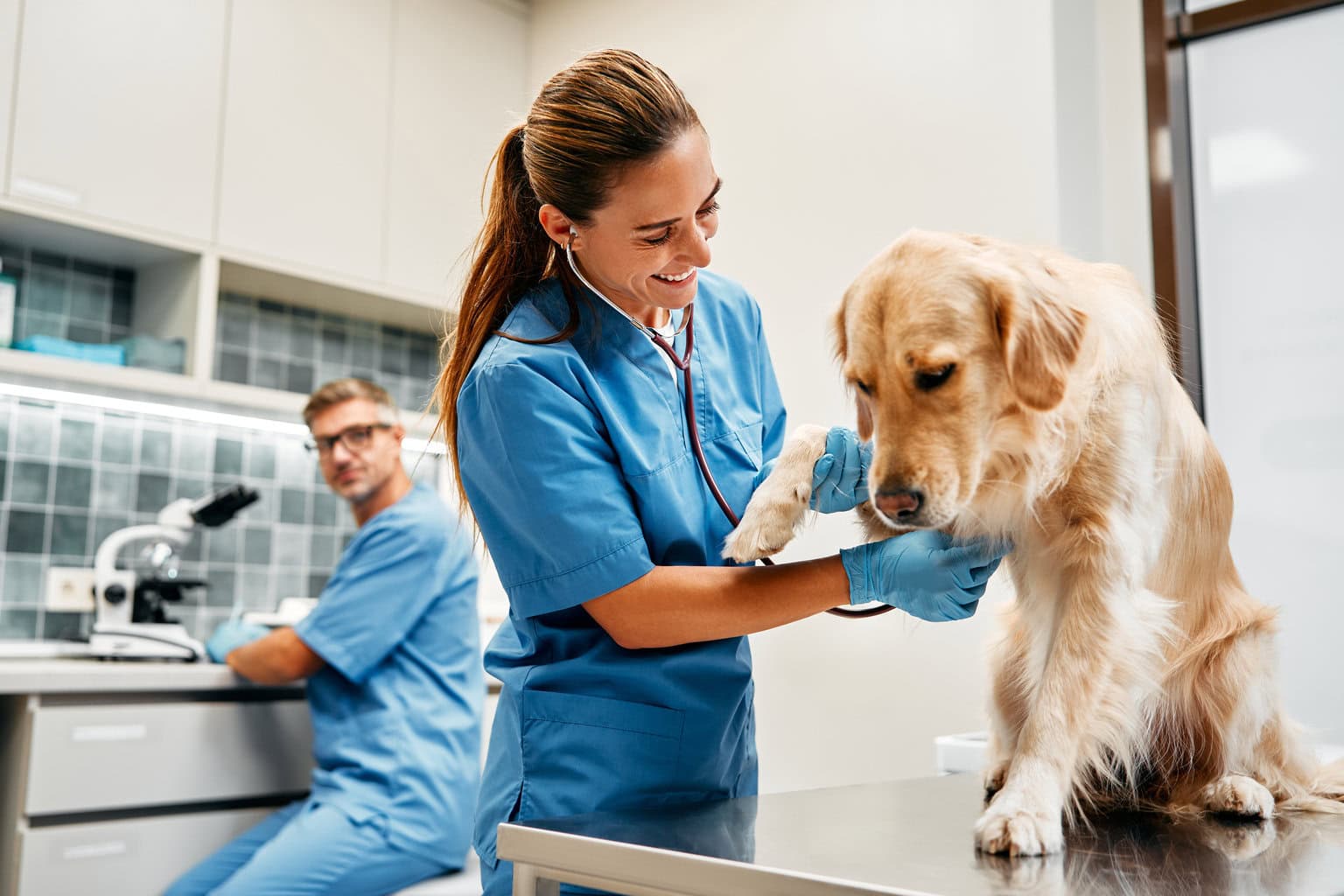
Pets are beloved members of the family, bringing endless joy and companionship into our lives. But like people, pets can fall ill or experience emergencies that require immediate medical attention. Recognizing the signs that something is wrong makes all the difference in ensuring your furry friend receives the care to recover and thrive.
If you notice any of the following signs, don’t wait—reach out to a trusted professional. If you’re in the area, consider consulting a veterinarian in Maricopa, AZ for reliable and compassionate care.
1. Sudden Changes in Behavior
Your pet’s behavior often reflects its health and emotional state. If an energetic dog becomes lethargic or a normally friendly cat becomes aggressive or withdrawn, these changes may be signs of underlying issues.
Pain, illness, or stress are common culprits, and ignoring such changes can allow problems to worsen. Observing and reporting these behavioral shifts to a veterinarian can help detect and address the root cause early.

2. Persistent Vomiting or Diarrhea
While occasional digestive upset is relatively normal for pets, persistent vomiting or diarrhea indicates a more serious concern. These symptoms can lead to dehydration, which poses a significant health risk, especially for smaller or older animals. Underlying causes may include infections, ingestion of toxic substances, or chronic conditions like inflammatory bowel disease. If these issues last longer than 24 hours, immediate veterinary care is integral to prevent complications.
3. Difficulty Breathing
Difficulty breathing manifests in labored or rapid breaths, wheezing, or visible distress. These symptoms may stem from respiratory infections, allergies, or obstructions in the airway. Breathing problems can escalate quickly, making immediate veterinary attention critical. Pets rely on efficient oxygen exchange for survival, so prompt action can save their lives.
4. Changes in Eating or Drinking Habits
Pets are creatures of habit, so significant changes in eating or drinking behavior are often red flags. A sudden loss of appetite may indicate dental pain, gastrointestinal issues, or systemic illnesses like cancer. Increased thirst can point to diabetes, kidney disease, or hormonal imbalances. Tracking these changes and seeking veterinary advice ensures early detection of serious conditions.
5. Unexplained Weight Loss
Rapid or unintentional weight loss in pets is a concerning sign of underlying health issues. Conditions such as intestinal parasites, metabolic disorders, or cancer can cause weight changes even if your pet’s appetite remains normal. Early diagnosis allows for timely intervention, improving the chances of effective treatment and recovery.
6. Open Wounds or Injuries
Even seemingly minor wounds in pets can become infected without proper care. Small cuts, scratches, or puncture wounds may harbor bacteria, leading to abscesses or systemic infections. If your pet sustains an injury, cleaning the wound and consulting a veterinarian ensures proper healing and prevents complications.
7. Persistent Scratching or Licking
Excessive scratching, licking, or biting is often a sign of discomfort caused by allergies, infections, or parasites like fleas and mites. Left untreated, these issues can lead to skin infections, hair loss, or chronic irritation. Determining the source of the discomfort and managing it promptly restores your pet’s comfort and prevents secondary problems.

8. Swollen Abdomen
A swollen or hard abdomen in pets is a medical emergency. In dogs, it may indicate bloat (gastric dilatation-volvulus), a life-threatening condition requiring immediate attention. Other potential causes include internal bleeding, organ inflammation, or fluid accumulation. Any noticeable abdominal swelling should prompt an urgent visit to the veterinarian.
9. Sudden Lameness or Difficulty Walking
Limping or difficulty walking can result from injuries, joint problems, or neurological issues. Arthritis, torn ligaments, or even spinal conditions can cause mobility challenges. Early assessment by a veterinarian can pinpoint the cause and provide treatment, preventing long-term complications or chronic pain.
10. Bleeding from Any Orifice
Bleeding from the nose, mouth, ears, or rectum is never normal and often signals a serious issue. Potential causes include trauma, poisoning, internal injuries, or clotting disorders. Immediate veterinary care is crucial to stop the bleeding, diagnose the underlying problem, and initiate treatment.
11. Cloudy or Red Eyes
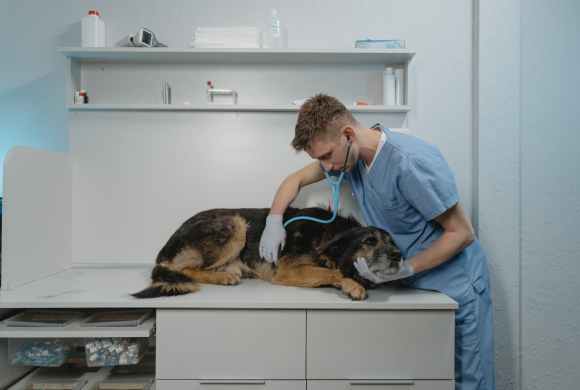
Eye problems such as redness, cloudiness, or excessive discharge should never be ignored. They may indicate infections, injuries, or glaucoma, all of which can progress rapidly and lead to vision loss or severe discomfort. Prompt veterinary attention can save your pet’s eyesight and alleviate pain.
12. Seizures or Collapsing
Seizures or collapsing episodes are critical emergencies that require immediate action. They may stem from epilepsy, exposure to toxins, heart problems, or neurological conditions. Recording details such as the duration and symptoms of the event can help veterinarians diagnose the issue more effectively. Time is of the essence to prevent recurrence or long-term damage.
Trusting your instincts and observing your pet closely are crucial. If something feels off, it’s always better to err on the side of caution. Early intervention not only saves lives but can also minimize treatment costs and complications.

Tips Before Taking Your Pet to the Vet
While you set up your home to be pet-friendly, it’s equally important to ensure you are prepared for your pet’s medical needs and regular checkups. Preparing for a vet visit can make the experience smoother for both you and your pet. Here are some tips to ensure everything goes as stress-free as possible:
1. Gather Medical Records
If this is your first visit to a new vet, bring along your pet’s medical records, including vaccination history, prior treatments, and any medications they’re currently taking. This information helps the vet assess your pet’s health more effectively.
2. Prepare Questions and Concerns
Write down any questions or concerns you have about your pet’s behavior, diet, or symptoms. Being prepared ensures you won’t forget important details during the appointment.
3. Monitor Symptoms Closely
Before the visit, take note of your pet’s symptoms, including how long they’ve been occurring and whether they’ve worsened or improved. This helps the vet understand the severity of the issue.

4. Secure Your Pet
Ensure your pet is safely secured during transport. Use a sturdy carrier for cats or small animals and a leash or harness for dogs. This not only keeps your pet safe but also ensures they won’t escape or get anxious.
5. Bring Comfort Items
A favorite toy, blanket, or treat can help keep your pet calm during the trip and while waiting at the clinic. These items provide a sense of security in an unfamiliar environment.
6. Stay Calm and Reassuring
Pets can sense fur parents’ emotions. Try to remain calm and composed. Speak to your furry friend in a calm voice. Offer gentle reassurance to ease their nerves.

7. Plan for Emergencies
If you’re visiting for a serious issue or emergency, call the vet ahead of time to alert them. This allows the staff to prepare for your arrival and provide prompt care.
By taking these steps, you can help reduce your pet’s stress and make the vet visit more productive, ensuring they receive the care they need efficiently.
Bottom Line
Your pet relies on you to recognize when something isn’t right and take action. By knowing the signs that indicate a health emergency and understanding how to choose a qualified veterinarian, you can provide the best possible care for your furry companion. Whether it’s a sudden change in behavior or a serious health crisis, don’t hesitate to consult a trusted veterinarian, to keep your pet healthy and happy.
Leave a Reply