


In today’s world, where environmental awareness is on the rise, it’s crucial to instill sustainable habits in our children from an early age. One great way to do this is by creating eco-friendly goodie bags for kids’ parties. These thoughtful party favors not only reduce waste but also teach children valuable lessons about sustainability.
Let’s explore 12 tips to make your next batch of goodie bags both fun and environmentally friendly.

1. Choose Sustainable Bag Materials
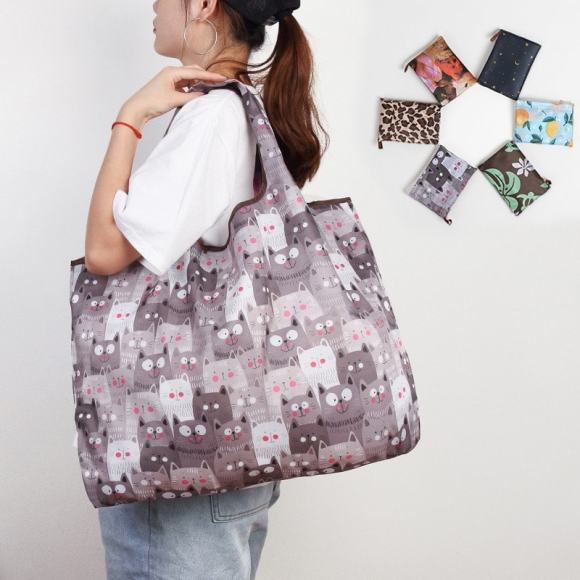
The first step in creating eco-friendly goodie bags is selecting the right material for the bag itself. Opt for reusable fabric bags instead of plastic ones. These can be personalized and used long after the party ends. Did you know that approximately 5 trillion plastic bags are used worldwide each year? By choosing fabric, you’re making a significant impact.
Another great option is bags made from recycled paper. This choice helps divert waste from landfills and reduces greenhouse gas emissions compared to producing new paper.
2. Fill Bags with Eco-Friendly Craft Supplies
Kids love to get creative, so why not include some sustainable craft supplies in your goodie bags? Use reusable or biodegradable materials like cloth pouches or recycled paper for the goodie bags
- Natural clay
- Seed paper shapes
- Wooden crafts
Most parents prefer eco-friendly toys for their children. Wooden crafts are durable and compostable at the end of their life. These materials introduce kids to the concept of renewable resources and can lead to discussions about environmental stewardship. By choosing thoughtfully sourced, sustainable products, you can create memorable goodie bags for kids that are not only enjoyable but also contribute to a healthier planet.
3. Sustainable Toys
When it comes to toys, look for options made from sustainable materials. Some ideas include:
- Recycled paper products
- Wooden puzzles
- Biodegradable plant kits
Biodegradable plant kits combine play with education, allowing children to grow their plants and learn about the life cycle of vegetation. These toys can help children develop an appreciation for eco-friendly alternatives from an early age.
4. Add DIY Activity Kits
DIY is best for your child’s development because it encourages creativity and problem-solving skills. A solar printing kit, for example, can teach children about the power of sunlight while creating beautiful artwork.
These hands-on activities not only provide fun but also instill valuable skills and knowledge about sustainable practices, making them more likely to stick with children long after the party ends.

5. Opt for Healthy, Organic Snacks
Organic Snacks Choosing healthy, organic snacks for goodie bags promotes both personal health and environmental sustainability. Organic fruit bars, for instance, are free from harmful pesticides and support eco-friendly farming practices. Nuts and trail mix provide nutritious energy without excessive packaging.
By including these snacks, you’re encouraging healthy eating habits while also supporting sustainable agriculture. This choice can spark conversations about the connection between our food choices and environmental impact.
6. Homemade Goodies
Homemade treats add a personal touch to goodie bags while also reducing packaging waste. Baking cookies or small cakes using organic ingredients allows for control over the quality and healthiness of the treats.
Packaging these in compostable or reusable containers further reduces environmental impact. This approach not only minimizes waste but also introduces children to the concept of homemade alternatives to store-bought snacks, potentially inspiring future eco-friendly baking projects.
7. Add a Personal Touch with Custom Notes
Custom notes on recycled paper add a meaningful element to goodie bags. These could include personalized thank-you messages, fun facts about sustainability, or even small challenges related to eco-friendly practices.
This personal touch makes the gift more memorable and provides an opportunity to reinforce environmental messages. It also demonstrates how everyday items like paper can be recycled and repurposed, encouraging children to think about the lifecycle of the products they use.
8. Introduce Plantable Items
Plantable items like seed-embedded pencils or seed bombs offer a unique, long-lasting gift that grows over time. These items provide an engaging way for children to learn about plant life cycles and the importance of green spaces.
As children plant and nurture their seeds, they develop a sense of responsibility towards nature. This hands-on experience can foster a lifelong interest in gardening and environmental conservation.
9. Educational Components
Including educational elements about recycling and sustainability can have a lasting impact on children. Small booklets or cards with kid-friendly information about environmental issues make learning fun and accessible. These could include simple explanations of concepts like recycling, renewable energy, or water conservation.
By presenting this information in an engaging, age-appropriate manner, you’re helping to raise environmentally conscious citizens who understand the importance of sustainable practices.
10. Natural Packaging Materials
Opting for natural packaging materials significantly reduces the environmental impact of goodie bags. Raffia or twine, made from plant fibers, are biodegradable alternatives to plastic ribbons. Beeswax wraps can replace plastic wraps for food items, offering a reusable and compostable option.
Recycled tissue paper adds a festive touch without contributing to deforestation. These choices not only minimize waste but also introduce children to eco-friendly alternatives for everyday packaging needs.

11. Eco-Friendly Art Supplies
Eco-friendly art supplies introduce children to sustainable alternatives in creative expression. Soy-based crayons, for example, are made from renewable resources and are biodegradable. Colored pencils made from recycled materials demonstrate how waste can be transformed into useful products.
Natural paint sets, using pigments derived from plants or minerals, offer a non-toxic option for artistic exploration. These supplies allow children to express their creativity while learning about environmentally friendly manufacturing processes.
12. Upcycled Treasures
Including upcycled items in goodie bags showcases the potential of repurposing materials. Jewelry made from recycled paper beads demonstrates how waste paper can be transformed into beautiful accessories.
Keychains crafted from reclaimed wood illustrate how natural materials can be reused creatively. These items not only serve as unique gifts but also inspire children to think creatively about how they can repurpose items in their own lives.
Conclusion
Creating eco-friendly goodie bags for kids is not just about reducing waste; it’s about teaching the next generation the importance of sustainable living. Remember, every small step towards sustainability counts.
Start with your next children’s party and watch as these eco-friendly practices spread joy and awareness among the little ones. By making the process interactive and fun, children are more likely to appreciate and remember the importance of eco-friendly choices.
FAQs
Why is it important to choose eco-friendly goodie bags?
Eco-friendly goodie bags are crucial because traditional party favors contribute significantly to plastic waste. Over 300 million tons of plastic are produced each year, making sustainable alternatives essential for environmental conservation. By choosing eco-friendly options, we reduce waste and teach children valuable lessons about sustainability.
What are some budget-friendly eco-friendly goodie bag ideas?
There are many cost-effective options for eco-friendly goodie bags. These options are often more affordable than purchasing plastic toys and create a more personal touch.
- Homemade crafts using recycled materials
- Natural treats like homemade cookies or fruit skewers
- DIY plantable seed paper
- Upcycled items like crayons made from melted-down old crayons
How can kids be encouraged to appreciate eco-friendly goodie bags?
To make sustainability fun and engaging for children:
- Involve them in making the goodie bags or choosing what goes inside
- Include interactive items like seed-planting kits or DIY craft projects
- Add fun facts about the environment with each item
- Make a game out of using the eco-friendly items after the party
Leave a Reply