


You can’t talk about greenhouse gas emissions without mentioning the transportation sector. Thanks to fossil-powered vehicles, this industry makes up more than 20% of the total global emissions on earth. In recent years, however, the world has intensified its sustainability efforts as we all fight to save the planet.
Opting for clean, renewable technologies to reduce environmental impact is one way to do this. In the transportation sector, several emerging technologies can make this happen, and we will consider five of them.
Green Logistics and Route Optimization

If you own a company that requires a fleet of vehicles, then you know the importance of logistics and route optimization. For example, trucking companies use route optimization technologies to increase efficiency and prevent accidents. When accidents occur, they contact a Longview truck accident attorney to negotiate compensation.
Green logistics and route optimization reduces fuel consumption and greenhouse emissions. They do this by analyzing road conditions, traffic patterns, weather data, and other vital information that provides valuable insights.
Alternative Fuels and Biofuels

This is the most obvious option, and for good reason. The transportation industry is slowly reducing its dependence on fossil-powered vehicles. Significant research is on using renewable energy like algae, waste, and plants. Biofuels like ethanol and biodiesel are now used to power vehicles instead of traditional petrol. Some companies have also found ways to use natural gas and hydrogen for fuel.
Hydrogen has been praised for its zero-emission potential. When used to power a vehicle, it releases only water. Besides this obvious advantage, it also removes the limits that come with rechargeable batteries. However, it may take a while before it becomes mainstream, and the reason is not far-fetched. Fuel cell technology does not come cheap. A lot of dedication to the process is needed for it to become mainstream. These fueling options significantly reduce greenhouse emissions.
Electric and Hybrid Vehicles

This goes without saying, but electric vehicles are gaining traction as a suitable alternative to traditional vehicles. These vehicles are charged at electric vehicle charging stations that don’t produce any gas emissions. Electric vehicles last for longer times than traditional vehicles and are easier to maintain because they have fewer moving parts. Hybrid vehicles have regular combustion engines but come fitted with electric motors. So, while they produce emissions, they are significantly lower than what you get from traditional vehicles.
Thanks to some governments, electric vehicles are more affordable for citizens. The government incentivizes these cars by removing taxes on the cars or issuing tax credits toward the purchase. If more governments adopt this method, it could be more beneficial to the environment in the long run.
Autonomous and Connected Vehicles
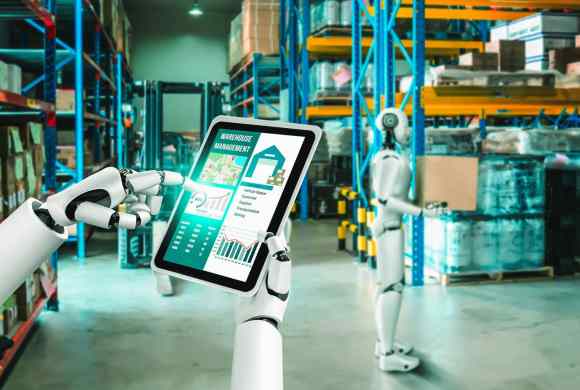
Manufacturers are now making autonomous and connected vehicles like we have autonomous computers. These vehicles have advanced technology that improves safety, reduces emissions, and boosts fuel efficiency. They also have advanced sensors, artificial intelligence, and GPS that navigate routes more efficiently than usual. Connected vehicles communicate with other vehicles on the road, sharing real-time updates that improve safety and reduce congestion.
Recently, the popular electric car company, Tesla, announced its self-driving taxi. This taxi is expected to reduce emissions and offer a cost effective transport system. Some argue that it may be counterproductive because it adds to traffic congestion. But there’s no way to tell how it will impact the traffic until it is properly released.
Smart Traffic Management Systems
Another environmentally friendly technology that is revolutionizing the transportation industry is smart traffic management systems. These systems use artificial intelligence to improve traffic flow and reduce emissions. They analyze traffic patterns and reduce idle time. This, in turn, reduces congestion, emissions, and fuel consumption.

The traffic system looks a lot like regular traffic lights, but it is more advanced. In some cases, it includes connected video monitoring, connected traffic light systems, and smart traffic sensors. The traffic sensors use the Internet of Things sensors to analyze drivers’ actions. What of the connected video monitoring feature? Well, it is designed mainly for the safety of road users. City planners often use it to follow real-time information and respond accordingly.
The connected traffic light system is not much different because it uses sensors to determine vehicle speeds, wait times at intersections, and pedestrian traffic. All of these reduce emissions while offering a safer road system for drivers and pedestrians.
Conclusion
When it comes to global sustainability, reducing emissions with green technology is not something we can ignore as humans. While the transportation sector isn’t the only industry that has a role to play in this regard, it still makes up for a significant portion of the greenhouse gasses that go into the atmosphere. Another industry that needs to adopt green technologies is the manufacturing industry, but that’s a topic for another article.
Leave a Reply