


Keeping your house warm in winter doesn’t always mean turning up the heater. Traditional heating uses a lot of energy and can be expensive. There are clever, eco-friendly ways to stay warm that save money and help the environment.
These methods use less electricity, reduce pollution, and make your home cozy without big bills. Want to know more about this interesting topic? Here we go.
Warming People, Not the Whole House

Heating an entire house wastes energy because it warms empty rooms. Instead, you can focus on keeping people warm. Wearing thick clothes, warm socks, or cozy blankets is a simple way to stay comfortable.
You can also use items like heated chair pads, electric slippers, or battery-powered heated vests. These use very little energy and keep you warm right where you are. For example, a heated blanket can make your sofa cozy while using much less power than a room heater.
This idea saves money. Experts say lowering your thermostat by 7–10°F for 8 hours a day can cut heating costs by up to 10% each year. Using personal heating items means you stay warm without heating the whole house.
For instance, a heated keyboard or a small infrared lamp at your desk keeps you comfortable while studying. These tools are cheap to run and make it easy to stay warm without wasting energy.
Personal heating is also flexible. You can use it in any home, even small apartments or rented rooms. It’s a simple way to stay cozy, save money, and reduce your environmental impact. The key is to focus on warming yourself, not the walls or ceilings, because only people feel cold.
Using Compost to Create Heat

Compost is usually for recycling food scraps or garden waste, but it can also make heat. When bacteria break down materials like vegetable peels or leaves, they produce heat. A well-made compost pile can get very hot, up to 130–160°F inside.
Some people use this heat to warm small spaces, like a greenhouse or even part of a home. For example, you can run water pipes through a compost pile to heat the water, then send it to a radiator in a room.
This works well in small, well-insulated homes. In rural areas, people build large compost piles, over 100 cubic feet, to create enough heat. The pile needs air and the right mix of materials, like grass clippings and food scraps, to work properly.
Compost heating isn’t for every home because it needs space for a big pile. But it’s a great eco-friendly option for people with yards or gardens.
It uses natural processes, costs nothing to run, and turns waste into something useful. This method shows how creative thinking can keep you warm while helping the planet.
Heating with Candles Carefully

Candles give off a small amount of heat, but they can help in tiny spaces like a bathroom or a study corner. Some people use clay pots or metal containers over candles to trap and spread the heat.
For example, placing a ceramic pot over a candle can warm a small area slightly. This won’t heat a whole house, but it’s useful during power outages or in small apartments.
Using candles has challenges. Burning many candles can create smoke, which isn’t good for air quality. You need good ventilation to keep the air clean.
It’s also important to be safe, never leave candles burning alone or near things that can catch fire. Choosing beeswax or soy candles is better because they burn cleaner and longer than regular candles.
Candles are a low-cost, low-tech way to add a bit of warmth. For instance, a few tea lights in a small room can make it feel cozier while reading or working. This method is simple and works in places where you can’t change the heating system, like rented homes.
Sharing Heat in Communities
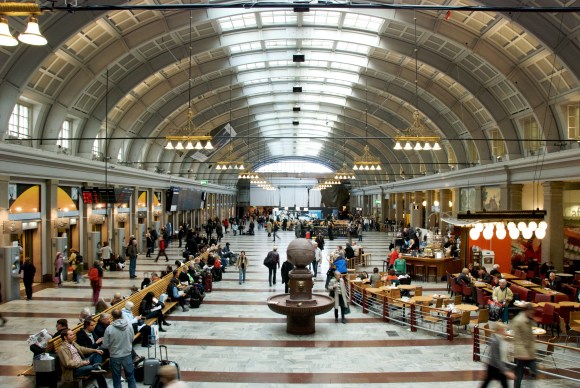
Some cities use creative ways to share heat, called district heating. Instead of each house having its own heater, one big heat source warms many homes.
For example, in some places, heat from underground computer centers or subway stations is used to warm buildings. This saves energy because it reuses heat that would otherwise be wasted.
In countries like Denmark, over 60% of homes use district heating. They take extra heat from power plants or renewable sources like geothermal energy and send it to houses through pipes.
This works best in crowded cities where many buildings are close together. For example, a neighborhood might share heat from a single solar water heater, cutting down on energy use.
Individuals can’t build these systems alone, but small communities can try similar ideas. For instance, a group of neighbors could share a big boiler or solar heater to warm their homes.
This saves money and reduces pollution. It shows how working together can make heating smarter and more sustainable.
Building Homes That Heat Themselves

Some houses are designed to stay warm without any heaters. These are called passive solar or passivhaus homes. They use sunlight, thick walls, and tight construction to trap heat.
Large windows facing the sun let in warmth during the day, and materials like concrete or brick store that heat to release it at night. Even the heat from cooking, people, or electronics helps keep the house warm.
These homes are super-efficient. They use up to 90% less heating energy than regular houses. For example, a passivhaus in a cold area can stay cozy just from sunlight and the heat people naturally create. The walls are extra thick, and the windows are placed carefully to catch the most sun. Special ventilation systems also keep the air fresh without losing heat.
Building a passive solar home costs more at first because of the special design and materials. But over time, it saves money on energy bills. For example, a family in a passivhaus might spend almost nothing on heating, even in winter.
This method is perfect for people who want a warm, eco-friendly home without relying on electricity or gas. So, what’s your plan?
Sources:
Leave a Reply