


Did you know that many commercial or residential landscaping methods disrupt natural wildlife? Strategies such as pouring concrete over grass and dirt, unnecessarily cutting trees, plastic lawn ornaments, and harmful pest control can ruin the space around you instead of improving it.
You can create great curb appeal or an enriching outdoor space without disturbing the ecosystem. This guide will show you how to go green with your green.
1. Use Natural Pathways, Borders, and Fences
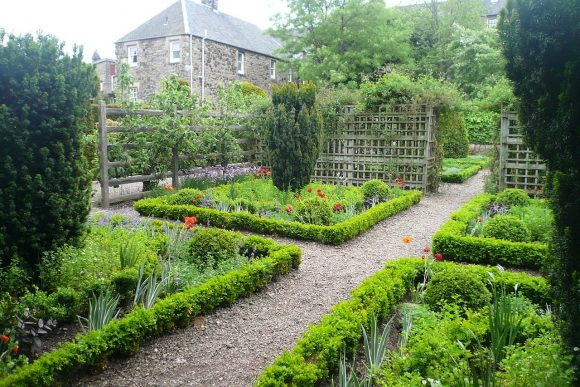
Many people enjoy separating sections of their garden and creating walkways using concrete, plastic dividers, or other materials. These aren’t necessary, and it’s a lot tougher for nature to break these materials down when we no longer need them.
Some materials may even be toxic to wildlife. You can create a clean look with natural borders and fences with plants like hedges. Mulch offers an ideal natural walkway or even natural stone.
A quick Google “mulch for sale near me” search will allow you to save money in the long run. Vines and trellises can offer some natural privacy screening as well.
2. Avoid Using Harmful Herbicides or Pesticides
Herbicides and pesticides can help curb unwanted weeds and pests that disturb the look of your garden, but they can come with an alarming price. These poisons can cause harm to other plants, animals, and even you!
Edible gardens can be more dangerous with the use of herbicides or pesticides. Similarly, pesticides can offer respite from pests eating your garden, but these poisons don’t just affect the pests. There are natural ways to deter pests from your garden, such as garlic.
It’s also important to remember that we share the outdoors with nature, and finding a way to coexist is key to harmony in nature.
3. Cut Out the Use of Plastic

Plastic lawn decorations, pots, trellises, and other landscaping tools may be cheap and simple, but the materials are anything but; plastic takes anywhere from 20-500 years to decompose once tossed.
The use of plastic anywhere in the home is harmful to the environment in the long run and can act as a choking hazard to any wildlife that may want to explore your garden. The cheaper cost isn’t worth it when taking that into account.
4. Conserve Water Intelligently
It’s no secret that plants need water, but sometimes waiting for rainfall just doesn’t cut it. You can create rain gardens or even collect rainwater with wood buckets or troughs for strategic use, eliminating the need to use gallons of home water just for your plants.
Conserving just a little bit of water not only helps the environment but also saves money on your utility bills—a win-win.
5. The Solar Power Future is Bright

If you love the look of fairy lights, porch lights, or any other decorative lighting in your garden, you’re not alone. There’s a way to illuminate your outdoor space without raising your electric bill or wasting energy, and that secret is the sun!
Solar-powered lighting is incredibly popular for this usage, and with so many decorative styles from string lights to lanterns, there’s no reason not to take a peek at solar-powered garden lighting.
As a bonus, these lights don’t require you to have solar panels for your home; the ‘panels’ are on the lights themselves!
6. Go Native With Plant Selection
Choosing native plant life for your area helps keep the ecosystem in balance. Invasive plants can take over your garden, and local wildlife can be harmed by poisonous, exotic plants that aren’t natural to the area.
Invasive plants can even introduce new pests, creating another problem for you and your garden. The use of native plants eliminates the risk of these issues.
Choosing native plant life for your garden is a cornerstone of eco-friendly landscaping, supporting the local ecosystem’s balance and health. Native plants are ideally suited to the local climate and soil conditions, requiring less water, fertilizers, and maintenance, significantly reducing your garden’s environmental footprint.
By prioritizing these species, you not only enhance the beauty of your garden but also provide essential habitat and food sources for local wildlife, including birds, bees, and butterflies, which are crucial for pollination and maintaining biodiversity.
Invasive species, on the other hand, can dominate your garden, displacing native flora and harming local fauna with potentially toxic effects or through habitat destruction.
7. Composting and Recycling Features

Composting organic material such as fruit peels from your kitchen can help your garden grow. This can avoid the use of toxic, unnatural fertilizers that can cause harm to humans or the ecosystem. Manure is great for this as well, which can be made or purchased.
Composting adds less to the local landfills, as well, which is great for the environment. You can even decorate or build your garden with biodegradable or recycled materials, creating a green oasis without harmful plastics. By treating your garden, you can treat yourself, as well!
Most people assume that creating any garden or outdoor space is automatically a benefit to the environment. However, the use of plastics, heavy water usage, and poisons can cause more harm than good!
By utilizing smart, eco-friendly practices, you can create a green environment in and out of your home, and ensure your garden or landscaping can be enjoyed by all. Even a small step toward these solutions is better than nothing at all.
Leave a Reply