

The endeavour of finding new ways to make operations more efficient and cost-effective is part of doing business in any industry. And as technology continues to advance, there are also more opportunities to improve the way things are done in every aspect of an enterprise. For one, warehousing, as a key function of commerce, has seen many changes and innovations over the last decade or so.
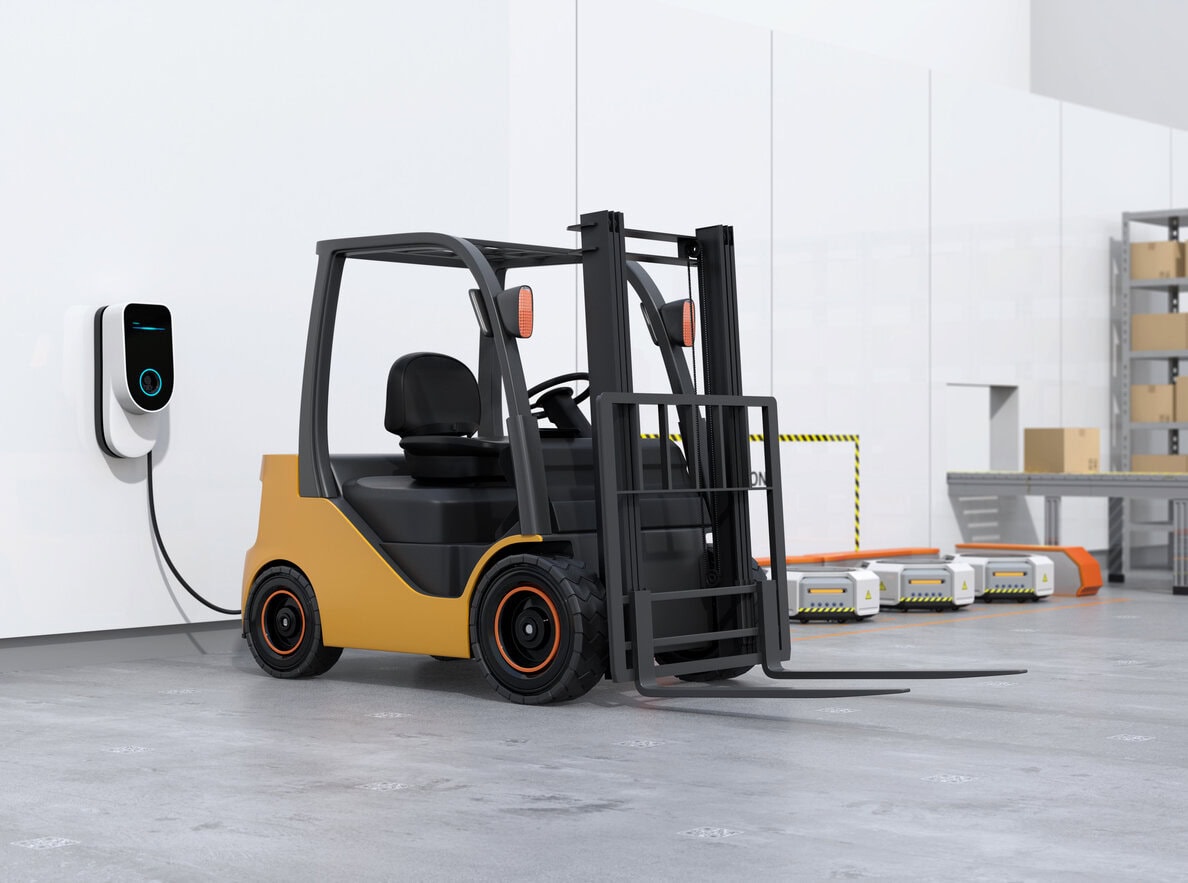
Among the emerging trends in warehousing is the switch to electric forklifts from older diesel- or propane-powered machines. This move promises not just cost and productivity benefits; it supports sustainability goals as well. Let’s look into the reasons behind the growing popularity of forklifts in modern warehouses, exploring their benefits for enterprise:
1) Longer Battery Life Powers Extended Shifts
From traditional lead-acid batteries, modern electric forklifts now run on lithium-ion batteries, delivering longer run times, faster charging, and consistent power output throughout the workday. For warehouses that operate on multiple shifts or have demanding schedules, longer battery life reduces the need for mid-shift charging or battery swaps.
In addition, fast charging stations also allow batteries to be topped off during breaks or downtime, further extending usability. This shift contributes to a streamlined workflow and minimises operational interruptions.

2) Simplified Maintenance Reduces Downtime
Technical malfunctions can greatly influence productivity and disrupt operations. But issues such as machine failures and frequent maintenance can be avoided by opting for reliable solutions that prevent costly interruptions and delays. Since electric forklifts have no spark plugs, engine oil, fuel filters, or complex exhaust systems, they require far less maintenance compared to internal combustion (IC) models. This translates to fewer breakdowns, less frequent service intervals, and lower repair costs.
Moreover, many businesses find that electric forklifts not only reduce the maintenance burden on in-house technicians, but also lead to greater overall uptime, which is critical for high-throughput warehouse operations.
3) Quiet Operation Enhances Workplace Safety
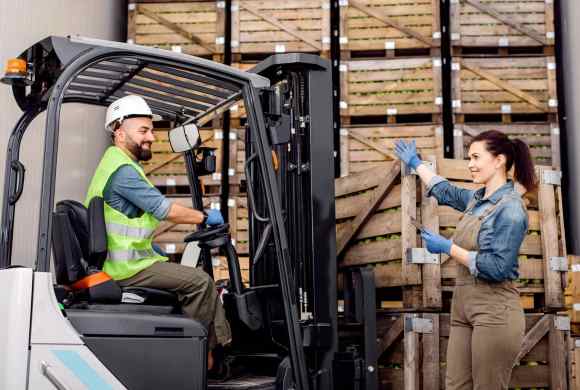
A healthy work environment is a primary consideration in modern business. This involves not only workplace relations, but the physical safety and well-being of workers as well. Adopting electric forklifts in your operations brings the added advantage of quiet operation that lessens distraction and promotes safety. While traditional forklifts can be loud—especially in enclosed spaces—electric models operate with minimal noise. The quieter performance has direct benefits in a busy warehouse setting.
Lower noise levels improve communication among workers and allow for quicker responses to safety warnings or alarms. Operators can stay more alert and aware of their surroundings, which helps prevent accidents and fosters a safer workplace culture.

4) Stable Design with a Low Center of Gravity
Warehousing comes with the risk of accidents, since it typically involves moving around products in huge quantities. Hence, businesses must prioritise equipment that can help minimise this vulnerability.
Because of the weight and placement of their batteries, electric forklifts naturally have a low centre of gravity, making them more stable when lifting and transporting heavy loads. In operations where product stacking and narrow aisles are common, a more stable forklift reduces the risk of tipping—protecting both inventory and personnel. This added stability enhances overall confidence in daily operations, especially when working at height or in tight spaces.
5) Reduced Operator Fatigue Improves Productivity
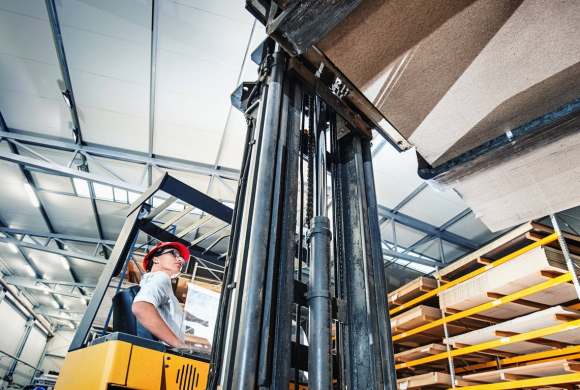
Ergonomics are a major factor in warehouse productivity. Electric forklifts are a good choice for promoting efficiency as they typically offer smoother acceleration, quieter operation, less vibration, and easier steering—all of which contribute to reduced operator fatigue over long shifts.
Overall, less physical strain translates to fewer breaks, more focus, and fewer mistakes. And when forklift operators feel more comfortable throughout the day, they’re better able to maintain their performance and contribute to more efficient operations.
6) Precision and Control for Demanding Tasks
It’s not easy to operate a forklift, and when combined with a busy warehouse, the job can be quite demanding. Electric forklifts can help lessen the strain on operators, as they are known for their responsive handling and high degree of control. Features like regenerative braking, smooth directional changes, and advanced motor control systems allow for more precise movement.
As a result, modern warehouses benefit from an increased capacity to handle delicate goods and manoeuvre tightly between racking systems. Furthermore, operators can perform complex tasks with greater confidence, reducing the risk of product damage and increasing operational accuracy.
7) Cost Savings from Efficiency and Fewer Repairs
Electric forklifts may have a higher initial purchase price, but the long-term cost benefits are substantial. Most notably, electricity is generally cheaper than diesel or propane, and the reduced maintenance requirements lower operating costs significantly.
Moreover, electric forklifts tend to last longer, especially when maintained properly. Over time, the total cost of ownership can be considerably lower than that of traditional fuel-powered models, making the switch a smart financial decision for businesses focused on long-term gains.
8) Supporting Sustainability with Fewer Emissions
The push for sustainable action in a country like Singapore extends to both community and business. Hence, sustainability is no longer a side consideration, but a core business priority. Electric forklifts contribute to sustainable business practices by producing zero tailpipe emissions, which not only helps reduce a warehouse’s carbon footprint but also improves indoor air quality for workers.
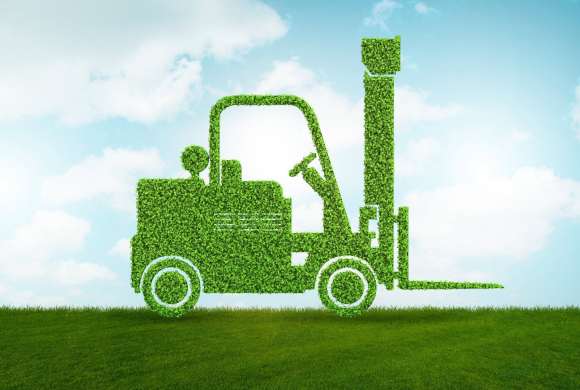
In regions with strict environmental regulations or sustainability reporting requirements, electric fleets also make it easier to comply with standards and demonstrate corporate responsibility. They also align well with broader environmental, social, and governance initiatives, helping businesses achieve their environmental goals while modernising their equipment.
Advanced equipment not only helps businesses to operate more efficiently; it also allows them to align with forward-looking goals as well. For businesses looking to future-proof their warehouse operations, improve efficiency, and support sustainability goals, electric forklifts are proving to be an investment worth making.
Leave a Reply