

In today’s world, where environmental consciousness is on the rise, eco-friendly home decor has become more than just a trend – it’s a lifestyle choice. This blog will walk you through the essentials of creating a sustainable, beautiful home that reflects your values and style.
Why Choose Eco-Friendly Home Decor?

Before diving into the specifics of eco-friendly home decor, it’s important to understand why this approach is gaining such momentum. Choosing sustainable decor options benefits both your living space and the planet.
Environmental Impact
One of the primary reasons to opt for eco-friendly home decor is its reduced environmental impact. By choosing sustainable materials and products, you’re:
- Conserving natural resources
- Reducing waste sent to landfills
- Lowering your carbon footprint
Health Benefits
Eco-friendly decor often means healthier living spaces. Many conventional decor items can release harmful chemicals into your home, whereas sustainable options typically:
- Improve indoor air quality
- Reduce exposure to toxins and allergens
- Create a healthier environment for you and your family
Unique Aesthetics
The sustainable decor isn’t just good for the planet, it’s beautiful too. Eco-friendly options often offer:
- One-of-a-kind pieces with character and history
- Natural textures and colors that create a warm, inviting atmosphere
- Innovative designs that showcase creativity and craftsmanship
Long-Term Cost Savings
While some eco-friendly options may have a higher upfront cost, they often lead to savings over time:
- Durable, high-quality items last longer, reducing replacement costs
- Energy-efficient choices lower utility bills
- Timeless designs reduce the need for frequent redecorating
Supporting Ethical Practices
By choosing eco-friendly decor, you’re often supporting:
- Fair labor practices
- Sustainable manufacturing processes
- Local artisans and small businesses
By being mindful of these choices and supporting green furniture stores, you can successfully create a stylish and sustainable home that reflects your commitment to the environment.
Personal Satisfaction
Finally, there’s a sense of personal satisfaction in knowing your home reflects your values:
- Aligning your living space with your environmental ethics
- Setting a positive example for friends and family
- Contributing to a larger movement towards sustainability
By understanding these benefits, you can make informed decisions as you embark on your eco-friendly home decor journey. We’ll explore practical ways to incorporate sustainable elements into your home, creating a space that’s both beautiful and environmentally responsible.
How To Shop For Eco-Friendly Home Decor

One of the cornerstones of eco-friendly home decor is the use of recycled and upcycled materials. Not only does this approach save resources, but it also adds unique character to your living space.
The global sustainable home decor market is booming. It’s expected to grow from $331.0 billion in 2021 to $556.3 billion by 2031, growing at a CAGR of 5.5% during this period. This surge reflects a strong consumer preference for eco-friendly products that don’t compromise on style or quality.
Reclaimed Wood: Beauty with a Story
Reclaimed wood furniture is a prime example of recycled materials in action. Each piece carries its history, adding depth and character to your home. Look for items like:
- Reclaimed wood coffee tables
- Upcycled wooden shelves
- Repurposed barn door headboards
Recycled Fabric: Comfort and Conscience
Recycled textiles offer a sustainable alternative to soft furnishings. Consider:
- Cushions made from recycled plastic bottles
- Throws crafted from recycled wool
- Rugs are woven from reclaimed fibers
Certifications to Look For
Using recycled materials in home decor not only reduces waste but also creates a unique aesthetic that tells a story. When shopping for recycled or upcycled decor, look for certifications that guarantee sustainability and ethical sourcing. Key certifications to watch for include:
- FSC (Forest Stewardship Council): Ensures that wood products come from responsibly managed forests.
- Global Recycled Standard: Verifies that textiles are made from recycled materials.
- Cradle to Cradle: Indicates that products are designed with sustainability and responsible life-cycle management in mind
These certifications help ensure that the products you’re buying are genuinely sustainable and ethically sourced.
Eco-Friendly Home Decor Ideas
Incorporating eco-friendly elements into your home doesn’t mean sacrificing style. Here are some ideas to inspire your sustainable decor journey:
- Natural Fiber Curtains: Replace synthetic drapes with curtains made from organic cotton, hemp, or linen.
- Vintage Finds: Incorporate unique, pre-loved pieces to add character and reduce demand for new production.
- Beeswax Candles: Opt for natural beeswax candles instead of paraffin for cleaner air and a warm glow.
- Recycled Glass Decor: Look for vases, bowls, and decorative items made from recycled glass.
- Cork Accessories: Utilize sustainable cork for coasters, bulletin boards, or even flooring.
- Bamboo Furniture: Choose rapidly renewable bamboo for everything from chairs to bookshelves.
When implementing these ideas, consider visiting furniture stores that offer eco-friendly options. Many now stock sustainable pieces that blend seamlessly with various decor styles, making it easier to create an environmentally conscious home.
By focusing on these eco-friendly decor elements, you can create a stylish, sustainable living space that reflects your commitment to the environment without compromising on aesthetics.
Opt for Sustainable New Materials
While recycled materials are excellent, sometimes new options are necessary, so it’s crucial to choose sustainable ones with minimal environmental impact. Bamboo, for example, is becoming popular in home decor due to its rapid growth, durability, versatility, and natural antibacterial properties.
The eco-friendly furniture market is projected to surge from $46.98 billion in 2023 to $107.2 billion by 2033, highlighting the rising demand for sustainable materials.
Similarly, natural fiber rugs made from jute, sisal, or seagrass offer biodegradability, lower chemical usage, and unique textures. For bedding and soft furnishings, organic textiles are preferable as they are free from harmful chemicals, better for health and the environment, and often more durable.
Improve Air Quality and Aesthetics with Plants
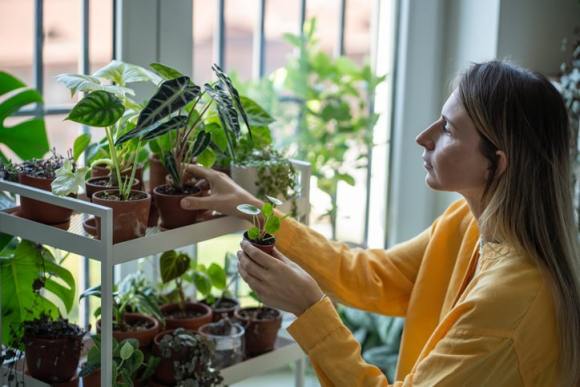
Indoor plants are not just beautiful; they’re also powerful air purifiers. Integrating greenery into your decor can significantly enhance both the look and health of your living space. NASA studies have shown that certain plants can remove up to 87% of indoor air pollutants within 24 hours. Some top air-purifying plants include:
- Snake Plant (Sansevieria)
- Spider Plant (Chlorophytum comosum)
- Peace Lily (Spathiphyllum)
Styling with plants can enhance your decor in several ways: use hanging planters for a vertical garden effect, place large floor plants as striking focal points, and add small potted herbs in the kitchen for both visual appeal and culinary use. As an interior design expert puts it, “Plants are the lungs of our homes, purifying the air while adding life and color to our spaces.”
Support Local and Artisanal Products
Buying locally made and artisanal home decor offers several benefits: it reduces transportation emissions, lowers the carbon footprint compared to imported goods, supports local economies and craftspeople, and provides unique, handcrafted items with personal stories.
To find local artisans, visit craft fairs and markets, explore online platforms featuring local creators, and check out nearby art galleries for decorative pieces.
Conclusion
Embracing eco-friendly home decor is a journey that benefits both your living space and the planet. By making mindful choices about materials, energy use, and overall consumption, you can create a beautiful, sustainable home that reflects your values.
Start small by incorporating a few eco-friendly elements, and gradually transition to a more comprehensive sustainable approach. Remember, every small change contributes to a larger positive impact on our environment.
FAQs
What are the easiest first steps to transition to eco-friendly home decor?
Start by replacing everyday items with sustainable alternatives. Swap out conventional light bulbs for LED options, introduce some air-purifying plants, and opt for natural fiber textiles when replacing cushions or throws.
How do eco-friendly practices in home decor contribute to sustainability?
Eco-friendly home decor reduces waste, lowers carbon footprints, and promotes the use of renewable resources. It also encourages mindful consumption and supports industries that prioritize environmental stewardship.
Are there cost-effective ways to implement eco-friendly home decor?
Many sustainable options can be budget-friendly. Consider DIY projects using reclaimed materials, shop at thrift stores for unique pieces, or upcycle items you already own. Remember, while some eco-friendly options might have a higher upfront cost, they often save money in the long run due to their durability and energy efficiency.
Leave a Reply