

Have you ever heard about the word Pantanal? If you are not familiar with it, then this is your gateway to understand more about it.
But is it important enough for us to understand about Pantanal? Well, if you think that understanding how incredible our nature is an important thing, then yes. If not, even a bigger yes!
By understanding what Pantanal is and how it contributes to our nature, we can have an additional point of view of how we should treat this lonely blue spot.
Hence, here in this article we are going to talk about Pantanal and how it contributes to every single aspect of this planet including our culture and the wildlife. Don’t hesitate to follow through.
Very Very Short Introduction of Pantanal

The Pantanal is the world’s largest tropical wetland and one of the most pristine and biologically rich environments on Earth. Covering around 140,000 to 195,000 square kilometers, this vast wetland is mainly in Brazil but also extends into Bolivia and Paraguay.
Known for its stunning biodiversity and interesting seasonal flooding, the Pantanal is a critical habitat for many species and an important part of South America’s natural heritage.
Interesting Hydrological Cycle
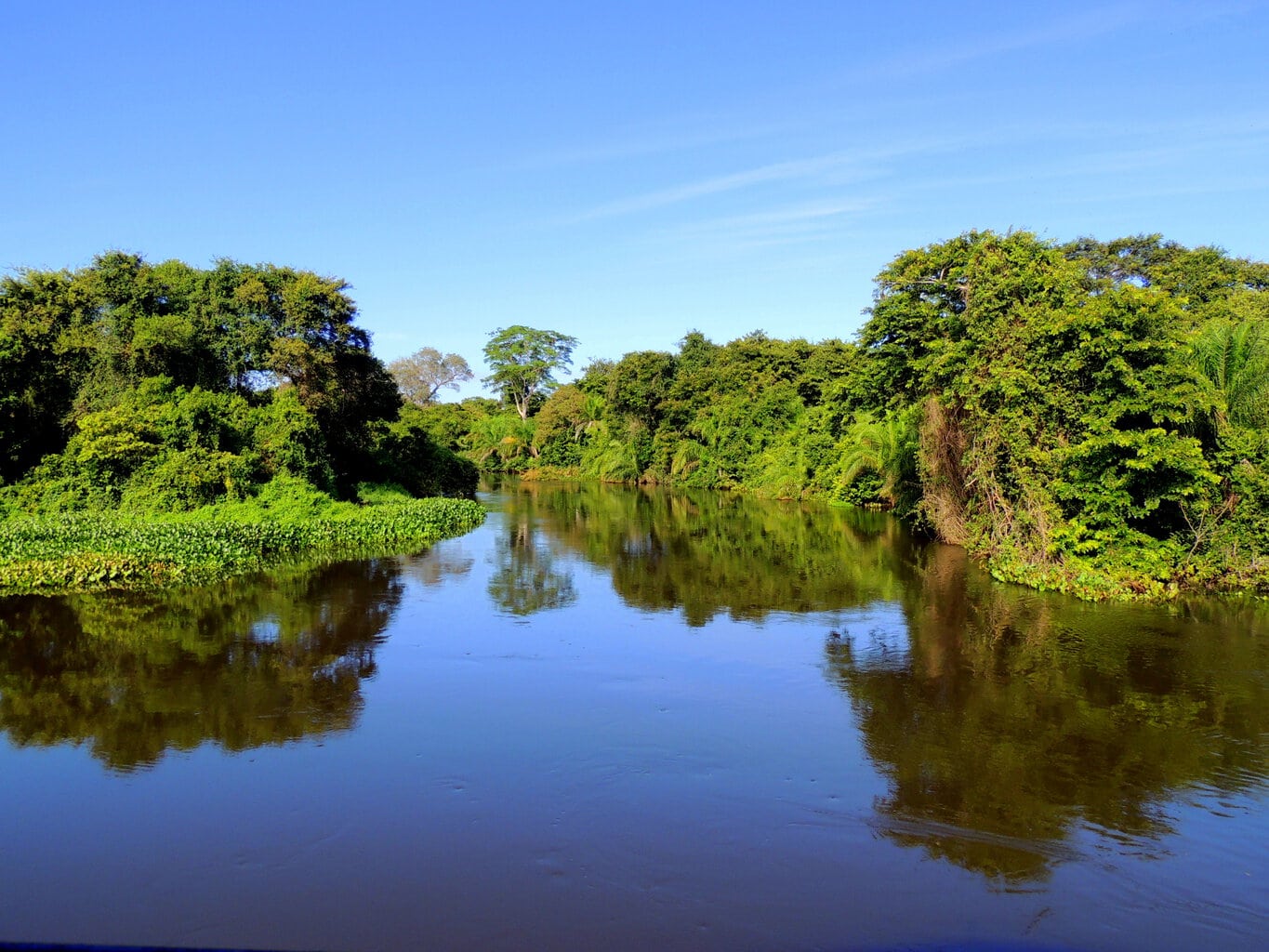
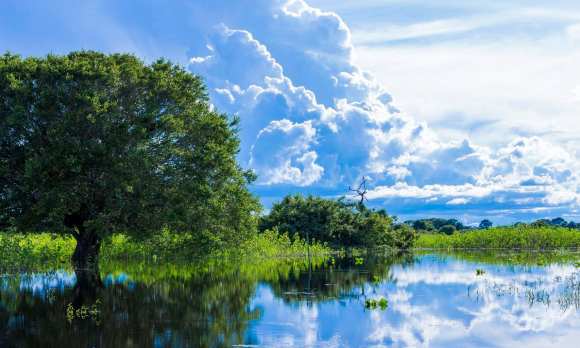
The Pantanal’s most distinctive feature is its seasonal flooding, that dictates the rhythm of life here. From November to March, heavy rains cause rivers to overflow, flooding up to 80% of the floodplain.
This creates temporary lakes, marshes, and river channels that are important breeding and feeding grounds for numerous species.
During the dry season, from April to October, the waters recede, revealing vast grasslands and savannas. This cyclical flooding and drying create a dynamic environment supporting various habitats, from aquatic to terrestrial, each with its interesting plants and animals.
The annual flooding deposits nutrient-rich sediments across the floodplain, enhancing ground fertility and supporting lush vegetation. These nutrients also sustain various aquatic life, from fish to invertebrates, that in turn provide food for higher trophic levels.
Biodiversity Hotspot

The Pantanal is known for its exceptional biodiversity, home to over 1,000 bird species, 400 fish species, 300 mammal species, and countless reptiles, amphibians, and invertebrates. This biodiversity rivals that of the Amazon Rainforest and highlights the ecological importance of this wetland.
Birdlife
The Pantanal is a birdwatcher’s paradise, with species ranging from the iconic jabiru stork, one of the tallest flying birds in South America, to the vibrant hyacinth macaw, the world’s largest parrot. The various habitats support various waterfowl, wading birds, and raptors, making it a crucial breeding and feeding ground for resident and migratory species.
Mammals
The Pantanal is home to several charismatic mammals, including the jaguar, South America’s largest predator. This region has one of the highest densities of jaguars in the world, making it a prime location for observing these elusive big cats. Other notable mammals include the giant anteater, capybara, marsh deer, and the endangered maned wolf.
Aquatic Life
The wet season’s flooding creates ideal conditions for a rich aquatic ecosystem. The Pantanal’s waters teem with fish species, such as piranhas and golden dorados, important to the food web. Aquatic reptiles, including caimans and the endangered yellow anaconda, thrive in the wetlands, while amphibians like the Pantanal swamp frog are adapted to fluctuating water levels.
Interesting Plant Communities

The Pantanal’s plant communities are as various as its wildlife. The seasonal flooding supports various vegetation types, from aquatic plants and grasses to gallery forests and savannas. These plant communities provide habitat, food, and shelter for the myriad species that inhabit the wetland.
Aquatic Plants
During the wet season, aquatic plants like water lilies and floating macrophytes dominate the flooded areas. These plants play a crucial role in maintaining water quality by absorbing nutrients and providing habitat for aquatic invertebrates and fish.
Grasslands and Savannas
As the waters recede, vast grasslands and savannas emerge, covered with various grasses and herbaceous plants. These areas support grazing animals like capybaras and marsh deer, as well as predators like jaguars and maned wolves.
Gallery Forests
Gallery forests, that grow along the edges of rivers and streams, are characterized by tall, dense trees that provide shade and habitat for a range of terrestrial and arboreal species. These forests remain relatively stable through the flooding cycle, offering a refuge for wildlife during the wet season.
Human Influence and Conservation
Human activities have had both positive and negative impacts on the Pantanal. Traditional ranching practices, that have been part of the region for over 200 years, have generally been compatible with the wetland’s ecological processes. However, modern agricultural expansion, deforestation, and infrastructure development pose significant threats to the Pantanal’s integrity.
Conservation efforts in the Pantanal focus on protecting its interesting biodiversity and maintaining its hydrological cycle. The establishment of protected areas, such as the Pantanal Matogrossense National Park in Brazil, helps safeguard critical habitats and species. Additionally, sustainable land-use practices and ecotourism initiatives promote conservation while supporting local economies.
Ecotourism and Cultural Significance
Ecotourism plays a important role in the conservation of the Pantanal, offering economic incentives for protecting this interesting ecosystem. Tourists from around the world visit the Pantanal to experience its incredible wildlife and pristine landscapes.
Activities such as birdwatching, wildlife photography, and guided safaris provide opportunities for visitors to appreciate the region’s natural beauty while contributing to its savation.
The Pantanal also holds cultural significance for the indigenous peoples and traditional ranching communities that have lived in harmony with the wetland for generations. These communities possess valuable knowledge about the ecosystem and its sustainable management, that is crucial for ongoing conservation efforts.
SO, That’s Why Pantanal Matters
The Pantanal is a interesting and important ecosystem that showcases the incredible biodiversity and ecological processes of South America’s tropical wetlands. Its distinctive hydrological cycle, rich plant and animal life, and cultural heritage make it a globally significant natural treasure.
Protecting the Pantanal requires a collaborative effort to balance human activities with the savation of its pristine environments. By valuing and conserving the Pantanal, we ensure that this remarkable ecosystem continues to thrive for future generations to appreciate and enjoy.
Sources:
https://www.nationalgeographic.com/
https://atmosphere.copernicus.eu/
Leave a Reply