


What if a simple piece of paper could stop rare toads and night birds from disappearing forever? In Bournemouth, Christchurch and Poole, United Kingdom, the council just said yes to a big new nature recovery plan.
They want to protect green spaces and help wildlife grow strong again for many years. Based on information in BBC, a special team will work with local people to make better homes for animals like natterjack toads and nightjars.
Everyone feels excited because this plan is not just words. It is a real promise to fix nature. Want to know how it works and why it matters? Here is the story.
A Promise
For many years wildlife has been losing ground in towns and cities. Roads, houses, and fartook away wild places, so animals and plants started to disappear. BCP Council looked at this problem and decided enough is enough.
They made a local nature recovery strategy together with Dorset Council. The plan covers the next ten years and gives a clear map for bringing nature back. It protects almost 2,500 hectares of green spaces and nineteen very special science sites where rare creatures live.
Andy Hadley is the head of climate and environment at the council. He says nature recovery is important everywhere, in villages and big towns. This strategy is a call to action for good change.
The council already has a great greenspaces team that looks after parks and heaths every day. Now they will work with wildlife trusts, health teams, and local people to do even more. A new delivery group will meet often and turn ideas into real projects.
They will plant trees, dig ponds, and cut back plants that grow too wild. Every small job will help animals find food and safe homes again. The plan shows that councils can lead the way when nature needs help. No wonder people feel hopeful for the first time in years.
Special Animals
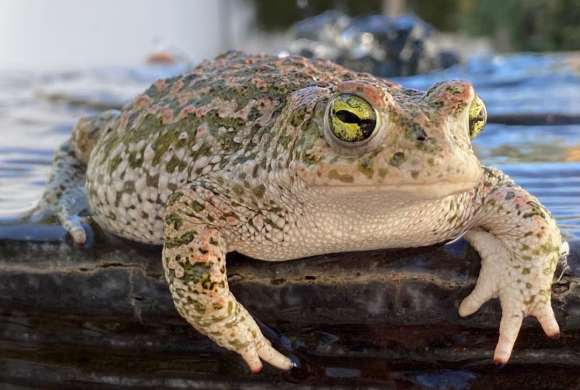
Some creatures are extra rare and need special care. Natterjack toads are one of them. They make a loud singing noise at night and live in sandy pools on heathland. Their numbers fell because people drained wet places and let grass grow too thick.
Nightjars are mysterious birds that fly at dusk and make a strange churring sound like a motor. They nest on the ground and love open heather spaces. Both animals almost vanished from many areas, but the new plan puts them first.
The strategy promises to make shallow pools for toad tadpoles and keep heathland open for nightjar nests. Council workers will scrape away extra grass and let rare flowers grow again. Butterflies, lizards, and tiny plants will come back too.
Everything is connected. When toads have water, dragonflies appear. When nightjars have space, insects stay healthy. The plan uses science to choose the best spots and the right jobs. Local people can join in and learn how to help.
Children will grow up hearing toad songs in spring and nightjar calls in summer. These animals are like alarm bells. If they come back strong, the whole countryside is getting better. The plan wants every garden, park, and wild corner to feel alive again.
Everyone Can Join

This plan is not only for experts. It asks ordinary people to help too. A new delivery group will include wildlife trusts, health workers, schools, and neighbors. They will walk together, talk about problems, and choose projects that work best.
Some jobs are easy. People can plant wildflowers in gardens or leave a patch of grass long for insects. Others need more hands like digging new ponds or clearing paths for rare flowers.
The council will share simple guides and hold free events so everyone knows what to do. Schools can grow meadow patches in playground corners. Businesses can make green roofs for bees.
Even tiny balconies can hold pots of lavender that help butterflies. Public Health Dorset joined the plan because nature makes people healthier and happier. Walking in green spaces lowers stress and brings smiles.
When communities work together, big changes happen fast. One person plants ten flowers, another saves a pond, and suddenly wildlife has thousands of new homes. The plan turns worry into action and loneliness into friendship.
People feel proud when they see the first toad or hear the first nightjar. Small steps add up to giant leaps for nature.
Hope That Can Spread

This strategy is more than local news. It is a model for every town and city that wants wildlife back. Dorset and BCP councils showed how to listen, plan, and promise real change. Natural England will check everything and help make the final version even stronger this winter.
Other places are already watching and copying ideas. The message is simple. Nature can recover if we give it space and care. Green spaces are not just pretty. They are homes for animals and medicine for people.
When councils, experts, and neighbours work together, rare creatures stop disappearing. Natterjack toads will sing again. Nightjars will fill summer nights with their magical sound. Children will grow up knowing wildlife belongs close to home. The plan costs money and time, but the reward is priceless. Healthy nature means cleaner air, happier hearts, and a brighter future.
So maybe your town can start something similar. Plant one wild corner. Join a local group, speak up for green spaces, because very voice counts. Bournemouth, Christchurch and Poole just proved that hope works. One plan, many hands, and suddenly nature is smiling again. The toads are waiting, the nightjars are ready, and all we need to do is open the door and let wildlife come home.
Sources:
Leave a Reply