


Weddings are joyful occasions, filled with love, laughter, and celebration. But beyond the smiles and sparkling lights, they often leave a significant mark on the environment. Many people don’t realize how much carbon dioxide (CO2) a wedding can produce.
From travel to flowers to energy use, these events can create a surprisingly large carbon footprint. Let’s explore how this happens, what couples can do to make their weddings greener, and why even flowers, a symbol of beauty, can contribute to environmental harm.
How Much Carbon Does a Wedding Produce?

Oh wait, weddings actually produce carbon? Of course. Every single activity we do always produce carbon dioxide. That’s why we need to really understand how much carbon we produce in every single activity we do and try to minimize it but not making it less effective or convenience for us.
By the way, weddings, especially big ones, can produce a lot of carbon emissions. For example, a large celebrity wedding where hundreds of guests fly in from different places can create thousands of metric tons of CO2. One estimate showed that a weekend of flights, food, and events could add up to 2,700 metric tons of carbon emissions. That’s the same as several rocket launches into space!
Travel is the biggest contributor to this problem. If hundreds of guests are flying, especially on private jets, the emissions quickly multiply. Even short flights add to the problem. But it’s not just about travel. Weddings also use a lot of energy for lighting, heating, and cooling the venue.
Then there’s the waste—leftover food, disposable decorations, and single-use items like plates and napkins. Even wedding outfits, especially if tailored specifically for the event, can add to the environmental cost.
Rising Costs and Environmental Impacts

In places like the US and UK, fewer people are choosing to get married, but those who do often spend more on their weddings. In 2023, the average wedding cost around $35,000—a big jump compared to pre-pandemic times. With bigger budgets, weddings tend to be more extravagant, which also means a larger environmental impact.
An average wedding in the US creates around 56 metric tons of carbon emissions. To put that into perspective, this is almost four times what a single American produces in a year. Most of these emissions come from travel, food waste, and big venues that use a lot of energy.
During the pandemic, weddings became smaller because of restrictions. Many couples chose Zoom ceremonies, drive-through weddings, or minimal celebrations with just a few close friends and family. But once restrictions ended, “revenge weddings” became popular.
These are larger, more extravagant events meant to make up for the time lost during the pandemic. With weddings returning to their pre-pandemic size, it’s even more important to consider eco-friendly options.
Making Weddings More Sustainable

Weddings don’t have to harm the environment. Couples can make small changes to reduce their impact without losing the joy and beauty of the day.
– Choose a Local Venue: Picking a venue close to where most guests live can cut down on travel emissions. If your family and friends are all in one city, there’s no need to host the wedding in a faraway destination.
– Have Fewer Guests: A smaller guest list reduces travel, food, and waste. It also helps cut costs and makes the event feel more intimate. Many couples are now opting for “micro weddings” for these reasons.
– Hire Local Vendors: Your photographer, florist, and caterer also travel to the venue. Choosing local vendors not only saves on transportation emissions but also supports businesses in the area.
– Pick the Right Venue: While outdoor weddings may seem eco-friendly, they often require generators to power lights, kitchens, and sound systems. These generators usually run on diesel, which isn’t good for the environment. Venues with built-in facilities can be a greener option.
For couples who want to go a step further, carbon offsetting is an option. This involves paying for projects that remove CO2 from the atmosphere, such as planting trees or investing in renewable energy. However, carbon credits can be expensive and might take up a large portion of the wedding budget.
The Environmental Cost of Flowers
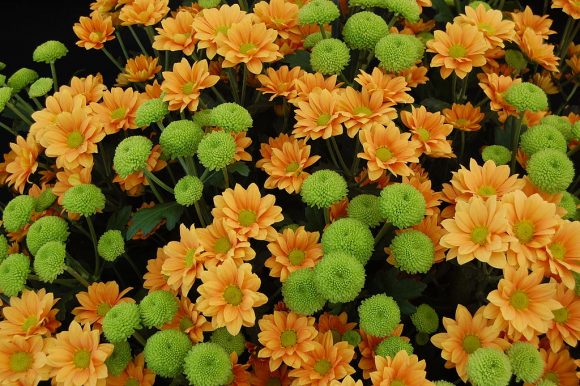
Flowers are an essential part of almost every wedding, adding beauty and elegance to the day. But they also have hidden environmental costs.
Many flowers used in weddings are imported from countries like Kenya, Ecuador, and the Netherlands. Transporting these flowers by air and keeping them cool during the journey requires a lot of energy. In the UK, 86% of cut flowers are imported. Even locally grown flowers often require greenhouses, fertilizers, and refrigeration, which contribute to carbon emissions.
A single imported flower can have a much larger carbon footprint than one grown naturally outdoors. For example, flowers grown in the UK without greenhouses produce far fewer emissions.
Choosing Greener Flowers
Thankfully, small-scale farmers who grow seasonal, local flowers are becoming more popular. These flowers produce fewer emissions and support local businesses. Some florists even offer rewards to couples who choose only local and seasonal blooms.
Going green with flowers does require some flexibility. Seasonal flowers aren’t available year-round, and their quality can depend on weather conditions. For example, peonies, a popular wedding flower, are only available for a few weeks each year in certain regions. Couples who embrace seasonal options can still find beautiful alternatives, like roses or buttercups.
Small Changes, Big Impact

Planning a wedding with the environment in mind doesn’t mean sacrificing beauty or fun. Even small changes can make a big difference:
– Choose seasonal flowers: They’re fresher, cheaper, and better for the planet.
– Reduce waste: Use reusable decorations and donate leftover food.
– Think about energy use: Use solar-powered lights or venues that rely on renewable energy.
– Support local businesses: Buying local food, flowers, and outfits helps reduce emissions and strengthens the community.
Every choice matters. By taking these steps, couples can reduce their wedding’s environmental impact while keeping the celebration meaningful. After all, weddings are about love—not just for each other but also for the planet.
Sources:
Leave a Reply