


Sustainability isn’t just about recycling and using energy-efficient light bulbs. For those truly committed to reducing their environmental footprint, there’s a whole world of advanced home sustainability strategies to explore. These strategies can range from harnessing the power of the sun to collecting rainwater and even composting your kitchen scraps. Let’s dive into some of these advanced techniques and their potential benefits.
Harnessing the Power of the Sun through Solar Energy
Solar energy has become increasingly popular in recent years, thanks to technological advancements and government incentives. There are two main types of solar systems: photovoltaic (PV) and solar thermal. PV systems convert sunlight into electricity, while solar thermal systems use the sun’s heat to warm water or space.
The benefits of solar energy are numerous. Not only does it reduce your reliance on fossil fuels and lower your carbon footprint, but it can also save you money on your energy bills. The initial cost of installing solar panels can be significant, but the long-term savings often outweigh the upfront investment.
When considering solar energy, it’s important to assess your home’s sun exposure and local incentives. Additionally, consult with a qualified solar installer to determine the best system for your needs.

Rainwater Harvesting
Rainwater harvesting is another effective way to reduce your reliance on municipal water supplies. By collecting rainwater and storing it in barrels or cisterns, you can use it for various purposes such as irrigation, toilet flushing, and cleaning.
The benefits of rainwater harvesting include water conservation, reduced water bills, and improved soil health. Additionally, harvested rainwater is often cleaner than tap water, as it doesn’t contain the same chemicals and minerals.
While rainwater harvesting can be a relatively simple process, it’s important to consider factors such as your local climate, water quality regulations, and the potential for contamination.
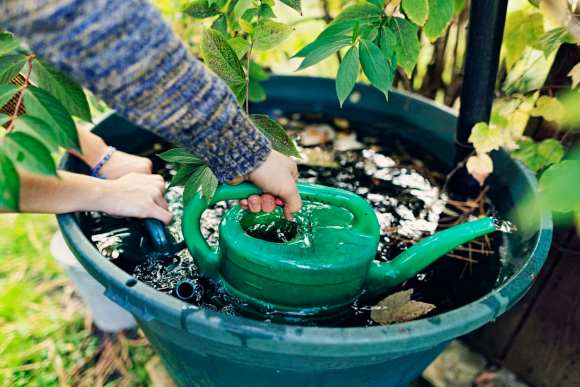
Composting: Turning Waste into Fertilizer
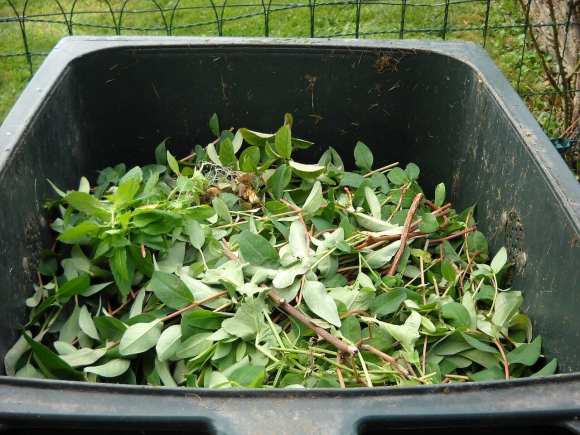
Composting is a natural process that transforms organic waste into a nutrient-rich fertilizer. By composting kitchen scraps, yard waste, and other biodegradable materials, you can reduce your landfill waste and create a valuable resource for your garden.
The benefits of composting include improved soil health, increased plant growth, and reduced reliance on chemical fertilizers. Additionally, composting can help to regulate soil moisture and temperature.
There are several different composting methods, from simple backyard bins to more complex in-vessel systems. The best method for you will depend on your lifestyle, the amount of waste you produce, and your space constraints.
Electric Vehicles
Electric vehicles (EVs) are gaining popularity as a more sustainable alternative to traditional gasoline-powered cars. With advancements in technology and a growing range of EV models available, now is a great time to consider making the switch.
EVs produce significantly fewer greenhouse gas emissions than gasoline-powered cars, helping to reduce air pollution and combat climate change. While the upfront cost of an EV may be higher, you can save money on fuel and maintenance over time. Many governments offer tax credits and rebates for purchasing electric vehicles. EVs often offer impressive acceleration and handling, with a smooth and quiet ride.
In addition to electric vehicles, there are other sustainable transportation options to consider. For short distances, biking or walking can be a healthy and environmentally friendly way to get around. Using public transportation can help reduce traffic congestion and emissions. Sharing rides with others can reduce the number of vehicles on the road and save money on fuel.
By exploring these alternative transportation options and considering the benefits and challenges of electric vehicles, you can make informed decisions about how to reduce your carbon footprint and contribute to a more sustainable future.

Kitchen Gadgets for Sustainable Living
Even in the heart of your home, the kitchen, there are opportunities to reduce your environmental impact. Consider investing in sustainable kitchen gadgets that can help minimize waste and reduce your reliance on single-use plastics. For example, a nontoxic blender can help you avoid harmful chemicals like BPA, often found in traditional blenders. Reusable food storage containers are another excellent option to replace single-use plastic bags and containers. Lastly, a compost bin, even a small one, can help you divert food waste from landfills and create nutrient-rich compost for your garden.

Additional Advanced Strategies
Beyond solar energy, rainwater harvesting, and composting, there are many other advanced home sustainability strategies to explore. Some of these include:
- Geothermal heating and cooling: This technology uses the earth’s constant temperature to heat and cool your home.
- Green roofs: These roofs are covered in vegetation, which can help to insulate your home, reduce stormwater runoff, and improve air quality.
- Energy-efficient windows and insulation: Upgrading your windows and insulation can significantly reduce your home’s energy consumption.
- Smart home technology: Smart thermostats, lighting systems, and appliances can help you to optimize your energy use.

Conclusion
By embracing advanced home sustainability strategies, you can significantly reduce your environmental footprint and create a more sustainable living space. From harnessing the power of the sun to conserving water and reducing waste, these practices offer numerous benefits, including long-term cost savings, improved health, and a positive impact on the planet.
Remember, sustainability is a journey, not a destination. Start by identifying the areas where you can make the most significant impact and gradually incorporate these strategies into your daily life. With a little effort and creativity, you can transform your home into a sustainable oasis that benefits both you and the environment.
Leave a Reply