


Aloe Vera is one of the most popular plants in the world because of its healing properties and multiple uses. But more than just houseplants with unique appearance, there are also several things that make this plant even more unique but most people still do not know.
Therefore, Then, let’s explore some unique facts about this remarkable plant so that we can know it better.
Hallo, Hallo, Aloe Vera
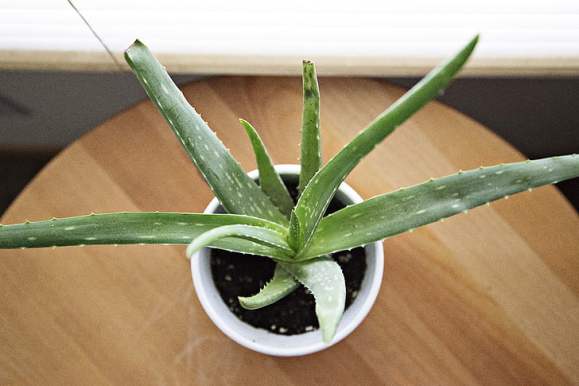
Hallo, first let’s talk about what it is. Aloe Vera, known scientifically as Aloe barbadensis miller, is a succulent plant that has been used for thousands of years for its medicinal and health benefits. Native to the Arabian Peninsula, Aloe Vera is now grown in many parts of the world, especially in hot, dry climates such as Africa, India, and parts of the Americas.
Aloe Vera is a short-stemmed, evergreen plant with thick, fleshy leaves that contain a clear gel. This gel is the main reason the plant is so widely used in medicine and cosmetics. The leaves of the Aloe Vera plant grow in a rosette pattern, with each leaf being around 30 to 50 cm (12 to 20 inches) long. The plant also produces yellow or orange flowers on tall spikes, although it is primarily known for its leaves.
One of the reasons Aloe Vera is so valued is its ability to thrive in harsh conditions. It grows well in arid and semi-arid regions, where water is scarce. The plant stores water in its thick leaves, which helps it survive long periods without rainfall. This makes Aloe Vera a hardy plant that can be easily grown both indoors and outdoors, provided it gets plenty of sunlight and is not overwatered.
Its adaptability and resilience have made Aloe Vera a favorite for home gardeners as well as large-scale farmers.
Medicinal and Nutritional Benefits of Aloe Vera

Aloe Vera is perhaps best known for its medicinal properties, particularly in skincare. The gel found inside Aloe Vera leaves has been used for centuries to treat burns, cuts, and skin irritations. The soothing, cooling nature of the gel makes it perfect for healing sunburns, which is why it is often found in after-sun lotions and creams.
Aloe Vera’s healing powers come from its rich content of vitamins, minerals, amino acids, and antioxidants. The plant contains vitamin C, vitamin E, and beta-carotene, all of which help the skin repair itself. Aloe Vera also contains compounds that can reduce inflammation, making it an effective natural remedy for acne, eczema, and psoriasis.
In addition to its external uses, Aloe Vera has many internal health benefits. Aloe Vera juice is often consumed to help with digestion. It acts as a natural laxative and can relieve constipation. The gel is also said to help balance stomach acidity, making it useful for treating conditions like acid reflux and indigestion.
Aloe Vera is also thought to boost the immune system. Some studies suggest that the plant’s compounds help the body fight off infections and viruses, although more research is needed to confirm these effects. While Aloe Vera juice and gel are often praised for their health benefits, it’s important to note that consuming too much can lead to stomach cramps or diarrhea, so moderation is key.
We can Find Them in Everyday Products

The versatility of Aloe Vera is evident in the wide range of products that contain its extracts. From skincare to health supplements, Aloe Vera has become a common ingredient due to its hydrating, healing, and nourishing properties.
In cosmetics, Aloe Vera is used in moisturizers, face masks, and cleansers. Its ability to soothe the skin and lock in moisture makes it ideal for people with sensitive or dry skin. Aloe Vera is also commonly used in haircare products, such as shampoos and conditioners, as it can help treat dandruff and promote scalp health.
Beyond beauty products, Aloe Vera has also found its way into health supplements. Aloe Vera juice is widely available and is often consumed for its digestive benefits and potential to detoxify the body. Some people drink Aloe Vera juice daily to support their immune system and improve their skin health from within.
Additionally, Aloe Vera can be used for household purposes. For instance, the gel can be applied to minor burns or bug bites to relieve pain and inflammation. Many people also grow Aloe Vera at home as a natural remedy for these types of skin issues. In some cultures, Aloe Vera is even used in cooking, where small amounts of the gel are added to smoothies or salads for its nutritional value.
With its broad range of uses, Aloe Vera remains one of the most accessible and beneficial natural remedies in the world.
Environmental Role and Cultivation
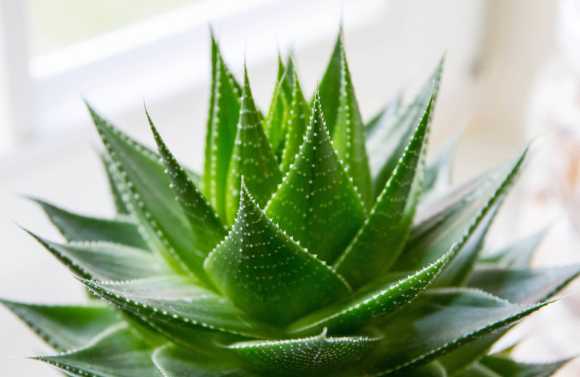
In the wild, Aloe Vera plays an important role in arid ecosystems. Its thick, water-retaining leaves help prevent water loss in dry climates, and its ability to thrive with minimal water makes it a valuable plant in regions prone to drought. Aloe Vera also helps reduce soil erosion in these areas, as its roots stabilize the ground and prevent soil from being washed away.
For those looking to grow Aloe Vera at home, the plant is easy to cultivate. It thrives in bright sunlight and well-drained soil, requiring little water to survive. Its low maintenance makes it perfect for people who want a hardy, drought-resistant plant that also provides medicinal benefits. It can be grown in pots indoors or outside in a garden.
On a larger scale, Aloe Vera is grown commercially for its gel and juice. Sustainable farming of Aloe Vera has become a priority in recent years, as demand for its products continues to rise. Because the plant doesn’t require much water or pesticides, it is considered an environmentally friendly crop. In many regions, Aloe Vera is grown without the use of synthetic chemicals, making it a popular choice for eco-conscious consumers.
Conservation efforts also focus on preventing overharvesting and ensuring that Aloe Vera is cultivated in ways that protect biodiversity. As one of nature’s most valuable plants, ensuring the sustainable production of Aloe Vera helps preserve its benefits for future generations.
Overall, Aloe Vera is a plant with a rich history and a wide variety of uses. From its healing gel that treats burns and skin conditions to its role in digestive health, Aloe Vera continues to be a staple in homes, medicine cabinets, and beauty products around the world.
Especially, its resilience in harsh environments and ease of cultivation make it not only a valuable resource for people but also an important plant for the environment. Whether used for its soothing properties or enjoyed as a refreshing drink, Aloe Vera’s benefits are truly remarkable.
sOURCES:
https://australian-bodycare.com/
https://www.aloeveraaustralia.com.au/
Leave a Reply