


We’ve seen it all on nature documentary shows, internet, and sometimes with our own eyes: shiny black bodies with red hourglass markings and a reputation as the deadliest spiders in North America.
The infamous black widows are so iconic and dangerous that they’ve been turned into a comic book character or some kind of a femme fatale in all sorts of media. But thanks to their reputation, we don’t want to be near them at all in real life.
Love ‘em or hate ‘em, we should care about their existence now because they’ve become prime prey for their cousins—brown widows.
According to a study which was published in Annals of the Entomological Society of America and led by Louis Coticchio, a biologist at the University of South Florida, brown widows aggressively go after their cousins and chase them down. “They don’t play well with being neighbors,” Coticchio said.
One may ask, “But shouldn’t it be okay, though? Spiders eat other spiders, right? Why should we worry about black widows?”
While cannibalism does happen, we should worry because the cousin, brown spiders, are not native species.
All the way from Africa or South America
Brown widows are originally from those two continents, but they’ve now managed to spread through every continent but Antarctica.
In the United States, they were first spotted in 1935 in Florida, and have since colonized the South and parts of the West. Sadly, as the numbers of these non-native arachnids increased, black widows were decreasing in large numbers.
The native black widow spiders, often living in dark, dry spaces near humans, such as in wood piles, sheds or porch furniture, are the original inhabitants in the North America.
Three species in the U.S. fall under the common name black widow: the western species, Latrodectus hesperus; the northern species, L. variolus; and the southern species, L. mactans.
Nonetheless, populations of all black widow species are declining.
Entomologists initially thought that brown widows were outcompeting the native spiders for resources. The thing is, Florida is rife with food and habitat and only black widows that have been diminishing. That was the reason why Coticchio wanted to know if something else was happening.

Family feud
In order to know more about interactions between the two widow spiders, Coticchio and his colleagues placed a brown widow into a tank with either a southern black widow, a red house spider or a triangulate cobweb spider and recorded the outcome.
Coticchio’s hunch was right. It was more than food and habitat competition: they found that brown widows were 6.6 times more likely to attack black widows than the other spiders.
In particular, young brown widows were the ones more aggressive toward their cousins, killing and eating young black widows 80% of the time. Black widows which are adults and paired were eaten in 40% of the trials, while they defensively killed brown widows 30% of the time.
According to the researchers, they weren’t prepared for the contrasting difference of the two widows. The brown ones are boldly aggressive and will immediately investigate a neighbor and attack if there is no resistance from the neighbor.
Their cousins, on the other hand, tend to be “pro-peace” in human terms—only counterattacking to defend themselves against an aggressive spider. “We didn’t expect to find such a dramatic and consistent difference in the personalities of the brown widow and the black widow,” co-author Deby Cassill said.
The researchers still don’t know the reasons why brown and black widows have such different responses to each other. Although, they plan to continue their observations in different parts of the world, such as Africa.
Not yet considered invasive
Other than predation, brown widows can potentially replace their native cousins due to their biology. Unlike black widows, the brown ones can lay more eggs and reproduce earlier in their lives than black widows do, resulting in more offspring.
Despite these facts, however, brown widows are not considered invasive in the United States. While in Israel, they’ve already got that label.
According to Monica Mowery, a spider biologist at Ben-Gurion University of the Negev in Israel who was not involved in the new study, “We have found similarly high levels of aggression and activity in invasive brown widows in Israel. One key remaining question is whether brown widows are outcompeting local species [elsewhere].”
If brown widows continue to decimate their native cousins, Coticchio “would love to see the attitude toward them changed.”
And well, we want the same thing even though we fear black widows. It is important to prevent black widows from being totally wiped out and take necessary precautions before it’s too late to give brown widows the invasive label.
Native species, black widows or others, are vital to prepare for climate change, as another study suggests.
Getting rid of invasive species: why it’s important
According to new research recently published in the Proceedings of the National Academy of Sciences, the ecological effect of invasive species alone is comparable to the combined effects of invasives plus warming temperatures, drought or nitrogen deposition.
Therefore, in order to better prepare for climate change, invasive species should be managed well at the local level.
With the planet’s decreasing ecological health, researchers have previously identified many contributors, one of which is invasive species. Before, it was assumed that climate change would consistently amplify the negative effects of invasives—although there was no research to test that assumption.
Senior author Bethany Bradley said, “The good news is that the bad news isn’t quite as bad as we thought.”
The research team did a meta-analysis of 95 previously published studies. They found 458 cases that reported on the ecological effects of invasive species combined with drought, nitrogen or global warming.
Lead author Bianca Lopez said, “What we found surprised us. There were a number of cases where the interactions made everything worse at the local scale, which is what we expected to see, but only about 25% of the time.”
Lopez stated that most of the time, invasions and environmental change, when put together, didn’t make each other worse. In fact, the impact of invasive species alone was much bigger than combined effects.
“What is so important about our findings is that they highlight the critical importance of managing invasive species at the local scale,” said Jenica Allen, professor of environmental conservation at University of Massachusetts Amherst and one of the researchers.
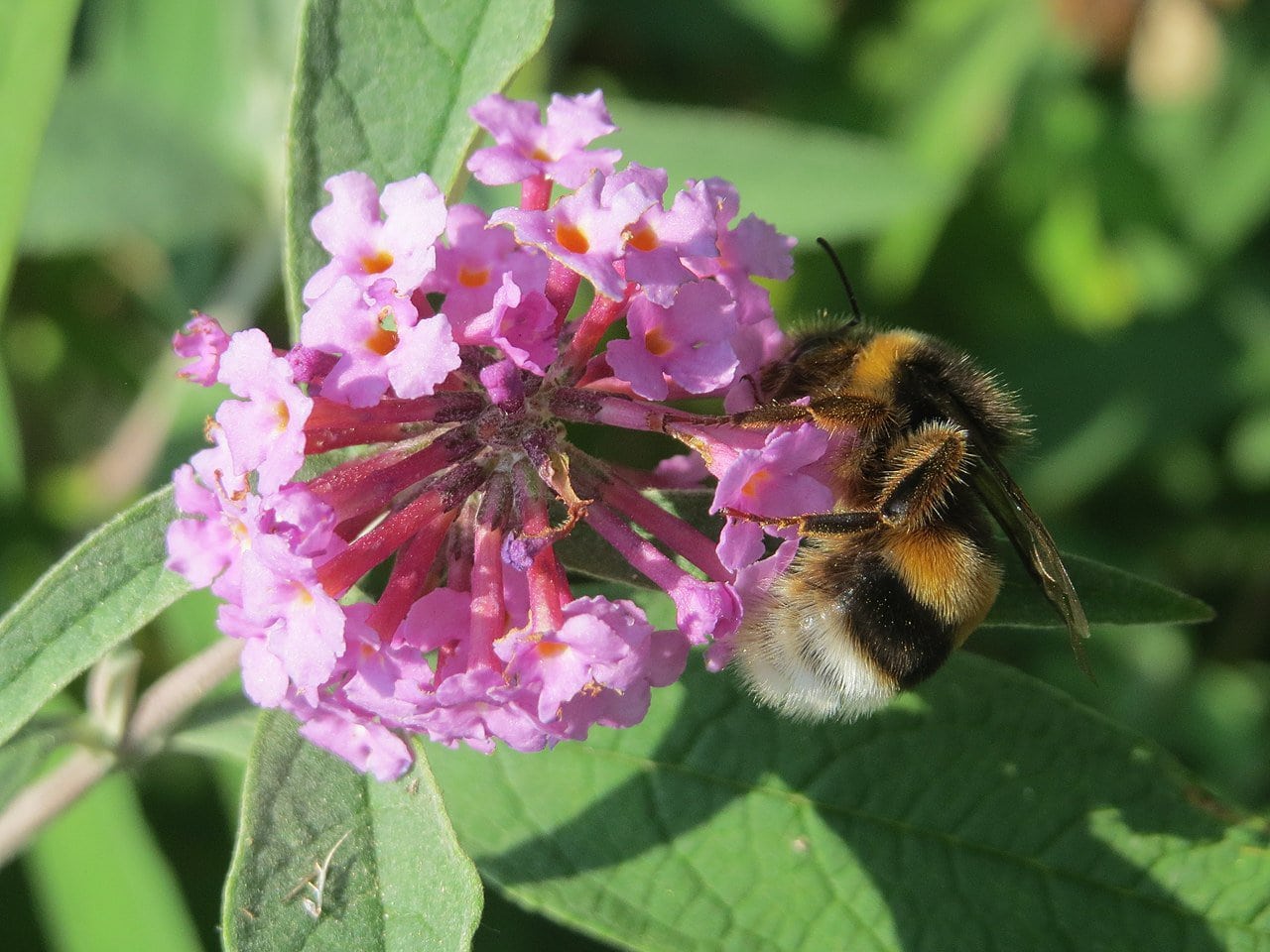
Local-scale invasive species extermination
Per the research, local scale efforts have more impact when it comes to making a change because it is where effective and swift action is most likely to happen.
According to Allen, such efforts are already happening, with organizations like the Northeast Regional Invasive Species and Climate Change (RISCC) Network as an example.
Groups like RISCC, a network of scientists and natural resource managers with dedication to share information and best practices about dealing with invasives, are implementing proactive practices to deal with invasive species.
This study suggests that confronting invasive species is comparatively cost-effective and doesn’t require future technological innovation. Therefore, it’s easier to see real progress.
Bradley said, “Our work shows that dealing with invasive species now will make our ecosystems more climate resilient.”
Now, for black widows, among other native species in the United States which are under threat but haven’t received the care they need, studies like Coticchio’s can be great supporting data to push for more conservation.
Let’s just hope that black widows can stay resilient until more actions are made to protect them.
Sources
https://www.sciencedaily.com/releases/2022/06/220603100136.htm
Leave a Reply