

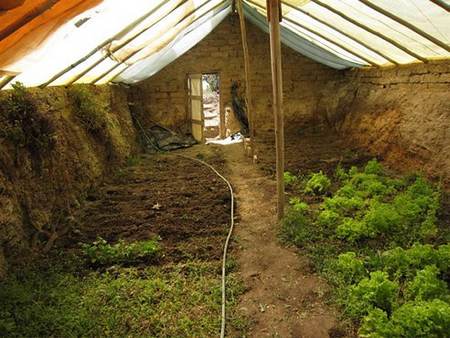
Gardening throughout the year, even in cold climates, is possible with an underground greenhouse, also known as a walipini. This type of greenhouse takes advantage of the earth’s natural heat, keeping plants warm and protected from harsh weather conditions.
Many gardeners rely on traditional greenhouses, but these can be expensive to build and costly to heat during the winter. A walipini, on the other hand, is a budget-friendly and highly effective alternative, requiring only around $300 to construct.
By utilizing simple materials and an efficient design, gardeners can enjoy fresh produce all year round without the need for expensive heating systems.
How an Underground Greenhouse Works

An underground greenhouse is essentially a sunken structure built below ground level. It relies on solar energy and the thermal mass of the earth to create a stable environment for plant growth. The walipini concept was originally developed in South America, where farmers in high-altitude regions needed a way to cultivate food throughout the year despite harsh weather.
Traditional glass greenhouses, while effective, require costly heating systems to maintain warmth during the colder months. A walipini solves this problem by retaining heat underground, where temperatures remain significantly more stable than those above the surface.
The effectiveness of an underground greenhouse comes from its ability to combine passive solar heating with earth insulation. Sunlight enters through a plastic-covered roof, warming the soil and air inside. Meanwhile, the surrounding ground acts as a natural insulator, preventing heat loss and keeping the internal temperature steady.
This design ensures that plants remain warm in winter while staying cool in the summer, making it a reliable solution for year-round gardening.
Steps to Build an Underground Greenhouse
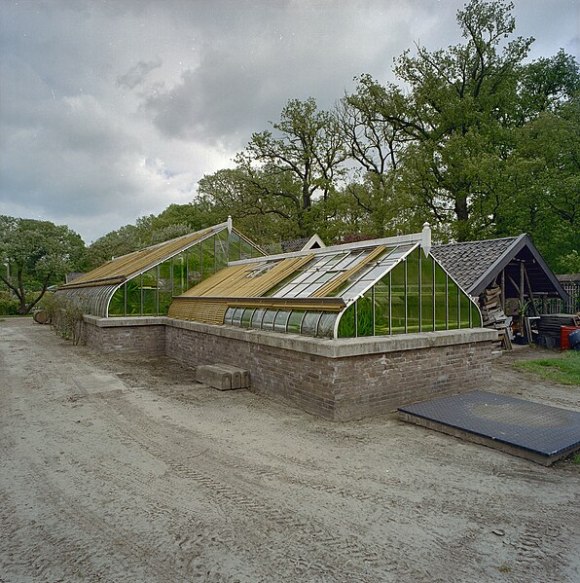
Building an underground greenhouse is a straightforward process that requires careful planning and some manual labor. The first step is selecting an appropriate location. Ideally, the site should receive plenty of sunlight throughout the day to maximize solar heat absorption.
In the Northern Hemisphere, the greenhouse should face south to capture the most sunlight, while in the Southern Hemisphere, it should face north. It is also important to choose a spot with good drainage to prevent flooding, as water accumulation inside the greenhouse can lead to plant damage and structural issues.
Once the location is determined, the next step is to dig the hole for the greenhouse. The recommended depth is between six and eight feet, as this allows for sufficient insulation while providing enough space for plant growth. The dimensions can vary depending on individual needs, but a common size is approximately 20 feet in length by 74 feet in width. It is crucial to ensure that the floor is level to support even plant growth and facilitate proper drainage.
The construction of the walls is an essential part of the building process. The back wall, which is positioned away from the sun, should be taller to help support the roof structure. The front wall, which faces the sun, should be lower to allow maximum sunlight penetration. Using durable materials such as rammed earth, bricks, or concrete blocks will help maintain stability and longevity.
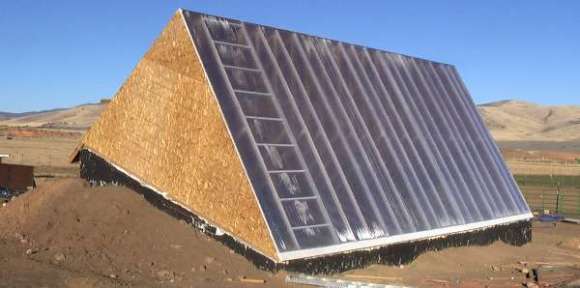
For the roof, a simple yet effective design involves using wooden beams or PVC pipes to create a frame, which is then covered with two layers of plastic sheeting. This double-layered approach helps trap warm air inside while still allowing sunlight to enter. To prevent premature deterioration, it is advisable to use UV-resistant plastic sheeting, which can withstand prolonged exposure to sunlight.
Proper ventilation and drainage systems are essential for maintaining a healthy growing environment inside the walipini. Installing small windows or vents in the roof allows excess heat to escape on warm days, preventing overheating. Drainage can be managed by creating a slight slope in the floor or installing a drainage pipe to channel excess water away from the greenhouse.
Keeping the interior well-ventilated and free from excessive moisture helps reduce the risk of mold and fungal diseases that could harm plants.
What to Grow in a Walipini
With the greenhouse structure in place, the final step is planting. A wide variety of vegetables, herbs, and fruits thrive in a walipini, making it a versatile option for gardeners. Leafy greens such as lettuce, spinach, and kale do particularly well, as do root vegetables like carrots, radishes, and beets.
Herbs including basil, cilantro, and parsley also flourish in this environment. Additionally, small fruiting plants such as tomatoes, strawberries, and peppers can be grown successfully, providing a continuous supply of fresh produce throughout the year.
To ensure the long-term success of an underground greenhouse, regular maintenance is necessary. Checking the plastic sheeting periodically for tears or damage is important, as any holes can allow heat to escape. Replacing worn-out plastic will help maintain proper insulation and protect the plants inside.
Managing humidity levels is another key factor in keeping the walipini in good condition. Excess moisture can lead to mold growth and root rot, so ventilation should be adjusted as needed to maintain a balanced environment.
Why It Is a Smart Choice

An underground greenhouse is an excellent investment for gardeners looking to extend their growing season without incurring high costs. By utilizing the power of solar energy and the insulating properties of the earth, a walipini creates an ideal environment for plant growth year-round.
With basic materials and a simple design, it is possible to construct a functional and efficient greenhouse for as little as $300. Whether the goal is to reduce grocery expenses, enjoy fresh homegrown produce, or become more self-sufficient, building a walipini is a practical and rewarding solution.
For those ready to take the next step, now is the perfect time to start planning an underground greenhouse. With the right preparation and effort, anyone can enjoy the benefits of year-round gardening, no matter the climate.
Using this sustainable and cost-effective method to food production ensures not only a steady supply of fresh vegetables but also a deeper connection to nature and a more resilient way of living.
Sources:
https://www.treehugger.com/build-underground-greenhouse-garden-year-round-4858745
Leave a Reply