


When people hear the word sustainability, they often think of efforts like recycling, reducing carbon emissions, or adopting renewable energy. And while these are important aspects, sustainability in business extends beyond environmental concerns. It also involves using resources efficiently, operating ethically, and ensuring long-term financial resilience. As a result, sustainability should become a strategic priority for businesses.
In Singapore, this shift is particularly evident. Through its Singapore Green Plan 2030 and various sector-specific roadmaps, the government is actively encouraging businesses to adopt more sustainable practices. In response, many companies are setting sustainability performance targets to track and manage their environmental and social impact in a structured manner.
These targets may include goals such as reducing energy use, minimising waste, or improving supply chain practices, supported by strategies like securing a sustainability linked loan. Ultimately, setting clear targets promotes accountability and helps businesses make steady, measurable progress toward their sustainability objectives.
To expound further, here’s how businesses in Singapore can create their own practical and effective plans to meet their sustainability performance targets—which you can use in your own practice of leadership over your company:

1) Align with Singapore’s Sustainability Goals
Singapore’s Green Plan 2030 lays out an ambitious national roadmap to advance sustainable development. It includes targets such as increasing solar energy deployment, reducing waste sent to landfills, and greening at least 80 percent of buildings by 2030.
For businesses, aligning with these goals ensures regulatory compliance for doing business and long-term strategic value for companies. Align your sustainability goals with those that have been drawn up to contribute towards a greener Singapore, and your stakeholders will pay attention.

2) Consider Tapping into Government Support and Green Financing Options
The Singapore government actively supports businesses in their sustainability journey through a variety of grants, incentives, and development programmes. These are particularly beneficial for small- and medium-sized enterprises (SMEs), which may face resource constraints when investing in green initiatives.
One such initiative is the Enterprise Sustainability Programme (ESP), which provides capability-building support to help businesses develop and adopt more sustainable practices. The ESP also offers workshops, consultancy support, and access to the Sustainability Open Innovation Challenge, which encourages innovation in green solutions.
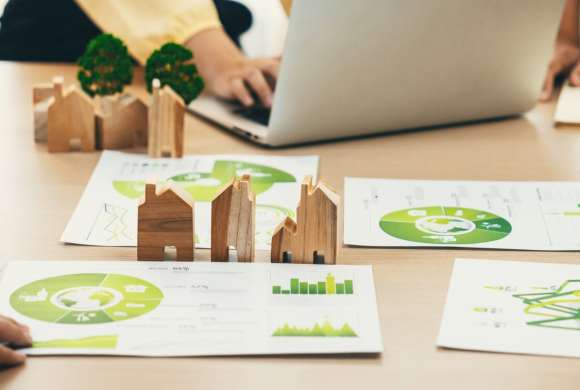
Beyond direct government support, financial institutions in Singapore have also introduced sustainability-linked loans that provide businesses with access to capital tied to their sustainability performance. These loans typically offer lower interest rates or other financial incentives when businesses meet agreed-upon environmental, social, or governance (ESG) targets.
Moreover, sustainability-linked loans are useful for companies undertaking major upgrades in areas such as clean energy adoption, sustainable sourcing, or emissions reduction. They not only provide funding but also signal to investors and clients that the business is serious about integrating sustainability into its long-term strategy.
3) Identify Key Areas for Sustainable Improvement
Once you’re aligned with national goals and are aware of the available support, the next step is to identify where improvements can be made within your business operations. Start with a sustainability audit, which involves assessing your current processes, resource use, and environmental footprint. This can be done internally or with the help of consultants or government-backed advisory services.

Common focus areas include energy consumption, water usage, waste generation, and supply chain sustainability. For instance, switching to energy-efficient lighting and machinery can result in significant savings and emissions reduction. Water usage can be optimised by installing low-flow fixtures or adopting water recycling systems.
Waste management, particularly in sectors like F&B or retail, can be improved through composting, proper recycling, or switching to biodegradable packaging. Lastly, even administrative functions like reducing paper use or adopting digital tools can contribute to your company’s overall sustainability.
4) Create Measurable Strategies and Timelines
Next, when you’ve identified where improvements can be made, it’s time to set goals and design strategies that are both ambitious and achievable. Break your goals down into short-, medium-, and long-term strategies.
Short-term actions may include simple behavioural changes such as turning off lights when not in use or going paperless. Medium-term strategies might involve equipment upgrades, while long-term goals could target carbon neutrality or supply chain transformation.
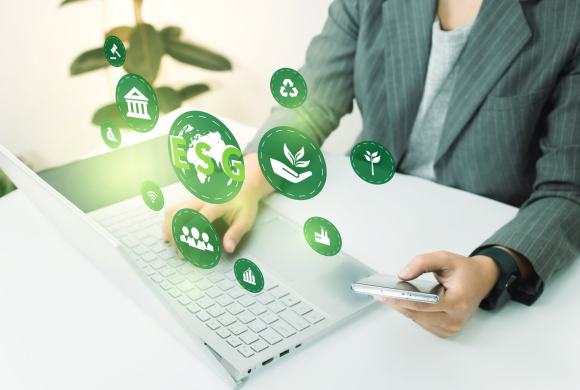
Additionally, assign clear responsibilities within your team or departments to ensure accountability, and integrate your sustainability goals into your business KPIs. Creating a timeline with regular milestones will also keep your efforts on track and make it easier to course-correct when needed.
5) Monitor Progress and Adapt Over Time
Sustainability planning does not end with implementation. Consistent monitoring and review are also vital. With this in mind, you can use digital tools or sustainability dashboards to track metrics such as energy consumption, water use, and waste output. These tools provide real-time insights that enable you to identify inefficiencies and optimise performance.
You can also conduct quarterly or bi-annual reviews to assess whether you’re meeting your targets. If certain strategies aren’t yielding the expected results, be prepared to revise them.
6) Communicate Sustainability Efforts
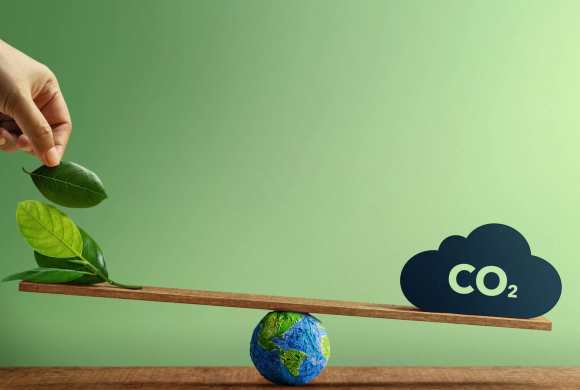
As your business makes progress, it’s important to communicate your sustainability efforts both internally and externally. Share your journey to enhance transparency and strengthen your brand’s reputation, particularly among environmentally conscious consumers and investors. You may also be able to boost employee morale and engagement by showing that your company is committed to making a positive impact.
Clear and actionable sustainability plans are becoming essential for businesses operating in Singapore’s increasingly eco-conscious and regulation-focused environment. Rather than viewing sustainability performance targets as a one-time requirement, businesses should approach them as part of a continuous journey that aligns their long-term growth with their fulfilment of environmental and social responsibility.
Take meaningful steps towards a greener future as early as today. Begin by evaluating your current sustainability performance, and work towards building a practical roadmap that supports both your business goals and Singapore’s broader sustainability vision.
Leave a Reply