


California’s commitment to eco-friendly projects is commendable. The Golden State’s goal for 100% renewable energy by 2045 sets strict guidelines for emission standards, investing in sustainable transport and resource protection.
The West Coast’s recycling initiatives are worth a mention as well. California is ranked 5th place in the U.S. as one of the states that recycle the most materials.
While most cities offer curbside collection or drop-off sites, recycling centers are going above and beyond to encourage residents to reduce, reuse and recycle.
Below, we’ll explore how California’s recycling plans are finally bearing fruit.
Long Beach Mattress Recycling

According to NBC Los Angeles, about 18,000 mattresses are dumped illegally in Long Beach annually.
In April 2023, the city initiated a pilot program to prevent the unsightly dumping of mattresses and box springs in alleyways. Long Beach, in collaboration with an NGO, offered free drop-offs at a city yard.
About 75% of a mattress is recyclable. The foam becomes carpet padding, and the wood is mulched or composted.
The project proved so successful after collecting and recycling more than 900 mattresses and box springs that the city made it a permanent feature.
In August 2024, California added 250 new recycling sites across the state to support its California Redemption Value (CRV) program.
California Redemption Value (CRV)

Governor Gavin Newsom approved SB 1013 earlier in the year, allowing wine and liquor bottles to be included in the redemption program.
Unlike typical recycling centers, when visiting a Long Beach recycling center, the site not only pays customers for their items but also refunds CRV deposits. The deposit applies to aluminum, plastic, glass, and bimetal containers.
Currently, CRV is 5 cents for containers less than 24 ounces and 10 cents for containers 24 ounces or larger.
Corridor Recycling says while some centers only take recyclable materials like the usual glass, plastics, and scrap metals, others take anything that’s worth recycling.
Curbing Textile Waste
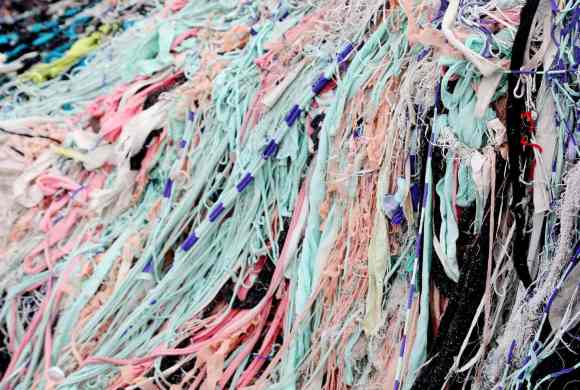
According to CalRecycle, California residents throw away 1.2 million tons of textiles a year. About 3% end up in landfill.
In an attempt to tackle the textile waste problem, the Responsible Textile Recovery Act was signed into law. Manufacturers are required to develop sustainable plans to manage discarded textiles.
Jessica Toth, executive director of the Solana Center, tells the news channel that textiles in landfills emit off-gas methane, contributing to climate change.
CBS8 reports that the bill requires certain textile producers to create a Producer Responsibility Organization to fund reuse, repair, and recycling programs.
The bill takes full effect in 2028.
Organics Recycling
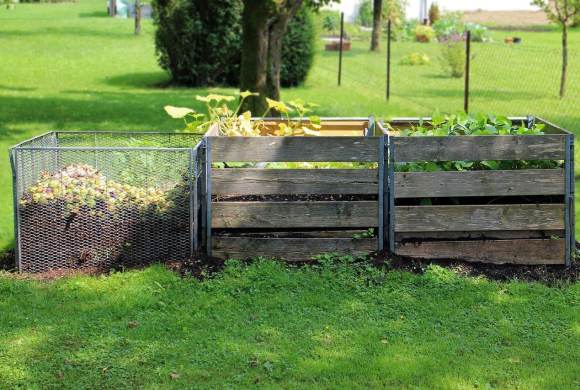
Several states mandate organics recycling, but none are as on a massive scale as California.
According to AP, the state aims to slash about 75% of organic waste it sends to landfills by 2025 from 2014 levels. However, some challenges remain.
Experts say only three-quarters of communities collect organic waste from homes, hampering California’s emissions reduction goal.
Getting residents to sort trash into a third bin and properly separate waste is proving somewhat problematic. Another is deciding how to use the nutrient-rich compost made from collected grass clippings, tree branches, and food scraps.
Nonetheless, authorities are confident they can overcome these hurdles.
Sustainable Building Materials

A new recycling facility in Lodi will use advanced recycling to convert food cartons into durable construction boards without water, formaldehyde glues, or hazardous chemicals.
The eco-friendly method reduces the carbon footprint by at least 80% compared to conventional materials.
With production set to start at the end of the third quarter, the facility will recycle post-consumer cartons like gable tops and aseptic containers.
A step in the right direction, the undertaking showcases how private-sector partnerships with recycling advocates can drive economic growth.
Taking the Lead
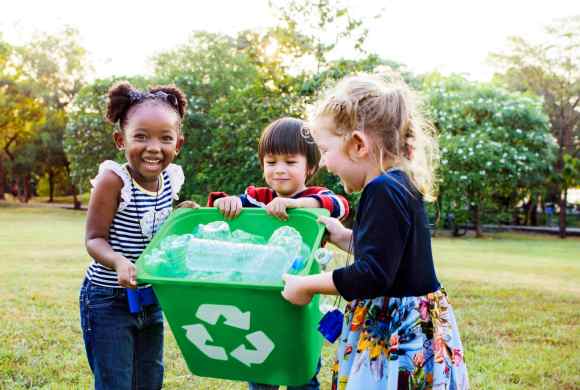
California is working hard towards a sustainable future. While some may argue its goals are ambitious, incentivizing various initiatives aids in getting the state halfway there.
With the help of communities and educating them on the importance of recycling, it’s important to empower them to know the environmental payoffs and financial payoffs.
The reality is that residents are building a more sustainable future for generations to come via their recycling efforts and recycling programs.
Services and businesses across the state are also playing their part by disposing of waste in locations close by instead of dumpsters.
By leading by example, they can teach their children how to live in a world governed by the circular economy. Minimize waste and resource consumption by keeping materials and products in use for as long as possible. That’s a life lesson worth preserving.
Frequently Asked Question
1. What is California’s goal for renewable energy by 2045?
California aims to achieve 100% renewable energy by 2045, setting strict emission standards and investing in sustainable transport and resource protection to support this ambitious goal.
2. What is the California Redemption Value (CRV) program?
The CRV program reimburses individuals for returning eligible beverage containers, such as plastic, glass, and aluminum bottles. The state has added 250 new recycling locations and expanded the program to include wine and liquor bottles, with a 5- or 10-cent refund depending on the size of the container.
3. How can California’s recycling initiatives contribute to a sustainable future?
California’s recycling programs help reduce waste, lower emissions, and conserve resources, contributing to a more sustainable future. By educating residents about recycling and supporting various initiatives, the state is creating long-term environmental and economic benefits for future generations.
4. How can businesses and residents contribute to California’s recycling goals?
Both businesses and residents can play a key role in California’s recycling success by participating in local programs, properly sorting waste, and supporting sustainable practices. Additionally, businesses can reduce waste by using recycling facilities and avoiding dumpsters that end up in landfills.
5. Why is the circular economy important in California’s recycling efforts?
The circular economy encourages minimizing waste and maximizing the reuse of materials and products. By adopting circular economy principles, California aims to extend the lifespan of resources, reduce environmental impact, and teach future generations to value sustainability.
Leave a Reply