

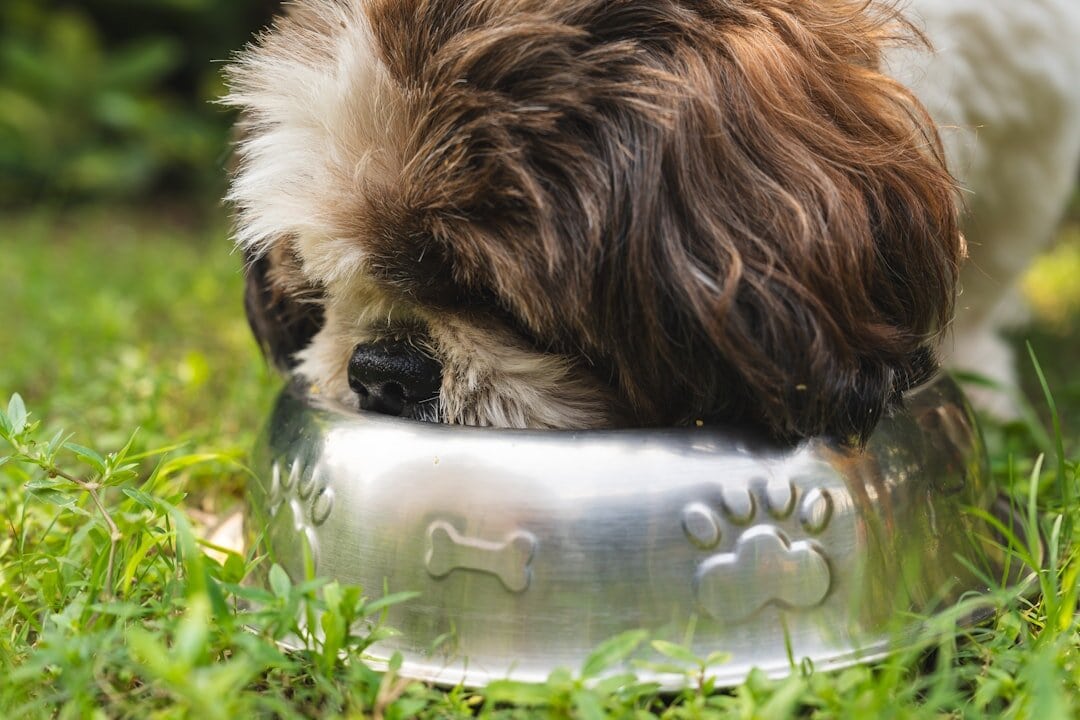
Dogs often beg for a taste of whatever you’re eating, but not all human foods are safe for them. Treats from your plate might seem like love, but some can cause serious harm.
Veterinary experts advise that no more than 10% of a dog’s diet should consist of treats, including any human food. While vegetables and proteins can offer healthy options, others, like chocolate or grapes, are dangerous.
We are talking about safe vegetables and proteins, fruits and dairy your dog can enjoy, foods they should absolutely avoid, and smart ways to feed them safely here. Follow through to know more.
Vegetables and Proteins

Carrots are one of the easiest vegetables to share with your dog. They are low in calories and packed with fiber and vitamins, especially vitamin A. Crunching on raw carrot sticks may even help clean teeth by scraping plaque away.
Dogs enjoy the sweetness and texture, and small pieces work well as training treats or snacks. Make sure to cut them into bite-sized chunks to avoid choking, especially for smaller breeds.
Green beans are another healthy choice. They offer iron, calcium, and vitamin K while being low in calories. For dogs with weight concerns, green beans can replace high-calorie snacks. It’s best to cook them plain and avoid added salt or spices.
Dogs that eat them raw may experience stomach discomfort due to lectins, so steaming or boiling them makes digestion easier. Canned green beans can also work if they are salt-free.
Cooked, unseasoned chicken is a staple for many dogs. It provides lean protein and works well for dogs with digestive issues or allergies. Always remove skin, bones, and seasoning. Salmon is also a valuable protein, especially for dogs with dry skin or dull coats.
Rich in omega-3 fatty acids, salmon improves fur quality and reduces inflammation. Always cook salmon thoroughly and remove all bones to prevent choking or internal injuries.
Eggs are another protein-rich food dogs can eat in moderation. They must be cooked to eliminate the risk of salmonella. Scrambled or boiled eggs make a quick and nutritious addition to a meal. Avoid seasoning or oil when preparing them.
Fruits and Dairy

Apples are sweet, crunchy, and a great source of fiber and vitamin C. They help freshen breath and may contribute to dental health. The seeds and core must be removed because apple seeds contain cyanide, which is toxic to dogs.
Sliced apples are perfect for hot days or as light treats during training sessions. Their low-calorie content makes them ideal for overweight dogs. Strawberries provide vitamin C and antioxidants. When served fresh and washed, they can be a refreshing summer treat. Freezing strawberries makes them even more enjoyable in hot weather.
However, they contain natural sugars, so servings should remain small to prevent stomach upset. Also, avoid canned strawberries and flavored products, which often contain added sugar or artificial sweeteners.
Bananas offer potassium and vitamin B6, supporting heart and muscle function. They’re soft and easy to digest but also high in sugar, so moderation is key. A few small slices are usually enough. Some dogs enjoy frozen banana pieces as a cooling treat.
Plain yogurt and cottage cheese support digestion and add protein to a dog’s diet. Choose low-fat, unsweetened varieties without artificial flavors. Yogurt with live cultures may help dogs with sensitive stomachs, though not all tolerate dairy well. For lactose-intolerant dogs, even small servings can lead to gas or diarrhea, so observe their reaction after the first introduction.
Pumpkin is another dog-friendly food that supports digestion and helps with both diarrhea and constipation. A spoonful of plain, cooked pumpkin added to food can regulate bowel movements and support overall gut health.
Which Foods Are Toxic?

Chocolate is one of the most dangerous human foods for dogs. It contains theobromine and caffeine, which dogs cannot metabolize effectively. Dark chocolate is especially toxic because of its higher theobromine content.
Even a small amount can lead to vomiting, rapid heartbeat, tremors, or seizures. During holidays or celebrations, make sure chocolate is stored securely out of your dog’s reach.
Grapes and raisins are toxic to dogs regardless of the amount. They can lead to kidney failure, and some dogs react even after eating a single grape. Symptoms include lethargy, vomiting, and loss of appetite.
There’s no antidote, so immediate veterinary attention is necessary. Foods containing hidden grapes, like trail mix or baked goods, should also be kept far from your dog.
Onions and garlic damage red blood cells, leading to anemia. This includes powdered forms found in soups, gravies, and seasoning mixes. A small amount consumed over time can build up toxic effects.
Symptoms may not appear right away but can include weakness, pale gums, or vomiting. Dogs that eat food with any type of Allium plant, such as leeks or chives, should be monitored closely.
Avocados contain persin, a toxin that may cause vomiting and diarrhea in dogs. The large pit also poses a choking hazard. Although small amounts of avocado flesh may not harm some dogs, it’s safer to avoid them altogether.
Xylitol, an artificial sweetener found in gum, baked goods, and some peanut butters, is extremely toxic. Even a small amount can cause a dangerous drop in blood sugar, leading to seizures or liver failure. Always check ingredient labels before giving your dog any human food, especially packaged or low-sugar products.
How About Human Foods?

When giving your dog new foods, always begin with a small amount. This helps you observe how your dog reacts. Some dogs have allergies or sensitivities that aren’t immediately obvious. Signs of a bad reaction include vomiting, itching, diarrhea, or behavioral changes. If any of these symptoms appear, stop feeding the food and contact your veterinarian.
Cooked foods should be plain. Dogs do not need salt, garlic, onion powder, or rich sauces. Bake, boil, or steam meats and vegetables without oil or seasoning. Raw meat carries the risk of harmful bacteria like Salmonella and E. coli, so it’s safer to serve foods that are fully cooked.
Avoid bones from cooked meat, especially poultry, as they can splinter and cause injuries to the throat or intestines. If you want to offer your dog a bone, choose vet-approved raw bones under supervision or safe synthetic chew toys.
Keep your dog’s size and energy level in mind. A large working dog can handle more treats than a small couch companion, but all dogs need balanced meals first. Treats, even healthy ones, should not replace proper dog food formulated with the right mix of nutrients.
It helps to create a short list of safe human foods taped to your fridge or written in your phone for quick reference. When preparing meals, offer treats at the same time daily to avoid begging habits. Consistent routines help dogs feel secure.
Keep your veterinarian’s number and a pet poison control contact handy. If your dog eats something questionable, acting quickly can prevent serious harm. Online databases of safe and toxic foods for dogs are also useful, but professional advice is always best in emergencies.
Sources:
Leave a Reply