

We hear it all the time. Climate change. Deforestation. Pollution. The news makes it feel hopeless. But here’s a better question: can small, everyday actions actually help the Earth?
The answer is yes. Not just a feel-good yes, but a real, measurable one.
This guide breaks it down. What works. What doesn’t. And what you can start doing right now.
Why It’s Not Too Late
The world is changing, but not all of it is bad. In fact, many environmental trends are improving thanks to small efforts adding up.
- Solar power is now the cheapest source of energy in history, according to the International Energy Agency.
- The U.S. added more than 40 gigawatts of clean energy in 2023 alone.
- Tree planting campaigns have restored more than 10 billion trees globally in the past decade.
- Plastic bans in over 90 countries are cutting waste fast.
These shifts happened because people asked for them. Because cities, companies, and individuals took action.
Now it’s your turn.
Where to Start
You don’t need to live off the grid. You don’t need to stop flying. Start with what you can control. Then build from there.
Rethink Trash
The average American makes over 4 pounds of trash a day. That adds up to 1,500 pounds a year.
Simple fix:
- Keep a small recycling bin next to every trash can at home.
- Compost your food scraps. Even banana peels and coffee grounds help build healthy soil.
- Carry a reusable water bottle. One bottle can save 167 plastic ones a year.
Amy, a teacher in Oregon, started composting at home with a $20 bin she bought online. “It reduced my kitchen trash by half,” she said. “Now my garden grows better, too.”

Use Less Power
Most electricity still comes from fossil fuels. Cutting your use helps lower carbon pollution.
- Unplug chargers when not in use.
- Switch to LED light bulbs. They use 75% less energy.
- Wash clothes in cold water. It works just as well and saves money.
- Try turning off your Wi-Fi at night. It saves power and helps you sleep better.
Travel Smarter
You don’t need to buy a Tesla to cut emissions.
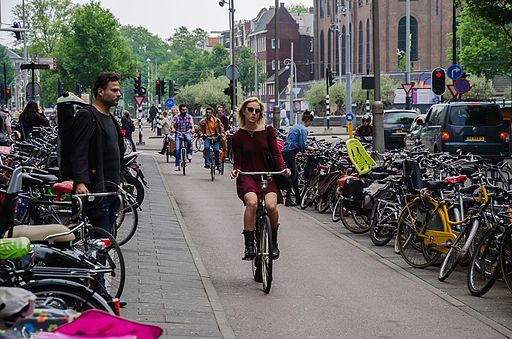
- Walk or bike for short trips.
- Use public transit when possible.
- Plan errands together instead of making separate trips.
- Carpool with coworkers or neighbors.
These changes reduce fuel use, cut traffic, and often save time.
Shop With Purpose
Every product has a footprint. From how it’s made to how far it travels.
- Choose local produce when you can.
- Support companies that use recycled packaging.
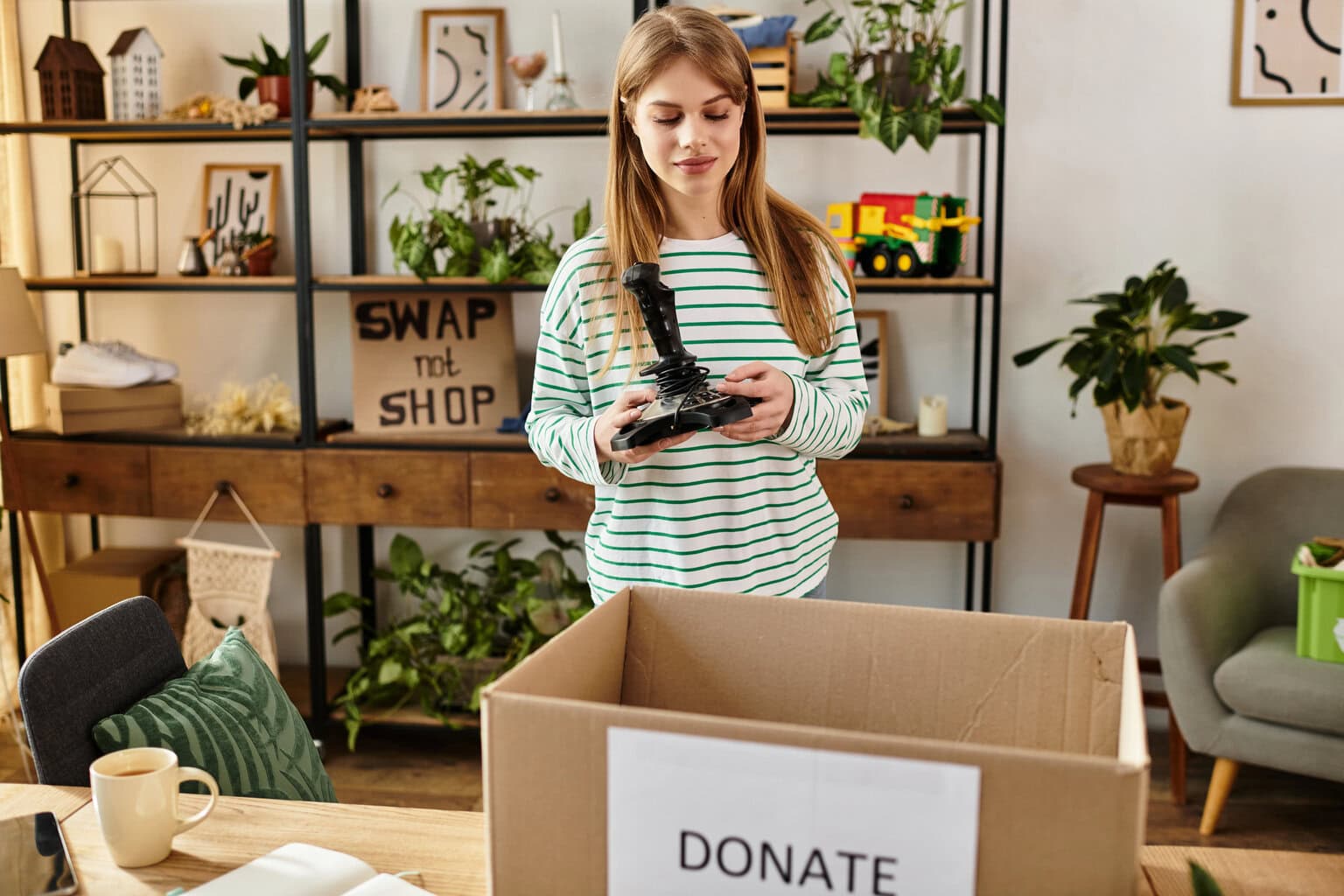
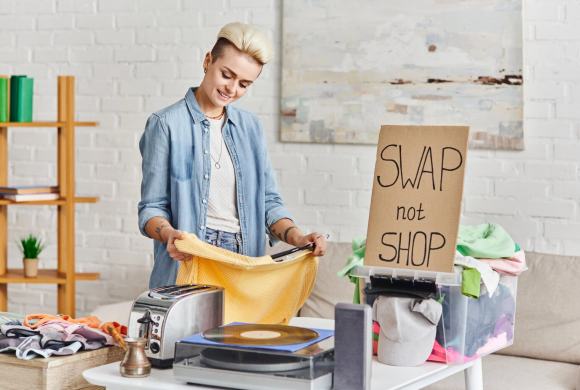
- Buy secondhand. Thrift stores and online marketplaces are full of great finds.
- Ask questions. The more people care, the more brands respond.
Liam, a college student in Austin, switched to buying only secondhand clothes. “It saved me money, and people always ask where I got my stuff,” he said. “It became part of my style.”
Turn Awareness Into Action
Reading about the environment is good. But acting on it is better. Pick one habit to start this week. Just one.
Then stack another. And another.
You don’t need to go all in on day one. You just need to keep going.
If you’re worried about how your online presence stacks up with your new values, keep in mind that questions like how long do newspaper articles stay online can matter. Many people make life changes and want their past stories to fade. Sometimes, cleaning up old content is part of building a better footprint.
Build Your Own Green Routine
Here’s a basic weekly checklist. Customize it to fit your lifestyle.
| Day | Action |
| Monday | Bring your own mug or water bottle |
| Tuesday | Unplug three devices not in use |
| Wednesday | Walk or bike for one errand |
| Thursday | Cook a plant-based dinner |
| Friday | Sort out your recycling bin |
| Saturday | Buy nothing new for one day |
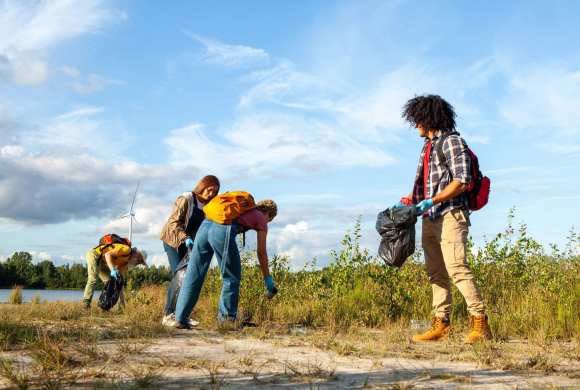
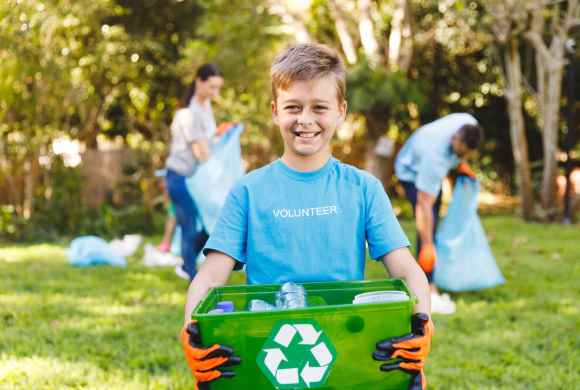
| Sunday | Pick up litter during your walk |
Do this for a month. See what sticks. Notice how easy it becomes.
What About Bigger Problems?
Yes, the planet needs policy change. Yes, corporations must do their part. But your choices influence those things.
Companies follow what people want. Governments follow what voters push for. When millions of people change, systems change too.
You don’t need to be perfect. You just need to participate.
Share What You Do
One of the best ways to help the Earth is to talk about it. Not in a preachy way. In a fun, “hey I found this cool trick” way.
- Share your compost setup.
- Post your thrift finds.
- Recommend eco-friendly apps or brands.
- Host a clean-up walk with friends.
People copy what they see. Be the one they copy.
The Payoff
Living greener feels good. Not just morally. Physically.
You save money. You waste less. You feel more connected to the world around you. You see beauty in small things. You realize the Earth doesn’t need perfect heroes. It needs regular people who care.
Final Thought
The planet is not a lost cause. The future is not locked in.
“People assume you need massive funding or big government programs to make a difference,” says environmental entrepreneur Jonathan Schacher. “But real change starts with everyday choices. One solar panel, one efficient building, one small town—when we do the work locally, we build momentum globally.”
We are not powerless. And small actions are not small when millions of people do them.
So ask yourself: what’s one thing I can do today that helps tomorrow?
Then go do it. You’ve got this.
Leave a Reply