

For many, cities remain to be the main culprit when it comes to the loss of natural habitats.
With more than half of the global population now residing in cities and its surroundings, the amount of developed land worldwide is projected to triple between 2000 and 2050.
Urbanization breaks away natural habitats, alters vegetation, introduces disturbances from humans and pets, increases noise, light, and air pollution, and exposes animals to risks such as traffic collisions.
Due to these impacts, it’s no secret that urbanization is generally seen as a significant threat to global biodiversity.
Therefore, people have opposed urbanization because they don’t want any more habitat degradation to conserve wildlife.
Surprise, surprise, adaptation happened and things have become a tad more nuanced now.
Because, cities can unexpectedly serve as sanctuaries for animals typically considered intolerant of urban environments. These animals also include some endangered species.
It turns out that urban areas can play a crucial role in preserving and sustaining native biodiversity.
Emilie Hardouin, a conservation geneticist at Bournemouth University who’s involved in a study that examines this phenomenon said, “As urban areas are rapidly growing worldwide, there is a need to integrate conservation management into town policies to ensure species can thrive in those new environments.
“Conservation shouldn’t just happen in ‘pristine’ and ‘untouched’ landscapes, but in areas where wildlife have used and adapted to the human-induced changes in habitats.”
Examining animals in urban areas
Hardouin and her colleagues examined nearly 11,000 sightings of 27 mammal species, largely documented by community scientists between 2000 and 2018 in the region surrounding Bournemouth, Christchurch, and Poole in southern England.
The study compared the presence of mammal communities in urban areas to those in nearby farmland, grassland, and woodland.
It found that each landscape supported distinct mammal communities. Moreover, it discovered that urban mammal populations are notably different from those in other environments.
Interestingly, four out of the five vulnerable and endangered mammal species identified in the study were found in urban areas.
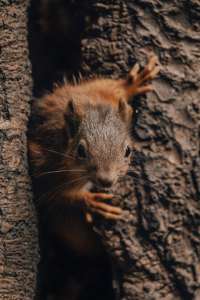
The animals include: the European rabbit, hazel dormouse, West European hedgehog, and European water vole. The only exception was the Eurasian red squirrel, which was absent from cities.
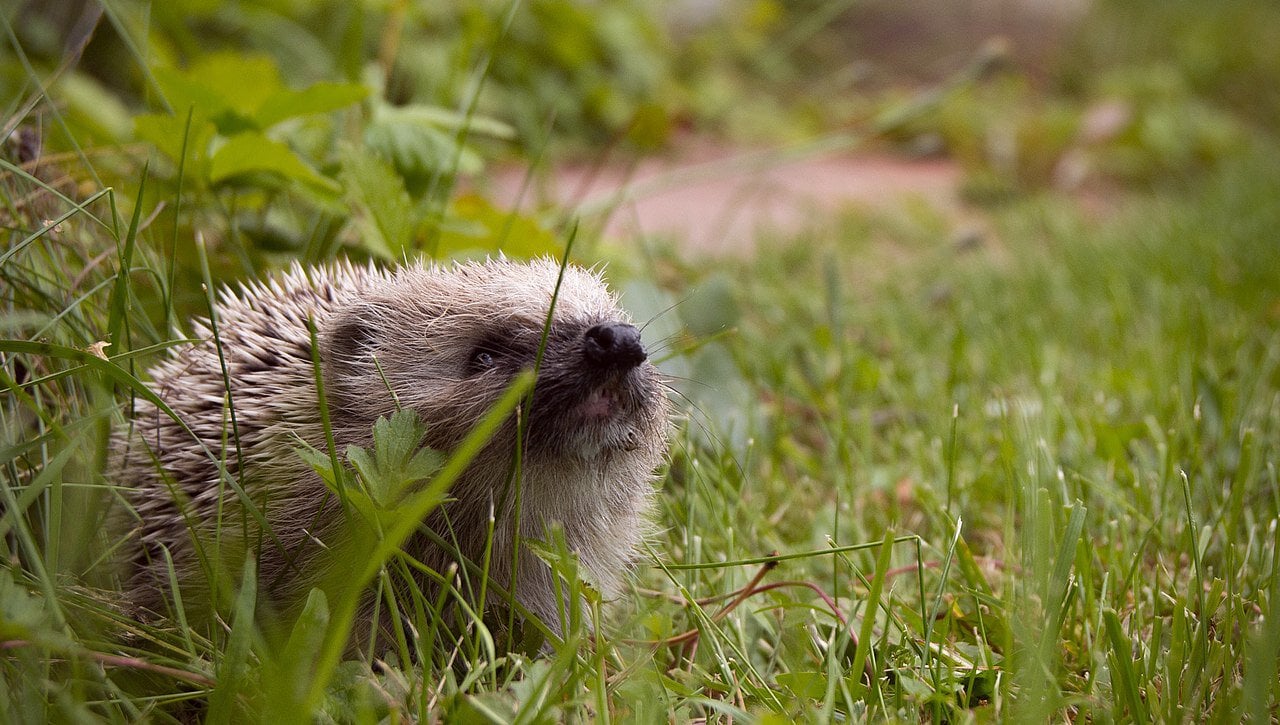
The West European hedgehog was observed in all types of environments but was most frequently spotted in urban areas. That finding is consistent with other research showing that hedgehogs can thrive in cities.
In addition, the researchers suggest that urban areas could offer even better habitats for animals like hedgehogs. That is, if connectivity between backyards and other green spaces were improved.
Hardouin said, “We are currently investigating the general public’s attitude toward biodiversity in towns, as their support will be crucial for the successful implementation of any policies to protect native wildlife and foster endangered species.”
“Additionally, we need to investigate urban area biodiversity in more depth. For this study, we used ad-hoc citizen science data collection, which tends to have a reporting bias toward charismatic species.
“In the future, we aim to adopt a more systematic approach to studying biodiversity in urban areas, such as eDNA metabarcoding, which would allow us to investigate vertebrate biodiversity, not just mammals.”
Discovering resilient animals
A second study on urban wildlife also utilized data collected by community scientists.
This study analyzed over 500,000 observations of 967 native species recorded through the iNaturalist app by 71,000 different individuals within 93 miles of Los Angeles.
Los Angeles, with its 3.9 million residents, is heavily urbanized. Yet, it’s still home to a wide array of wildlife, including bats, thousands of bird species, and large predators like mountain lions.
The research team used these observations to assess 12 different taxonomic groups that range from snails and wasps to birds and mammals.
They wanted to know how the animals respond to urbanization and to measure the urban tolerance of the animal community as a whole across different locations in the city.
Here, they found that in general, there were more observed native species in natural areas than in the urban parts of the city. That being said, some species appeared to benefit from urban development.
Slugs and snails were found to be the most urban-tolerant group, being observed more frequently in the densely built-up areas compared to more natural surroundings around Los Angeles.
They may prefer this environment (and thrive in it) because they love moisture. And well, in Southern California, it’s a common practice to water lawns and gardens all year round.
Moreover, even in dense urban areas like downtown Los Angeles, the researchers could find species that prefer natural habitats like urbane digger bees and house wrens. That indicates that cities can in fact support native biodiversity.
On the other hand, butterflies and moths were the least urban-tolerant group. That may be caused by the scarcity of host plants in the most developed areas. Additionally, the researchers found that larger mammals also avoid urbanized areas.
A member of the study team, Joseph Curti, said, “There were regions in urbanized areas of L.A. that were composed of native species that are considered more urban-intolerant and typically associated with wildland habitats.
“These pockets of native species show that there are still areas within the city where we observe interesting and diverse native species communities.”
Lush urban areas in the future?
Now, urbanization is still a factor for biodiversity loss. It disrupts environments with artificial lighting, noise pollution, and expands built-up areas.

Therefore, the researchers suggest that cities can improve this issue through careful planning and habitat restoration. For instance, proposing an ordinance that promotes wildlife-friendly home construction like what Los Angeles recently did.
Thankfully, it’s apparent that nowadays, there are more initiatives that try to integrate nature into urban areas. And I know that more people who are getting educated and aware about the gradual loss of native biodiversity are making efforts to bring native species back to their areas.
Moreover, at a 2022 international conference on biodiversity, global leaders set ambitious goals for restoring natural ecosystems, including integrating biodiversity into urban planning.
So… Will we have lush, green, and dense urban areas in the future? Nobody can really answer that because predictions can change. But with new findings and developments like the studies mentioned above, I’m hopeful.
And well, in the meantime, let’s make our gardens native species-friendly. Here are some tips to start (if you live in Australia).
Sources:
City life offers surprising opportunities for some endangered species
Leave a Reply