

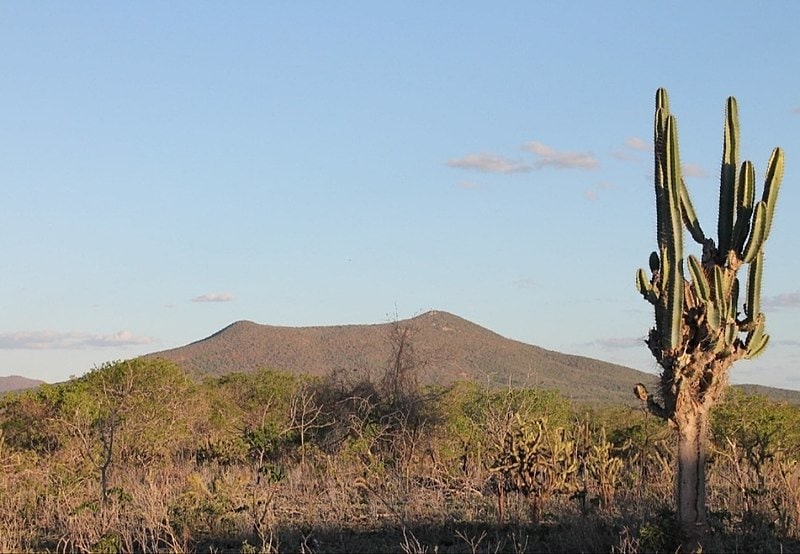
Have you heard about a case where clean energy is not really believed to bring the betterment to the environment? No, this is not a conspiracy post or an agenda against clean energy. But you should learn more about this thing in Caatinga region of Brazil
No, we don’t mean to say that green energy is bad for the environment like those conspiration-ists, but rather some of them are applied not in the right place. Wait, doesn’t green energy production should be good to be applied anywhere? Think again.
We are going to look at how the green energy expansion in Caatinga region of Brazil might not be as green as it was if built on anywhere else.
Clean Infrastructure Expansion

Brazil is currently undergoing a significant expansion of its clean energy infrastructure, with a particular focus on harnessing the power of wind and solar energy in the Caatinga region. This expansion marks a crucial step in the country’s efforts to transition towards more sustainable and environmentally friendly sources of electricity generation.
The Caatinga, a unique and arid biome that spans across northeastern Brazil, has caught the attention of energy developers due to its abundant wind resources and high solar irradiance. As a result, numerous wind farms and solar installations have sprung up across this region, aiming to tap into these renewable energy sources.
Wind energy, in particular, has seen substantial growth in the Caatinga. Tall wind turbines, often reaching over 100 meters in height, are strategically placed to capture the strong and consistent winds that sweep through the area. These turbines are equipped with advanced technology to efficiently convert wind energy into electricity. Similarly, solar panels are being deployed extensively to harness the region’s abundant sunlight, converting it into clean electrical power.
This expansion of clean energy infrastructure is a positive development for Brazil’s efforts to reduce its reliance on fossil fuels and combat climate change. It aligns with global goals of transitioning to sustainable energy sources and reducing greenhouse gas emissions. Additionally, the generation of renewable energy in the Caatinga contributes to the overall diversification of Brazil’s energy mix, making it less vulnerable to fluctuations in fossil fuel prices.
Brazil’s Wind
Why wind? The economic impact of the wind industry is noteworthy. According to ABEEólica, association that represents companies in the industry, from 2016 to 2024, the sector is expected to prevent greenhouse gas emissions valued at 60 billion to 70 billion reais (approximately $12 billion to $14 billion USD). This demonstrates not only environmental benefits but also the economic value of clean energy.
Moreover, wind energy projects have created numerous job opportunities, especially in areas where these projects are located. The construction, maintenance, and operation of wind farms require a skilled workforce. This job creation stimulates local economies, reducing unemployment rates and improving living standards for communities in the region.
Each dollar invested in wind farms has a significant impact on Brazil’s Gross Domestic Product (GDP). This multiplier effect means that for every dollar invested in wind energy, the GDP experiences a nearly three-fold increase. This demonstrates the economic leverage of the wind industry.
Wind energy has become the most cost-effective source of energy in Brazil. This affordability benefits both industries and consumers by reducing energy costs and making the country less dependent on expensive fossil fuels.
The outlook for the wind energy sector remains highly positive. Brazil’s installed wind power generation capacity is projected to nearly double by 2028. This growth not only solidifies Brazil’s commitment to clean energy but also offers long-term economic benefits.
Concern in Caatinga
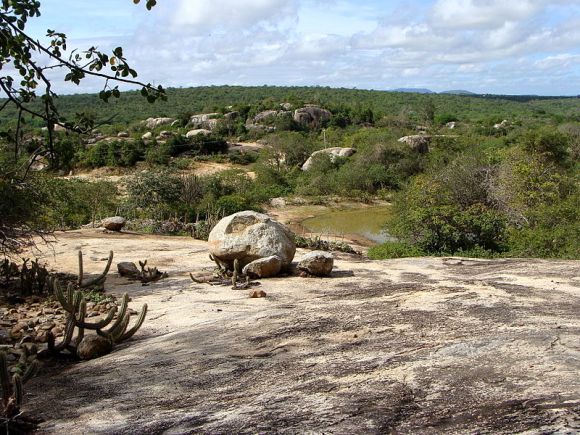
The expansion of clean energy initiatives in Brazil’s Caatinga region has brought to the forefront a pressing concern among environmentalists and conservationists: the potential adverse impacts on this unique and fragile ecosystem.
The Caatinga is an arid biome in northeastern Brazil characterized by its distinct flora and fauna, adapted to survive in harsh, dry conditions. This region is home to a wide array of plant and animal species, some of which are endemic, meaning they are found nowhere else in the world. These unique adaptations have evolved over millennia, creating a delicate ecological balance.
With the development of wind farms and solar installations in the Caatinga, there is a growing worry that these projects could disrupt this balance and harm the region’s biodiversity. Wind turbines, for example, require large areas of land for their installation and can lead to habitat fragmentation. They may pose a collision risk for birds and bats, especially if not properly sited and managed. Similarly, solar panels can alter the local environment and affect the behavior of wildlife, including reptiles and insects.
Conservationists are concerned that these disturbances, if not carefully managed, could have lasting negative effects on the Caatinga’s ecosystems. The loss of habitat, changes in water flows, and disturbances to native species could lead to a decline in biodiversity, potentially threatening some species with extinction.
Balancing the need for clean energy development with the imperative to protect the Caatinga’s unique ecosystems is a complex challenge. It requires rigorous environmental impact assessments, adherence to best practices in construction and operation, and ongoing monitoring to mitigate and minimize any adverse effects on the environment.
Biodiversity in Caatinga

As Brazil expands its clean energy infrastructure in the Caatinga region, it faces a critical challenge: how to meet its growing energy demands while safeguarding the fragile ecosystems of this arid biome. This balancing act requires careful planning and decision-making.
Clean energy development, particularly through wind and solar projects, is vital for reducing greenhouse gas emissions and transitioning to more sustainable energy sources. It aligns with global efforts to combat climate change. However, in the pursuit of renewable energy goals, it’s essential not to compromise the integrity of the Caatinga’s ecosystems.
To strike this balance, it’s crucial for stakeholders, including government agencies, energy companies, and conservation organizations, to work together. Environmental impact assessments must be comprehensive, taking into account the potential effects of clean energy projects on local flora and fauna. Mitigation measures should be put in place to minimize harm to the environment.
Additionally, engaging local communities is essential. Their insights and concerns can provide valuable input into the decision-making process. Sustainable development practices, such as reforestation efforts and the use of environmentally friendly technologies, should be prioritized to mitigate the ecological footprint of clean energy projects.
Furthermore, continuous monitoring and adaptive management are key components of this balance. Regular assessments of the environmental impact and adjustments to project operations based on new findings can help ensure that clean energy development remains compatible with conservation goals.
Sources:
Leave a Reply