


Climate change is making it tough for our food. The weather is going crazy, making it hard to grow important crops like wheat and rice. This messes up the food we have and even makes it more expensive.
When there’s less food, but more people want it, prices go up. So, farmers need to find new ways to grow food that can handle the weird weather. We all have to work together, share ideas, and help each other out.
That way, we can make sure there’s enough good food for everyone, no matter where they live. Now, want to talk more about it? Then, let’s talk about it in this article.
Climate Hurts Crops
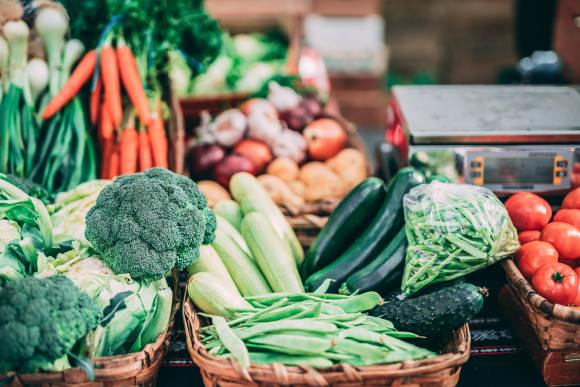
Climate change poses a significant threat to our food system, primarily by adversely affecting crop production. The Earth’s shifting climate patterns, characterized by rising temperatures, altered precipitation, and extreme weather events, create unfavorable conditions for many crops.
Heatwaves, prolonged droughts, and unexpected frosts can damage or reduce the yield of essential food crops like wheat, rice, and corn. Temperature increases disrupt the delicate balance that crops require for optimal growth.
Some regions experience more frequent and intense heatwaves, leading to heat stress in plants. Additionally, altered precipitation patterns can result in either excessive rainfall, causing flooding, or prolonged droughts, leading to water scarcity for crops. These climate-related challenges create an uncertain and unstable environment for agriculture.
The impact on crops extends beyond mere reduction in yield. Changes in climate can also affect the nutritional content of food, potentially leading to deficiencies in essential nutrients. Moreover, pests and diseases that thrive in warmer conditions can proliferate, posing further threats to crop health. The interconnectedness of these factors exacerbates the vulnerability of our global food supply.
Adapting agriculture to these changing conditions becomes imperative. This involves developing and implementing resilient farming practices, such as drought-resistant crop varieties, improved irrigation systems, and sustainable soil management.
Additionally, investing in research and technology to enhance the adaptability of crops to a changing climate is crucial for ensuring food security in the face of these challenges.
Less Food, More Prices

The repercussions of climate change on our food system extend beyond crop damage, manifesting in a second critical point—escalating food prices. As climate-related challenges disrupt traditional agricultural practices, the scarcity of certain crops amplifies market demand, leading to an inevitable surge in food prices.
This phenomenon poses a threat to global food accessibility and exacerbates issues of food affordability, particularly for vulnerable populations. When extreme weather events or shifting climate conditions adversely affect crop yields, the diminished supply meets an unabated or even growing demand for food.
This supply-demand imbalance becomes a catalyst for inflation in food prices, impacting consumers, particularly those with limited financial means. The increased cost of production, transportation, and storage, influenced by climate-induced challenges, further contributes to the surge in food prices.
In addition to direct climate impacts on agriculture, the interconnected nature of the global food supply chain amplifies the ripple effects of these changes. Disruptions in one region can have cascading effects on food prices worldwide.
As extreme weather events become more frequent and intense due to climate change, the volatility in food prices is likely to persist, affecting economies and livelihoods on a global scale. Addressing the challenge of escalating food prices necessitates a multi-faceted approach.
This includes implementing adaptive agricultural practices, investing in sustainable and resilient food supply chains, and developing strategies for mitigating the economic impact on vulnerable populations.
Adapting Agriculture

As the Earth’s climate undergoes unprecedented changes, farmers face the daunting task of modifying their practices to ensure a resilient and productive agricultural sector.
Adapting agriculture involves embracing innovative techniques and technologies that can withstand the challenges posed by climate change. This includes developing and cultivating crop varieties resistant to extreme temperatures, water-efficient irrigation systems, and sustainable soil management practices.
By integrating these adaptive measures, farmers can enhance the overall resilience of their crops to varying climatic conditions. Water scarcity, a prominent consequence of climate change, underscores the need for efficient irrigation systems.
Implementing water-conserving technologies and practices helps farmers cope with changing precipitation patterns and ensures a more sustainable use of this precious resource. Moreover, investing in the research and development of climate-resilient crops becomes pivotal in securing future production.
Furthermore, education and outreach programs play a crucial role in supporting farmers as they adapt to new agricultural norms. Providing access to information about climate-smart practices and offering financial incentives for adopting sustainable methods can facilitate a smoother transition for the agricultural community.
Global Cooperation Needed to Save our Food

Another pivotal aspect is the necessity for global cooperation to effectively address the complex challenges posed by the impact of climate change on the system. Climate change transcends national borders, and its consequences reverberate on a global scale.
Thus, a collaborative and coordinated effort among nations, organizations, and communities is indispensable in developing comprehensive solutions. The interconnected nature of the global food supply chain requires a unified approach to mitigate the impacts of climate change.
This involves sharing knowledge, resources, and technologies to bolster adaptive measures in different regions. Developing countries, often more vulnerable to climate-related challenges, can benefit from the support of developed nations through the transfer of sustainable agricultural practices and technologies.
International cooperation is also crucial in establishing effective policies and frameworks that address the root causes of climate change and promote sustainable practices. This includes agreements to reduce greenhouse gas emissions, protect biodiversity, and ensure the responsible use of natural resources.
By working together, nations can create a collective impact and amplify their efforts to combat climate change’s adverse effects on food security. Moreover, collaboration extends beyond governmental entities to include non-governmental organizations, research institutions, and the private sector.
Engaging diverse stakeholders fosters a holistic and inclusive approach, tapping into a wealth of knowledge and expertise. Joint initiatives can accelerate the development and implementation of innovative solutions, ensuring a more resilient and sustainable global food system.
Sources:
Leave a Reply