


You have likely experienced unexpected weather in your area or witnessed a surprising headline about a disaster in another state. Warm regions are freezing over, and drought-stricken areas are burdened by rain. These circumstances could motivate anyone to move away, as the soil beneath your feet becomes more unstable every day. This movement, called climate migration, is linked to many unresolved environmental concerns, including erosion and drought.
What Is Climate Migration and Its Relationship to Soil?
Climate migration occurs when large numbers of people move away from their homes due to negative environmental impacts. This could be catalyzed by a natural disaster, where you flee to family members in safer areas. Or, it may be more gradual dangers, such as increased air pollution from living near a power plant. In 2023, 26.4 million people were displaced due to climate-related factors.
You may also engage in climate migration because the region’s soils are no longer able to support the population. Droughts lead to progressive desertification, leaving farmers vulnerable to collapse. Heavy metal pollution from mining could make food unsafe to eat. Earth that has lost its stability from runoff, rising sea levels or flooding could cause erosion, mudslides and other unsafe movement.
Your home’s foundation could slide away, or the homestead’s garden could no longer be viable as a primary food source. There are many reasons you could relocate or be displaced because of ecological degradation. This is a growing issue, as climate migrants lack governmental protection, despite the growing number of affected populations.
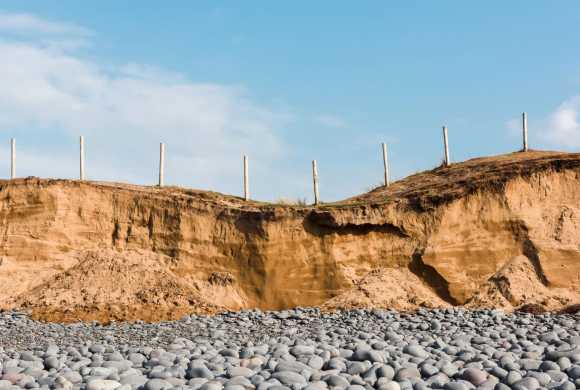
The Connection Between Erosion, Drought and Displacement
Stable, well-nourished soils are the pillar of a secure community. It grows nutritious food, holds up infrastructure, filters water and supports biodiversity. The moment soil is stripped of essential nutrients or subjected to immense pressure, migration becomes a more promising option.
The severity of drought and erosion has been worsening because of minimal land restoration, inadequate funding and stressors causing biodiversity loss. Longer droughts cause more frequent erosion, as soils become lightweight and dry, able to being moved away by the slightest wind or moisture. Many regions have lost protective topsoil layers that could keep the earth in place, thereby accelerating land degradation.
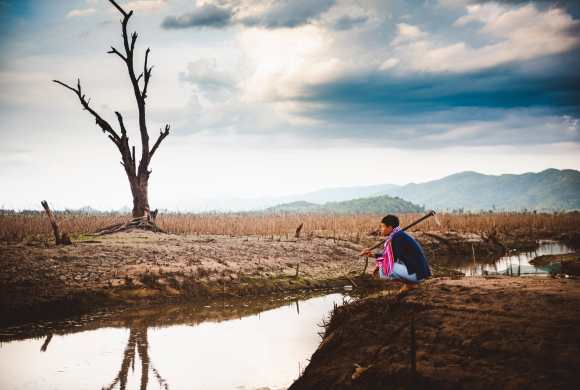
Therefore, you may feel motivated to move, especially if you are a rancher, an agriculturalist or another worker who relies on the land for a living. If the region cannot provide livelihoods or income, the only option is to leave.
This displacement forces seasoned and budding professionals alike to start from scratch. Families and tribal communities with strong ties to their region will also have to depart with lands with significant emotional, sacred or generational value. These side effects illustrate the diversity of drivers of climate migration from soil influences alone.
How This Is Impacting the Real World
South of the Sahara Desert lies the Sahel region. Around eight million internally displaced people reside there, with many having faced threats like water depletion from desertification or food insecurity from the dismantling of farming communities. People move around constantly with the changing seasons and temperatures, seeking the next promising opportunity. This leads to conflict among people with a similar motivation — survival.
Drought and scarce resources are several factors, as the soil cannot support its people. Large-scale displacements like this also highlight many climate injustices, including how the majority of those affected in the Sahel are women and children.
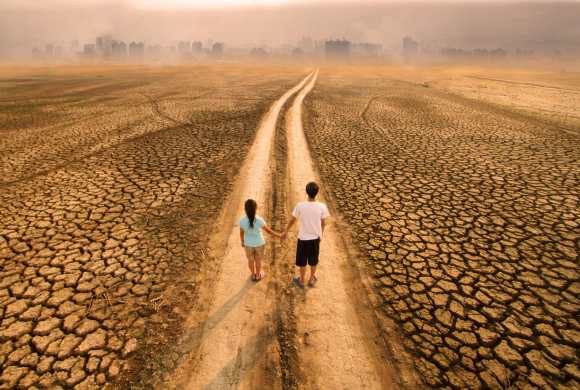
If migrants make it to nearby cities, it feels like a relief. However, cities could become burdened. They are used to serving a certain number of people. Suddenly, an influx could strain their resources, becoming unsustainable. This is one of many instances of climate migration happening worldwide and how it represents many climate concerns simultaneously.
Ways to Fix These Issues
Unstable, depleted soils are fixable. Individuals and companies can do their part, which could include any of the following actions:
- Stabilizing soils with nails to make them more resistant to slope instability and erosion
- Encouraging more composting to replenish the grounds with essential nutrients
- Installing flood-prevention measures like vegetated walls or trenches
- Performing soil testing to discover the most common pollutants
- Practicing no-till farming until soil stability is restored
- Minimizing the use of pesticides, herbicides and other chemicals
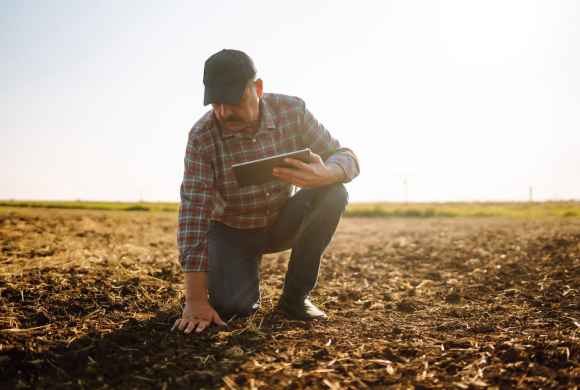
However, the primary ways to solve these problems are to work together. Your community, state and nation must contribute to policy and action that reduce the impacts of climate stressors. Everyone can achieve this by mapping out the most vulnerable areas and prioritizing soil remediation and action in those regions.
Grounded Solutions for a Planet in Need
The soil beneath your feet is the metaphorical and literal foundation for your survival. It holds up our utility infrastructure, delivering electricity when it is needed most. It also grows the food for your dinner and cleans the water you use in your home. As time goes on, more people are being displaced because climate change is weakening the soil. Preventing this from leading to mass migrations requires global collaboration to promote education and policy advocacy.
About the Author

Writers Bio: Jane Marsh is an environmental journalist and Editor-in-Chief of Environment.co, where she covers climate policy, renewable energy, and sustainable living. With over four years of editorial experience, her work has been featured on Renewable Energy Magazine, Biofriendly Planet, and Earth.org. Jane specializes in making complex environmental topics accessible and actionable for everyday readers.
Leave a Reply