

Micro homes made from hempcrete are changing how people think about building and living. These tiny houses are compact, efficient, and environmentally smart.
Instead of relying on traditional materials like concrete or drywall, they use natural and renewable resources to create spaces that feel simple, healthy, and modern. Built with intention, they show how good design can shrink our footprint without sacrificing comfort.
With smart layouts, passive heating, and carbon-storing walls, these homes prove that size doesn’t determine quality.
Sounds interesting, isn’t it? Let’s talk more about it.
Why Small Homes Make a Big Difference

Living in a smaller home means using fewer materials, burning less energy, and producing less waste. A tiny house doesn’t need massive heating or cooling systems. It stays warm in winter and cool in summer with only a fraction of the power needed for a larger space.
This helps reduce energy bills and keeps the home efficient year-round. Less square footage also means fewer things to buy, clean, repair, and eventually throw away.
Small homes encourage people to own only what they truly use. Instead of collecting clutter, residents focus on the essentials, just a few tools, a simple wardrobe, and a space that’s easy to maintain.
That makes daily life feel more grounded and focused. There’s also less stress. Without big mortgages or high rents, people often gain more financial freedom and time to enjoy life.
These compact homes also make it easier to build more of them in smaller footprints. That matters in communities where land is limited and housing costs are rising. By rethinking how much space people actually need, small homes help make housing more accessible and reduce pressure on the environment.
Smaller dwellings are also faster to build. In many cases, a micro home can be finished in just a few months. That shortens the time between idea and completion, helping people start their new lifestyle sooner. Builders can experiment with different layouts, materials, and techniques without the delays and costs that come with large-scale construction.
What Makes Hempcrete a Smart Building Material?
Hempcrete is made by mixing hemp stalks with lime and water. The result is a lightweight, breathable material that hardens into solid, durable walls. It doesn’t require the high heat or emissions of traditional cement, making it far more sustainable to produce.
And while it’s not load-bearing on its own, it works perfectly with a timber frame to create comfortable and efficient structures.
One of the most interesting facts about hempcrete is that it actually stores carbon. Hemp plants pull carbon dioxide from the air as they grow. When the stalks are used in building, that carbon stays locked in the walls. So instead of adding emissions to the atmosphere, a hempcrete home helps pull carbon out of it.
The material also improves indoor air quality. It resists mold, doesn’t release toxins, and regulates humidity naturally. That makes the home healthier to live in. It’s also fire-resistant, pest-resistant, and long-lasting. Once installed, it requires very little upkeep. Walls stay solid and clean without extra chemicals or treatments.
Compared to concrete, hempcrete is easier to work with and doesn’t crack in the same way. Its breathability allows moisture to escape, which helps preserve wooden framing and prevent long-term damage.
It also insulates well, providing consistent temperatures across seasons without requiring thick insulation or heavy machinery.
What Design Features Make These Homes Work?
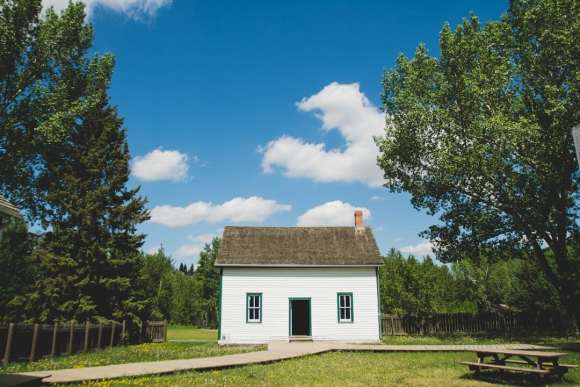
The layout of these micro homes is based on simplicity. A rectangle base and pitched roof create a classic, weather-resistant shape that’s easy to build and maintain. Inside, every inch is used with purpose.
A small kitchen fits neatly into one wall, while the bathroom, living space, and sleeping loft are arranged to flow naturally without wasted corners or empty space. Windows and doors are placed to bring in the most natural light.
South- and west-facing glass helps heat the space passively during the colder months, cutting down on energy use. Large decks extend the living space outdoors, creating areas for relaxing, cooking, or spending time in nature. The decks aren’t just decorative—they’re part of the home’s function, adding real space without adding to the structure’s footprint.
Exterior siding is often made from durable hardwoods like black locust, which resist rot without chemicals. Water is drawn from wells or rainwater systems, and electricity can come from rooftop solar panels.
In warmer months, open windows and natural ventilation keep things cool without mechanical air conditioning. The entire structure is built to stay off-grid if needed, making it ideal for rural land, eco-villages, or standalone guesthouses.
Many homes are built with multipurpose furniture, such as benches that open into storage or tables that fold into walls. Shelving is tucked between beams. Lofts double as sleeping areas and quiet nooks. Every decision is made to maximize comfort and flexibility without wasting square footage.
Some layouts even feature built-in greenhouses or planters to grow herbs and vegetables. These add color and life to the home while supplying fresh food right outside the kitchen door. In colder climates, insulated walls and sealed windows protect against frost, while passive solar orientation reduces the need for artificial heat.
Climate-Positive Lifestyle

Climate-positive living doesn’t just mean using less energy—it means creating systems that give back more than they take. Hempcrete homes do exactly that. The walls absorb more carbon than was released during their creation.
The passive solar layout reduces the need for outside energy. And the materials used are either renewable or recyclable. From the ground up, these homes are built to restore balance.
Daily life in a micro home naturally supports lower consumption. Smaller fridges, smaller closets, and smaller storage encourage simpler choices. Instead of buying excess, residents focus on what really matters—meals, rest, creativity, and connection. There’s less pressure to fill space with things, and more freedom to fill time with experiences.
Living this way also inspires others. These homes often start conversations about how we build, how much space we use, and how we could live differently.
They show that it’s possible to live with less without feeling like you’re missing out. In fact, many who downsize say they feel lighter, calmer, and more in control. When people see homes that are beautiful, functional, and sustainable, it shifts the idea of what a good home looks like.
Sources
https://www.treehugger.com/
Leave a Reply