

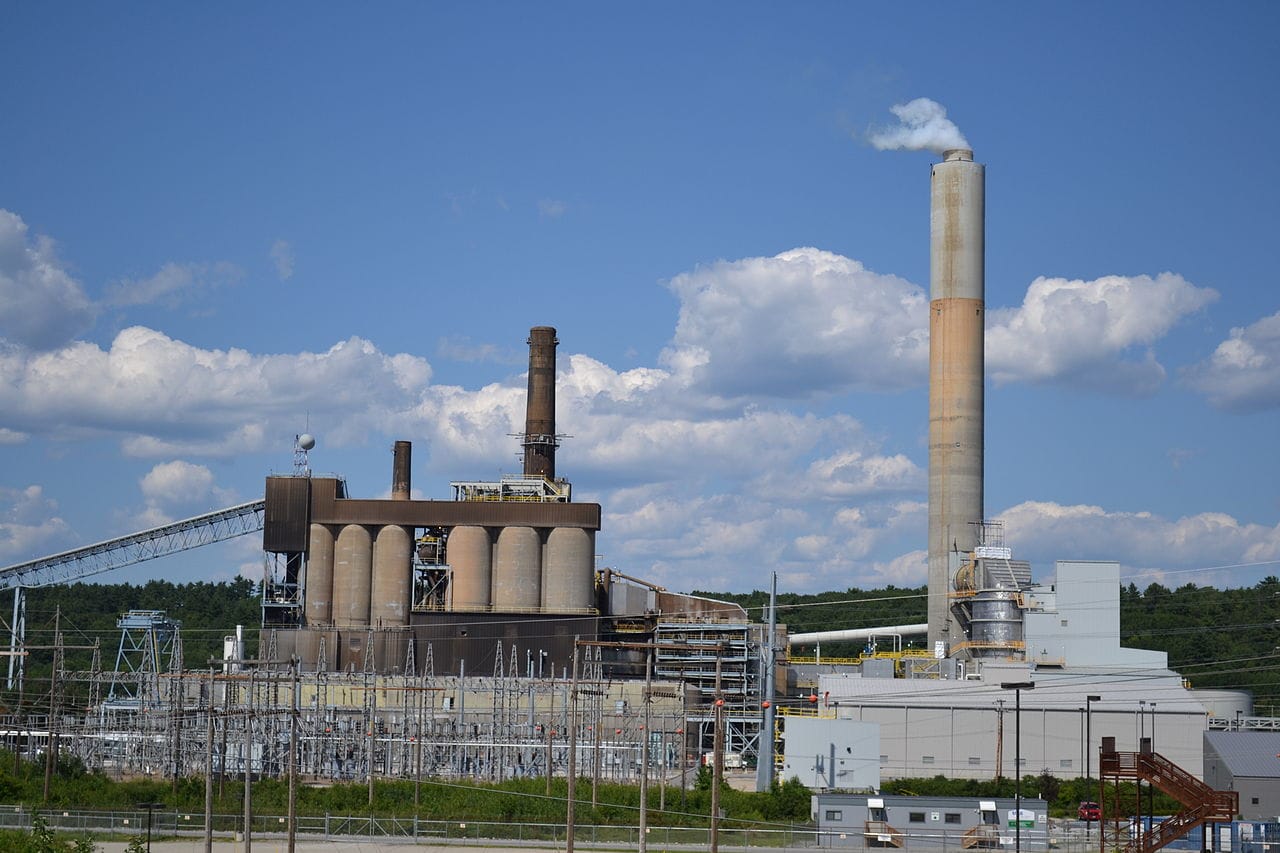
In 2017, Australia bode farewell to its—as people dubbed it—dirtiest coal-fired power plant, Hazelwood, in Victoria.
When a plant had been responsible for a good chunk of Australia’s greenhouse gas emissions, what to do?
These days, shutting it down would be a positive step towards a greener, cleaner future.
The closing seemed to be easy enough, until authorities realized the consequence. That is, the domino effects it had on the lives of those who worked there.
Questions began to come up: How many would face financial setbacks, and for how long?
Would the workers end up earning only a fraction of their previous income for years to come?
Between 2010 and 2020, a dozen coal-fired plants closed their doors. This prompted a closer look at the tax records of workers in the industry.
A comprehensive study was conducted in collaboration with the e61 Institute. It delved into taxation microdata to trace the earnings trajectories of Australians who received redundancy payments during this period.
The study found that on average, in all industries, workers who were made redundant experienced a staggering 43% drop in earnings in the subsequent year.
This might seem like a given; why give the same wage when the workers are redundant, right?
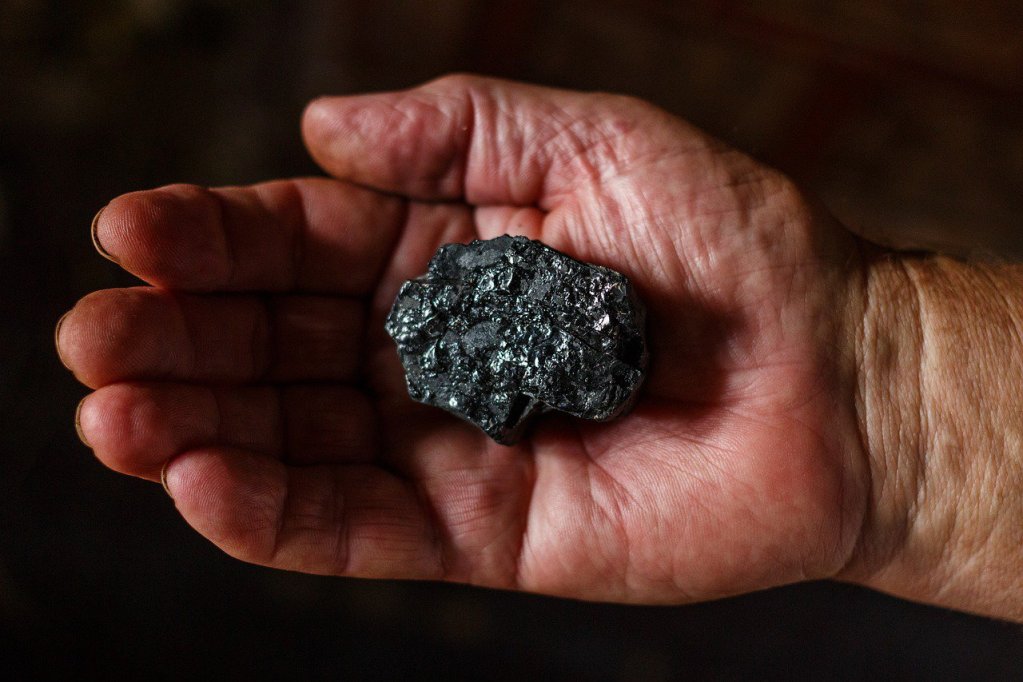
But the situation is worse for those laid off from coal power plants. Their income dropped by 69%, leaving them with just a third of their previous earnings.
What could be the causes of such a steep decline?
Per the study, the reasons are complex. There are contributing factors to their overall financial hit, such as lower salaries in new jobs and reduced working hours.
But what’s concerning is that the effects persist for workers who lost jobs in coal-fired power plants.
Four years post-redundancy, they were still earning 50% less. Meanwhile, the average across all industries was a comparatively modest 29% reduction.
According to the researchers of this study, the lingering effect is caused by several factors.
Many coal plant workers have highly specialized skills. That makes it difficult to transition to different roles, especially in the same location.
In addition, strong union representation often translates to higher wages, which may not be matched in less-unionized sectors.
The closure of power plants also impacts local employment. It creates a ripple effect on the overall unemployment rate in the region.
Moreover, the age factor plays a role.
A significant proportion of workers in coal-fired power plants are older. Per the 2010 Bureau of Statistics, 55% of these workers were aged 45 or older. At the same time, 35% of them were in the broader economy.
Older workers, particularly those aged 40 and above, tend to have it worse after redundancies. This trend is more prominent in the context of coal-fired power plants.
More coal power plants closing, what’ll happen?

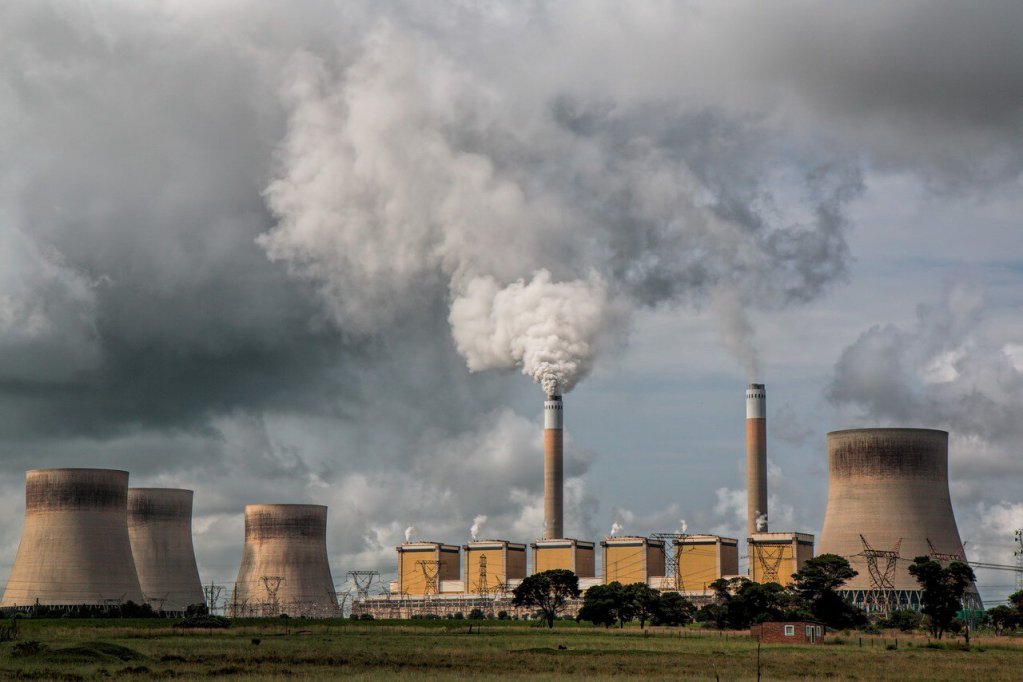
There will be more coal-fired power stations planned for closure in the coming decades.
This study highlights the dual impact of such decisions. It’s unquestionable that such closures are beneficial to fight against global warming. However, they may also lead to costs on a specific group of workers.
The researchers from this study drew inspirations from Prime Minister Gough Whitlam half a century ago.
When there are job losses caused by government decisions, especially those targeting specific regions, support provision is important.
As we’re moving towards net zero, we must consider the potential hardships faced by those directly affected by such transitions.
“We now need a national conversation on whether special support is warranted for those we know the move to net zero will hurt,” the researchers said.
Where will the workers go, then?
There seems to be a continual conflict between the efforts to become climate-friendly and people’s livelihoods.
In terms of laying off coal plant workers, such conflict is widespread.

This struggle between preserving well-paying, unionized coal jobs and addressing the urgent issue of climate change is unfolding nationwide. It happens to every level of government.
Such a struggle has pitted environmental and clean energy interests against unions and fossil fuel companies. that enjoyed favor during the Trump administration.
Now, during the Trump administration in America, coal companies had an easier time. Even then, the coal industry was and has been steadily shrinking.
The industry has been bleeding jobs, made worse by then coronavirus shutdowns which further diminished coal consumption.
States and local groups are actively seeking ways to bridge the gap between blue-collar workers and green initiatives in response.
The aim is to transition to a lower-carbon economy without leaving anyone behind. So far, there have been positive outcomes in some plants.
However, according to Jeremy Richardson, a senior energy analyst at the Union of Concerned Scientists, the scale of the issue demands federal investment.
The challenge lies in effectively supporting workers with well-compensated jobs. To be specific, jobs that may not have immediate replacements, especially in communities deeply reliant on coal.

The need for more support and assistance
There is an institution called BlueGreen Alliance. It’s a national partnership of unions and environmental organizations.
According to Jason Walsh, the head of the institution, there is a lack of national-level systems and programs. That is, those to assist workers displaced from the coal industry or communities that have depended on it for generations.
Over the last decade, the number of coal mining jobs in America has nearly halved. They’ve dropped from close to 90,000 in 2012 to 46,600 today.
Closure and retirement of more than 300 coal-fired power plants has further eliminated jobs in the power sector.
Now, since there’s an ongoing conflict between environmental and worker movements, there’s a little animosity between the two.

Joe Uehlein, founding president of the Labor Network for Sustainability, acknowledges historical distrust between them.
But, Uehlein argued that there’s a growing recognition that both communities need each other to achieve their goals.
For instance, environmental groups have included workers’ concerns into their lobbying efforts. At the same time, labor unions are recognizing the real threat of climate change to jobs.
In the absence of federal support, states and community groups are grappling with the reality of coal’s decline.
There are current initiatives that lead to a win-win solution. For example, there is one led by Appalachian Voices, with support from the Just Transition Fund.
In this particular initiative, it aims to repurpose abandoned mine lands for locally driven economic opportunities, such as building solar farms.
The Just Transition Fund seeks to invest in local efforts to help coal communities build resilience and transition to low-carbon energy economies.
Currently, the U.S. economy contends with job losses on a massive scale. Therefore, efforts to develop a strategy for transitioning coal-reliant communities have become increasingly crucial.
Sources:
Leave a Reply