

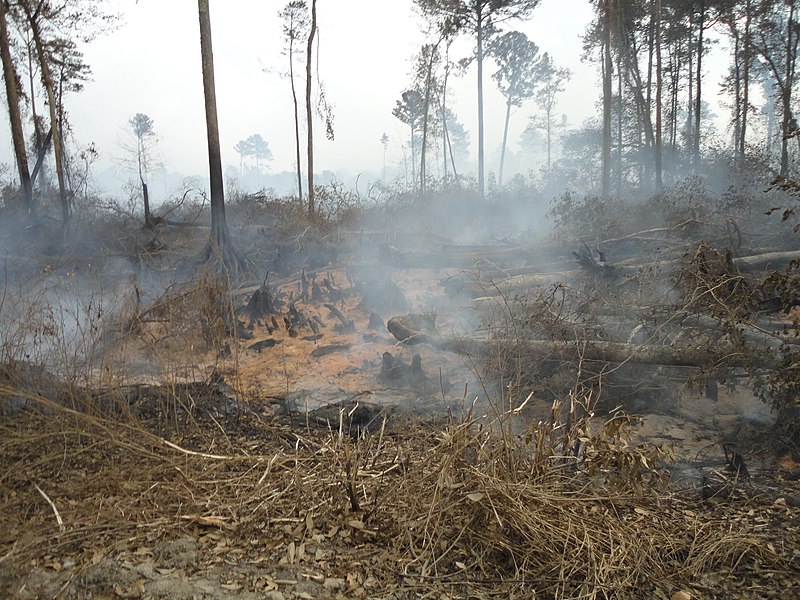
We have not talked about peat fires for a long time, so now might be the right time to talk about it. Imagine a world where hidden beneath the Earth’s surface lies a secret: vast peatlands, unique places made from old plants.
The real problem? Of course, peat fires. When they happen, they release harmful gases like carbon dioxide, heating our planet. And these fires are no ordinary flames because they can last for weeks or months, destroying the peatlands’ homes.
The smoke from these fires even harms people’s health. Worse, it might be connected to some companies. Now, companies’ responsibility is questioned. Some act responsibly, but others don’t. Therefore, let’s talk about this interesting topic so we can learn better about what we should and can do.
Peat Fires: A Growing Environmental Concern

Peat fires are increasingly posing a severe threat to our environment, particularly in peatland regions around the world, such as Southeast Asia. These unique ecosystems, composed of decomposed plant material, serve as vital carbon sinks. However, the problem arises when palm oil and pulpwood companies exploit these peatlands for agricultural and industrial purposes.
The critical issue with peat fires is their role in releasing harmful greenhouse gases into the atmosphere. When peatlands catch fire, the carbon stored within them is released in the form of carbon dioxide and methane, contributing significantly to global warming and climate change.
These fires are among the largest contributors to carbon emissions resulting from changes in land use, exacerbating the ongoing climate crisis and disrupting the balance of ecosystems. What makes peat fires even more concerning is their prolonged duration.
These fires can burn for extended periods, sometimes lasting for weeks or even months. During this time, they not only emit harmful gases but also devastate the biodiversity within peatlands. These ecosystems are home to diverse plant and animal species, including endangered ones like orangutans.
Peat fires result in the loss of habitats and pose a significant threat to the survival of these creatures. Peat fires also have direct consequences for human health. The smoke and haze produced by these fires can lead to respiratory problems and other health issues, particularly for people residing in areas where these fires occur.
Corporate Accountability in Question
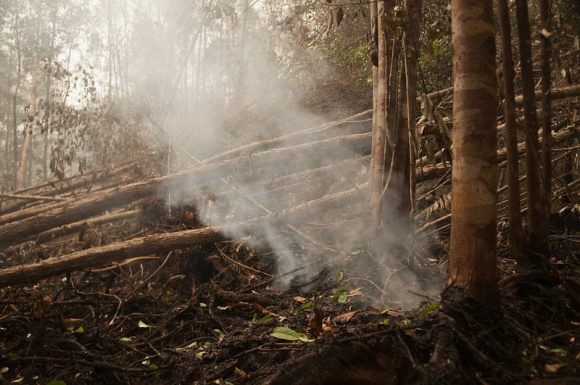
The responsibility of corporations in the palm oil and pulpwood industries is a subject of growing concern. There are doubts about whether these companies are genuinely committed to preventing peat fires and addressing their environmental impacts adequately.
These industries often operate in regions rich in peatlands. While palm oil and pulpwood production can be lucrative, it becomes problematic when companies do not adopt responsible land management practices.
It is essential to recognize that not all companies in these sectors are equal, and some have taken steps towards more sustainable practices. However, there are lingering concerns about those companies that do not prioritize responsible land management.
Almi Ramadhi, Pantau Gambut researcher, attributed the lack of restoration work by concession holders to the limited oversight from the government’s Peatland and Mangrove Restoration Agency (BRGM). “They only [focus on] restoring [peatlands] in villages,” he said.
The consequences of these fires go beyond environmental harm; they also have adverse effects on public health and the economies of affected regions. Moreover, transparency and accountability in these industries need improvement.
Companies should be held accountable for their actions, especially when they contribute to environmental degradation and climate change. This includes addressing the underlying causes of peat fires, such as deforestation and peatland drainage for agricultural purposes.
Controlling the Peat Fires

Effective regulation is crucial in addressing and preventing the environmental threats posed by peat fires. Regulating industries operating in peatland-rich areas is vital to ensure responsible land management.
However, the effectiveness of these regulations can vary depending on the region. In some cases, regulations may be insufficient or poorly enforced, allowing companies to exploit peatlands without adequate safeguards against fires.
Comprehensive and stringent regulations are necessary, encompassing monitoring and control of activities like deforestation and peatland drainage, which can increase the risk of peat fires. These regulations should also focus on fire prevention, requiring companies to develop robust fire management plans and adhere to strict guidelines to prevent fires from occurring.
Weak enforcement is a significant challenge in many regions. When regulations are not enforced effectively, companies may engage in environmentally harmful practices without facing consequences. To address this, stronger enforcement mechanisms and meaningful penalties for violations are essential steps.
Additionally, given the transboundary nature of peat fires, international collaboration and coordination of regulations are vital. Fires in one region can affect neighboring and surrounding countries and even contribute to global environmental problems, such as climate change.
Sustainable Practices

Most of us would agree that palm oil and pulpwood companies must transition to more sustainable practices urgently. This shift is critical for preserving the environment and mitigating the ongoing issue of peat fires.
Sustainability in these industries encompasses various aspects of their operations. Firstly, it entails responsible land use. Companies must recognize the ecological significance of peatlands and refrain from damaging activities like deforestation and peat drainage. Alternatives should be explored to cultivate palm oil and produce pulpwood without harming these vital ecosystems.
Another vital aspect of sustainability is fire prevention. Robust fire prevention strategies are essential to reduce the risk of peat fires. This includes maintaining firebreaks, early fire detection, and equipping workers with the knowledge and tools to respond effectively in case of a fire.
Sustainability extends to social responsibility as well. Companies should treat the communities, indigenous groups, and workers in their operational areas fairly and respectfully. This includes respecting land rights, ensuring fair wages and working conditions, and engaging in meaningful dialogue with affected communities.
Certification programs like the Roundtable on Sustainable Palm Oil (RSPO) have been established to promote and verify sustainable practices within the palm oil industry. Similar initiatives can be developed for the pulpwood sector. These certifications enable consumers to make choices that support products produced in an environmentally and socially responsible manner.
Sources:
Leave a Reply