

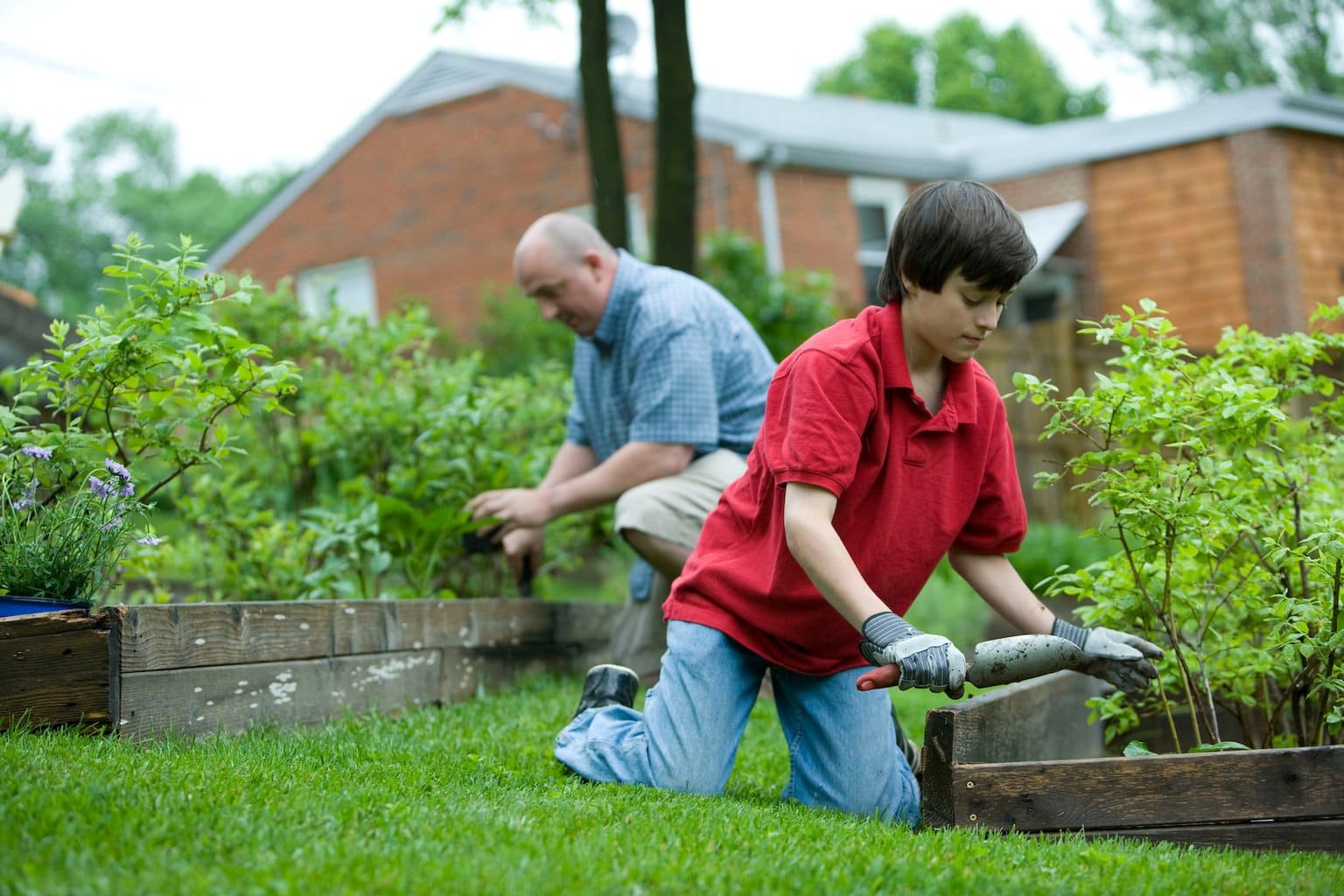
Composting at home is a practical and impactful way to contribute to sustainable living. This natural process transforms organic waste into nutrient-rich soil, significantly reducing landfill contributions and improving garden health.
The growing interest in eco-friendly lifestyles has brought home composting into the spotlight, offering an easy and effective method to manage daily waste.
Ideal for garden enthusiasts, homeowners, and anyone starting their journey towards a greener lifestyle, this guide provides a comprehensive overview of setting up a home composting system.
What is Composting?
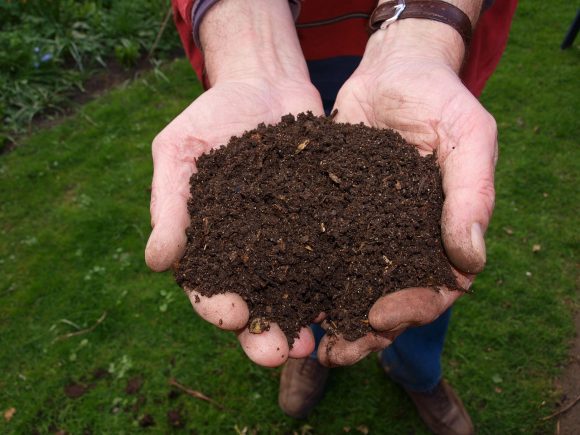
Composting is a natural process that transforms organic waste into nutrient-rich soil. It plays a crucial role in reducing landfill waste and enhancing soil health. At its core, composting involves the breakdown of organic matter, like food scraps and yard waste, by microorganisms.
These microbes, including bacteria and fungi, decompose this material in the presence of oxygen, producing compost. This process not only diverts waste from landfills but also creates a valuable resource for gardens, improving soil structure, water retention, and nutrient content.
Benefits of Composting at Home
Composting at home significantly reduces landfill waste, directly impacting the environment. By diverting organic materials from trash bins to compost piles, we lessen the burden on landfills, which are major sources of methane, a potent greenhouse gas.
Additionally, composting enriches the soil. It improves soil structure, promotes healthy root growth, and enhances water retention, making it a boon for gardening enthusiasts. This natural fertilizer provides essential nutrients to plants, fostering a more vibrant and productive garden.
In essence, home composting is a simple yet effective way to contribute to environmental sustainability while reaping the benefits of healthier, more fertile soil.
Setting Up Your Compost Bin
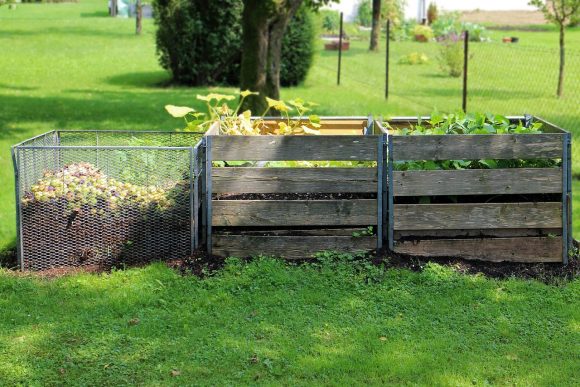
Choosing the right location and type of compost bin is crucial for successful home composting. First, find a spot that’s easily accessible yet out of the way – a corner in your backyard or garden works well.
Ensure it’s a place with good air circulation and some shade to prevent the compost from drying out too quickly. When it comes to selecting a compost bin, consider the size of your garden and the amount of organic waste you generate.
There are various types available, from simple open bins to more sophisticated tumblers. Once you have your bin, set it up by layering dry and green materials.
Start with a layer of twigs or straw at the bottom for drainage and aeration, followed by alternating layers of green (kitchen scraps, grass clippings) and brown (dry leaves, cardboard) materials. This setup encourages efficient breakdown of organic matter, setting the stage for effective composting.
What Can and Can’t Be Composted
Understanding what goes into your compost bin is crucial for a successful composting process. You can compost a wide range of organic materials. This includes most kitchen scraps like fruit and vegetable peels, coffee grounds, and eggshells.
Yard waste such as grass clippings, leaves, and small branches are also great additions. However, it’s important to avoid certain items. Meat, dairy products, and oily foods should not be composted as they can create odor problems and attract pests.
Similarly, treated wood, diseased plants, and pet wastes are best left out of your compost bin to avoid contaminating your compost with harmful chemicals or pathogens. By sticking to the right mix of compostable materials, you’ll ensure your compost is healthy and effective for your garden.
Using Compostable Bags in Composting
Compostable bags, like those offered by Biotuff, offer a clean and convenient solution for managing kitchen waste destined for composting. These bags are designed to break down in compost conditions, aligning perfectly with eco-friendly practices.
They simplify the process of collecting kitchen scraps without the mess typically associated with compost bins.
Incorporating compostable bags into your home composting system is straightforward. Simply use these bags to collect your kitchen scraps, including fruit and vegetable peels, coffee grounds, and other compostable materials.
When the bag is full, you can transfer it directly into your compost bin. The bags will degrade over time, integrating with the composting material. This method not only keeps your compost bin cleaner but also aids in maintaining a balanced compost mix, essential for effective decomposition.
Harvesting and Using Your Compost
Knowing when your compost is ready is key to reaping its benefits. Typically, compost is ready when it’s dark, crumbly, and has an earthy smell – this process can take anywhere from a few months to a year.
To harvest, simply sift through your compost bin, removing any large, uncomposted pieces and returning them to the bin for further breakdown. Using your compost is straightforward and rewarding. It’s an excellent soil amendment for gardens and potted plants.
Mix it into your garden soil to improve its structure and nutrient content, or use it as a top dressing for your lawn. For potted plants, blend the compost with potting soil to give your indoor plants a nutrient boost.
Remember, a little goes a long way – you don’t need a lot of compost to see significant benefits in your plants’ health and growth.
Composting in Different Living Situations
Composting is adaptable to various living situations, including apartments and homes with limited outdoor space. For those in smaller residences, compact compost bins designed for indoor use are an excellent choice. These bins can fit conveniently in a kitchen corner or on a balcony, allowing for easy composting without requiring a large yard.
For individuals without the space for even a small compost bin, community composting presents a viable alternative. Many neighborhoods and cities have community gardens or local composting programs where residents can contribute their organic waste.
This approach not only supports local sustainability efforts but also fosters a sense of community involvement in environmental stewardship. In both scenarios, being mindful of odor and pest control is crucial. Indoor and community composting systems often benefit from a more careful balance of green and brown materials to minimize any potential issues.
By adapting composting practices to fit their living situation, everyone can contribute to waste reduction and soil health improvement, regardless of the size of their living space.
Conclusion
Home composting is a straightforward and impactful way to contribute to environmental health. By following the steps outlined here you can efficiently reduce household waste and create nutrient-rich soil for your garden.
The process not only lessens the burden on landfills but also enhances soil quality, supporting more sustainable gardening practices. Whether you have a spacious backyard or a small apartment, there are composting solutions to suit your living situation.
By embarking on this composting journey, you’re taking a significant step towards a more sustainable lifestyle. Remember, every bit of effort counts in our collective endeavor to nurture a healthier planet.
So, gather your food scraps, set up your bin, and join the growing community of home composters making a difference.
Leave a Reply