


Climate change is the main global issue humanity faces as a species, and it’ll only continue to get worse unless governments and communities come together to do something about it. People’s energy bills are also continuing to rise, meaning that even on a personal level, sustainable practices are something you should be focusing on.
Switching to greener energy solutions helps with both of these issues. While change at the global level is crucial for the goal to reach net zero, individual efforts in reducing the amount of energy used by switching to green methods are also an important component; and by adopting greener technology, you’ll likely experience large savings on your utility bills.
It’s a win-win, and in this article, you’ll learn about the best technologies you can invest in today that’ll help you reap these benefits.
1. Solar Panels
Starting with one of the biggest green improvements you can make to your home, there’s solar panel installation.
Solar panels are placed on your roof and harness the sun’s energy to help power your home electrics. While they used to be far too expensive to be worth it for most people, they’re now much more affordable, and most households experience a significant reduction in their bills (and a reduced overall carbon footprint).

2. LED Lighting
Basic practices like switching lights off when they’re not in use will always have a sizable impact on your energy bills, but the type of lighting matters, too.
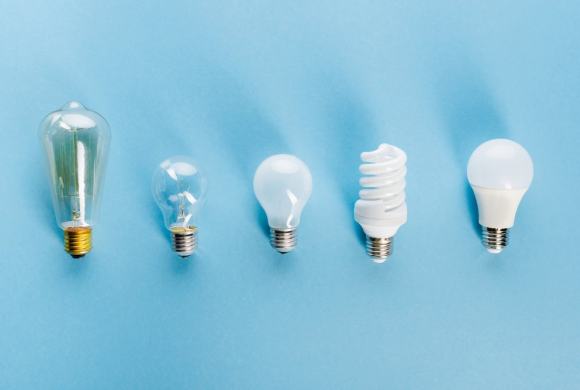
LED (Light Emitting Diode) bulbs use about 75% less energy than traditional incandescent bulbs, and you’ll experience a cost saving simply from how less frequently they need to be replaced.
They can also be much more versatile. Go with systems like Yee Light or Philips Hue, and you can automate your entire home with color-changing bulbs that you control through your smartphone. You can also integrate LED strip lighting with both systems to augment these effects further.
3. Energy Efficient Appliances
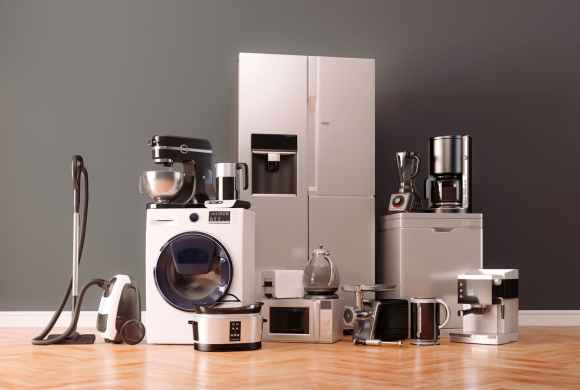
One element many people neglect to consider is the impact of their appliances. Big machines like fridges, washing machines, and clothes dryers can use a huge amount of energy, and when you have two, three, or more of these appliances running at once, things add up to make for a hefty bill.
The most important thing to consider when it comes to home appliances is age. Older appliances are usually far less energy efficient than their modern-day counterparts. For example, an old washing machine with half the capacity may actually be less efficient than a much larger newer model.
When you’re buying a new appliance, always check for the Energy Star certification, as that way, you know that energy efficiency was a key priority when it was designed and manufactured.
4. Energy Efficient Windows
Your windows are an important factor when it comes to energy efficiency: any areas where your home isn’t at least double-glazed can result in significant heat loss (as well as an increased risk of break-ins), and even if your entire home is double-glazed, efficiency degrades over time.
Therefore, it’s a good idea to periodically check the current state of each of the windows in your home. If it’s been a long time since they were replaced, having new, energy-efficient triple-glazed windows installed can make a big difference. It’s a large investment, but you’ll experience the benefits for years.
5. Home Battery Storage Systems
You can increase the effectiveness of solar panels by utilizing home battery storage systems. Some solar panel systems integrate batteries as part of the package, but many don’t; battery storage allows you to store excess energy generated by your solar panels and other green tech so that you can use it later.
This means nothing goes to waste, and in the event of total power cuts, you’ll always have backup energy available.

6. Green Roofs
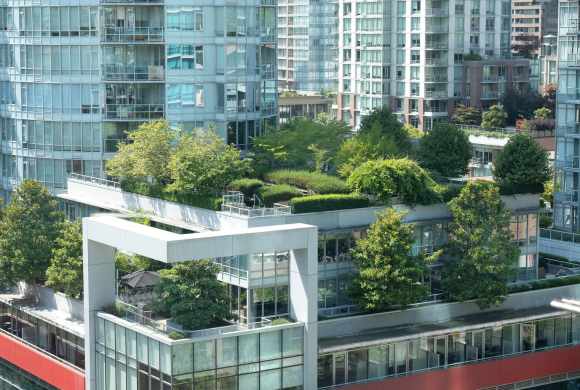
A green roof is a roof of a building that’s essentially been covered with plant matter. This both offers a uniquely appealing aesthetic as well as numerous sustainability benefits, such as better insulation and water management; they comprise several different layers that work to reduce heat loss from your home, and given their ability to absorb water during heavy rainfall or storms, they’re able to mitigate the sort of damage you might experience with standard roofing.
7. Smart Thermostats
Smart thermostats have drastically improved people’s ability to control how much energy they use. They cleverly learn to adjust your heating and cooling based on your usual preferences and adapt automatically to optimize your home sustainably.
These devices make it easy to finetune your requirements to something conducive to lower bills and a reduced carbon footprint, and most models enable you to control everything from an intuitive app on your smartphone.
8. Geothermal Heating and Cooling
Geothermal heating and cooling systems are one of the most exciting innovations to come about in recent times. They involve special heat pumps that use the natural underground temperature to heat and cool your home, and a big benefit is they don’t require much maintenance.
The only downside is that they’re expensive. The pumps themselves can cost upwards of 12-14k, and that’s before labor and other associated installation costs. That said, if you can afford the investment, it’s more than worth it for the savings you can expect to experience over time.

9. Rainwater Harvesting
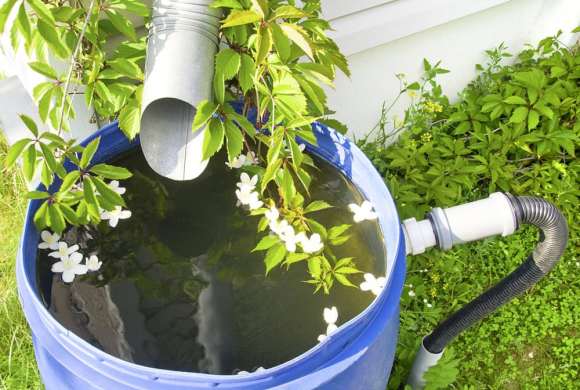
Rainwater harvesting systems can range from very simple to very complex, and each type has its benefits. At their core, they each offer the same utility: collecting rainwater for use with any home process that doesn’t involve washing or drinking.
Take a look at this Pinterest board for some inspiration.
10. Smart Water Heaters
Old-school water tanks are known for wasting a lot of energy, so if you use one, it can be advantageous to switch to a smart tank instead.
As opposed to being a binary ‘on/off’ system, smart water heaters have advanced scheduling features that allow you to control when and how your water is heated via an app or hardware smart controls. They also offer other key safety features that aren’t present on basic systems, such as alerting the user when servicing is due and even having the capacity to detect small leaks that would otherwise have gone unnoticed.

11. Smart Power Strips
One small but impactful change you can make is to switch to using smart power strips for your electronic devices. Many electronics continue to draw power even after you’ve turned them off, meaning that energy can still be wasted. Smart power strips resolve this issue by detecting any current being passed through and cutting the power completely.
As is the case with most smart devices, smart power strips usually have the ability to integrate with your smartphone via an app, offering further insight into how power is being managed.
12. Greywater Recycling Systems
Grey water is defined as any wastewater from sinks, showers, baths, or appliance waste (but not toilet water), and rather than simply getting rid, you can use a greywater recycling system to repurpose it. Many different types of recycling protocols exist, allowing you to use grey water for things like toilet flushing and garden watering once it’s been properly filtered.
Any way you can reduce your water consumption, even by a small amount, can make a significant difference, so making efforts to repurpose grey water is always a good idea.
Wrapping Up: A Few Final Tips
Hopefully, the above list has inspired you to make some key changes to your home for the benefit of both you and the health of the planet. To close off with, here are a few extra tips:
Conduct an Energy Audit
Before you make efforts to change, it’s a good idea to conduct an energy audit. Have a professional visit your home and assess it for the major culprits of energy waste, and base your decisions on that data.
Start Small
As you can see, there are many potential strategies for making your home more sustainable – but don’t bite off more than you can chew. Start with the smaller stuff like LED bulbs and smart power strips, and build up to the larger investments like solar panels.
Stay Informed
Sustainable science is changing all the time, so to ensure you stay on top of things and are using the best methods possible, subscribe to YouTube channels with an environmental focus or read magazines, newsletters, and articles to stay in the loop.
Use Eco-Friendly Materials When Renovating
If you decide to renovate, try to choose eco-friendly materials such as recycled roof shingles or bamboo flooring. No matter what part of the home you’re decorating, there are always ways to reduce the impact it has on the environment – even if it’s only in a minor way.
Engage with the Local Community
And finally, don’t forget about the importance of getting involved at the community level. Sustainability efforts work best when people come together, so participate in community garden efforts and clean-up programs to meet new people who share the same values.
Leave a Reply