

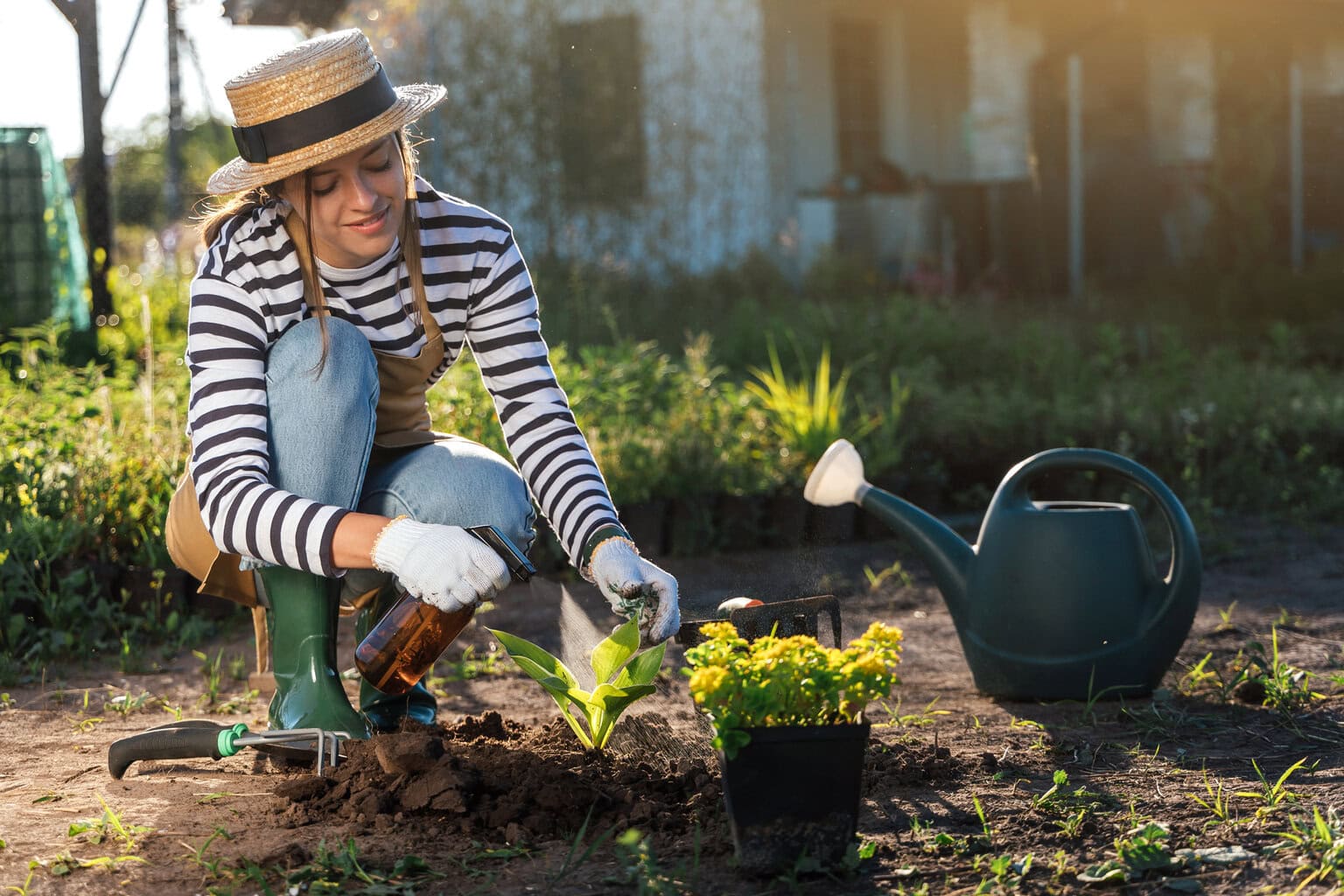
Sustainable gardening is more than just growing plants; it’s a way to nurture the earth while creating your green space. Due to rising concerns about climate change and environmental health, sustainable gardening is a practical way to make a positive impact.
Whether you’re a seasoned gardener or a beginner, adopting sustainable practices can transform your garden into a thriving, eco-friendly oasis.
So, if you are wondering how to get started with sustainable gardening, here’s everything you need to know.
What Is Sustainable Gardening?
Sustainable gardening focuses on working with nature and not against it. It’s about creating a garden that is self-sufficient, minimizes waste, and supports local ecosystems.
This approach uses techniques that conserve resources, reduce pollution, and protect biodiversity, making your gardening efforts good for both your home and the planet.

Why Choose Sustainable Gardening?
- Eco-Friendly Impact: Sustainable gardens reduce your carbon footprint by using fewer chemical fertilizers and pesticides.
- Healthier Food: If you grow vegetables, sustainable methods ensure your produce is free of harmful chemicals.
- Cost-Effective: By conserving water, composting, and growing your own plants, you can save money in the long run.
- Biodiversity Support: Sustainable gardens attract pollinators like bees and butterflies, contributing to a healthier ecosystem.
How to Get Started with Sustainable Gardening
1. Assess Your Space
Start by evaluating your gardening area. Whether you have a large backyard or a tiny balcony, sustainable gardening is adaptable. Make sure to take note of:
- Sunlight: Understand which areas get the most sun or shade.
- Soil Quality: Test your soil to determine its pH and nutrient levels.
- Water Availability: Consider how you’ll water your garden efficiently.
By understanding your space, you can choose the right plants and strategies to make your garden thrive sustainably.

2. Choose Native Plants
Native plants are the most important part of sustainable gardening. These plants are naturally adapted to your local climate, making them easier to grow and maintain without excessive watering or fertilizers. They also provide food and shelter for local wildlife.
To find the best native plants for your region, visit a local nursery or consult online resources tailored to your area.
3. Consider Permaculture Design
Permaculture design is a holistic approach to sustainable gardening that focuses on creating self-sufficient ecosystems. By mimicking natural processes, you can design a garden that thrives with minimal intervention.
- Plan Efficiently: Group plants with similar water and sunlight needs to reduce waste.
- Use Companion Planting: Pair plants that benefit each other, like marigolds, with tomatoes to deter pests.
- Incorporate Perennials: Perennial plants provide long-term yields, reducing the need for replanting every season.
Permaculture landscaping increases productivity and creates a harmonious environment that supports biodiversity and conserves resources. It’s nature-inspired gardening at its best.
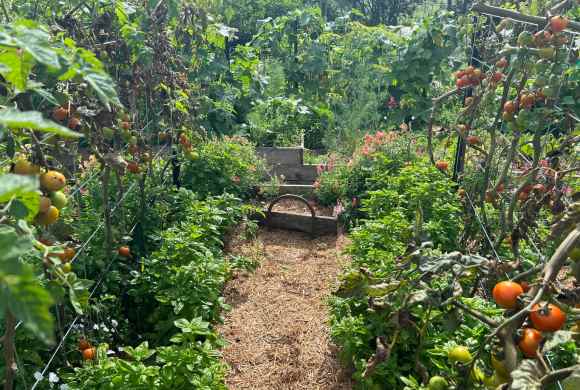
4. Composting: Turn Waste into Gold
Composting is one of the simplest ways to practice sustainable gardening. It involves turning organic waste—like kitchen scraps, yard clippings, and fallen leaves—into nutrient-rich soil.
- Start a Compost Bin: Choose a bin or a corner of your garden to collect compostable materials.
- Know What to Compost: Include fruit and vegetable scraps, coffee grounds, eggshells, and yard waste. Avoid meat, dairy, and processed foods.
- Turn Regularly: Aerating the compost helps it break down faster.
Compost enriches your soil, reduces landfill waste, and saves you money on fertilizers.
5. Conserve Water
Water is a precious resource, and sustainable gardening emphasizes using it wisely.
- Install a Rain Barrel: Collect rainwater to use for your plants.
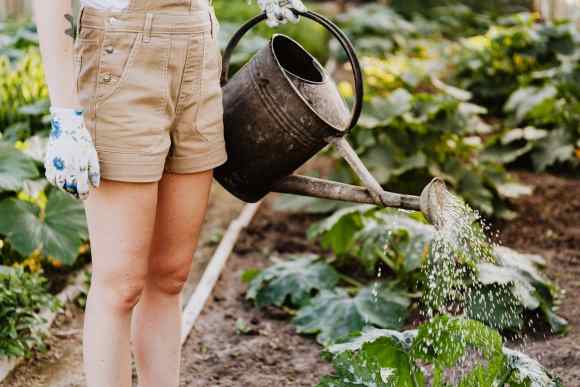
- Water Efficiently: Water early in the morning or late in the evening to minimize evaporation.
- Use Mulch: Adding a layer of mulch around plants retains soil moisture and reduces the need for frequent watering.
Small changes in how you use water can make a big difference in your garden’s sustainability.
6. Ditch Chemical Fertilizers and Pesticides
Traditional gardening often relies on synthetic fertilizers and pesticides, which can harm the environment and local wildlife. Instead, opt for natural alternatives:
- Natural Fertilizers: Use compost, manure, or bone meal to nourish your plants.
- Organic Pest Control: Introduce beneficial insects like ladybugs or use homemade sprays made from garlic or neem oil to deter pests.
These alternatives are safer for the environment and help maintain a balanced ecosystem in your garden.
7. Practice Crop Rotation
If you’re growing vegetables, crop rotation is a game-changer for soil health. It involves planting different crops in the same area each season to prevent nutrient depletion and reduce the risk of pests and diseases.
For example:
- Plant tomatoes one season and beans the next, as beans add nitrogen to the soil.
- Follow root crops like carrots with leafy greens like lettuce.
Crop rotation mimics nature’s diversity, ensuring your soil stays fertile and productive.
7. Encourage Pollinators
Pollinators like bees, butterflies, and birds are essential for a thriving garden. To attract them, you can:
- Plant Flowers: Grow a variety of flowering plants that bloom throughout the year.
- Avoid Pesticides: Many pesticides harm pollinators, so choose organic methods instead.
- Provide Shelter: Add bee hotels or birdhouses to give them a safe place to rest.
Creating a pollinator-friendly environment not only benefits your garden but also supports local ecosystems.
8. Use Recycled Materials
Sustainable gardening also extends to the materials you use. Instead of buying new, think creatively about repurposing what you already have:
- Old Containers: Turn buckets, cans, or broken pots into planters.
- DIY Trellises: Use old ladders or branches to support climbing plants.
- Reclaimed Wood: Build raised garden beds or compost bins with recycled wood.
This approach reduces waste and gives your garden a unique, personal touch.
In the End…
Starting a sustainable garden might feel difficult initially, but it’s easier than you think. By making small, mindful changes, you can create a garden that thrives while respecting the environment.
Not only will you reduce your ecological footprint, but you’ll also enjoy a beautiful, productive space that reflects your commitment to a healthier planet.
Leave a Reply